Private Equity in Your 401(k)? Buffett’s Warning Echoes as Half of Workers Want In
TREE NEWS reports: A new survey reveals that about 52% of people with a workplace retirement plan would invest in private assets—such as private equity, private credit, and real estate—if those options were available in their company’s 401(k). The finding comes as policymakers and asset managers push to broaden access to private markets for everyday investors, a move that could reshape retirement portfolios but also raises concerns about liquidity, fees, and valuation transparency.
The survey underscores a growing appetite for alternatives beyond traditional stocks and bonds. With public markets offering thinner returns and higher volatility in recent years, private assets have gained allure for their potential to deliver higher yields and diversification. Yet the push to include these illiquid, often opaque investments in 401(k) plans has drawn scrutiny from regulators and veteran investors alike.
Buffett’s Longstanding Caution
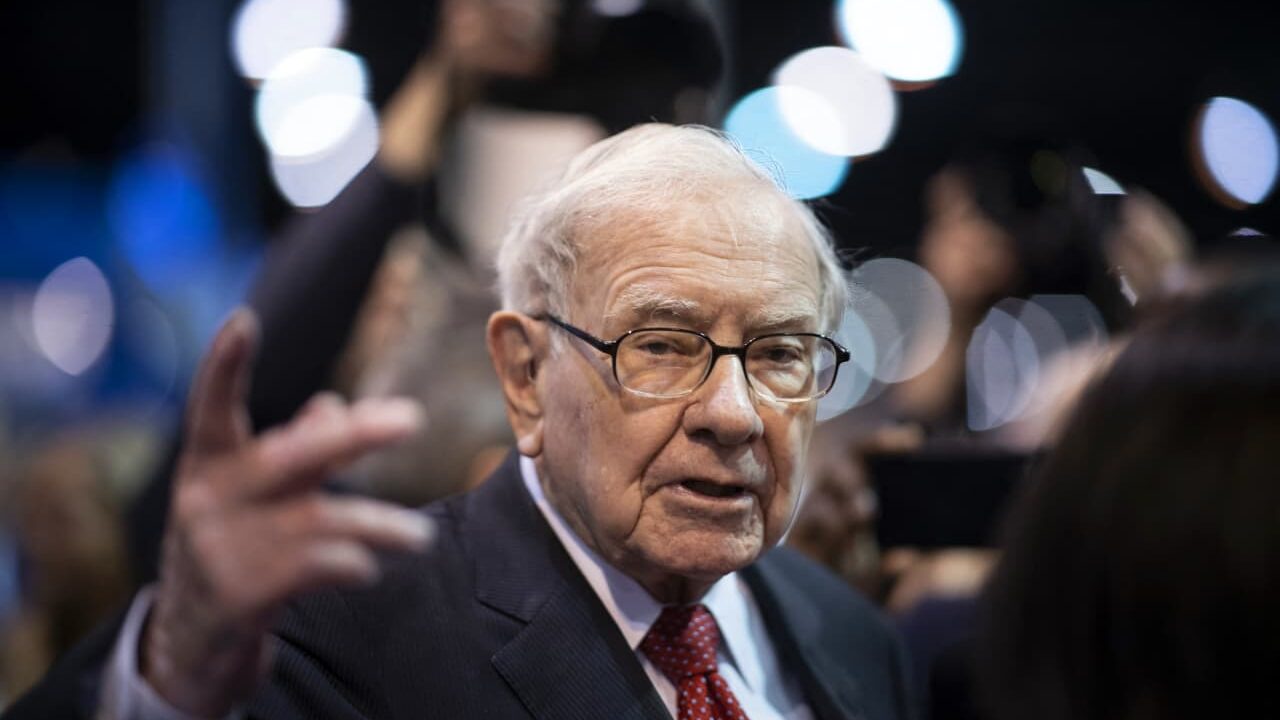
Warren Buffett has repeatedly warned about the dangers of complex financial products and excessive fees, particularly in retirement accounts. While Buffett has not specifically commented on private equity in 401(k)s, his broader philosophy—favoring simple, low-cost index funds for most investors—clashes with the trend toward alternative assets. He has cautioned that Wall Street often sells products that are good for the seller, not the buyer. Private equity’s high fee structures (often “2 and 20”) and illiquid nature would likely give him pause, especially for rank-and-file retirement savers who may not fully understand the risks.
Market Implications
If private assets become a staple in 401(k) plans, the flows could be enormous. Retirement assets in the U.S. exceed $35 trillion, and even a small allocation shift could funnel hundreds of billions into private equity and private credit funds. That would benefit alternative asset managers like Blackstone, KKR, and Apollo, potentially boosting their stocks. However, it could also siphon demand from public equities and bonds, pressuring valuations in those markets.
For bonds, the impact is less direct but still meaningful. Private credit funds often compete with traditional fixed-income investments, and increased demand for private loans could tighten credit spreads and alter lending dynamics. Commodities and crypto are less likely to be directly affected, though broader portfolio diversification trends could marginally influence flows.
Currency markets would see minimal immediate impact, but a shift toward U.S.-centric private assets could support the dollar if foreign investors increase allocations to American retirement products.
Key Takeaways for Investors
- Understand liquidity risks: Private assets lock up capital for years. Ensure you have adequate emergency savings and liquidity before considering them.
- Watch fees: High fees can erode returns over time. Compare net-of-fee performance against low-cost index funds.
- Valuation opacity: Private assets are not marked to market daily, which can smooth returns but also obscure true risk.
- Regulatory developments: Keep an eye on Department of Labor guidance and any rule changes that could allow or restrict private equity in 401(k)s.
- Diversification, not concentration: If you do invest, limit exposure to a small portion of your portfolio.
The debate over private equity in 401(k)s is far from over. While demand from savers is evident, the lessons from past financial innovations—and Buffett’s enduring warning—suggest that caution and education should come first.