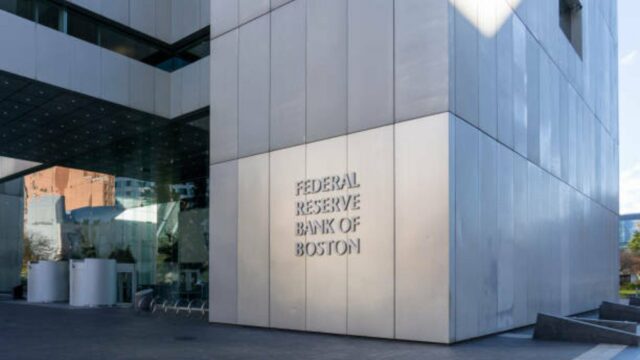
Fed Officials Clash Over Transparency as Warsh Pushes for Less Talk, Others Seek More
TREE NEWS reports: Two Federal Reserve officials are calling for greater transparency in monetary policy communication, even as former Fed governor Kevin Warsh argues the central bank should say less. The debate over how much the Fed should telegraph its intentions comes as officials signal that more interest-rate hikes may be needed to combat persistent inflation.
The push for more transparency reflects concerns that unclear communication can amplify market volatility. Officials who favor speaking more openly believe that providing clearer guidance on the Fed’s reaction function—how it will respond to incoming data—can help markets price risk more accurately and reduce uncertainty. They argue that in a period of elevated inflation and shifting economic data, investors need more, not less, information about the Fed’s thinking.
Warsh, a former Fed governor and a potential candidate for Fed chair under a future Republican administration, has advocated for the Fed to reduce its public commentary. He argues that excessive communication can confuse markets and that the Fed should focus on its mandate rather than managing market expectations. His view aligns with a long-standing critique that the Fed’s forward guidance has sometimes boxed the central bank into policy corners.
Market Implications
The debate over Fed communication comes at a critical juncture for markets. With inflation remaining above target, the possibility of further rate hikes has significant implications across asset classes:
- Stocks: Equity markets are sensitive to rate expectations. More transparency could reduce uncertainty but also confirm a tighter policy path, potentially pressuring growth stocks and rate-sensitive sectors like technology and real estate. Conversely, if clearer communication signals a peak in rates, equities could rally.
- Bonds: Treasury yields will react to any shift in the perceived policy path. Greater clarity on the Fed’s reaction function could stabilize yields, but if officials signal more hikes, bond prices may fall, pushing yields higher.
- Crypto: Digital assets have become increasingly correlated with macro liquidity conditions. A more hawkish Fed stance could weigh on crypto prices, while any hint of a pause or pivot could support risk assets, including bitcoin and ether.
- Commodities: A stronger dollar and higher rates typically pressure commodity prices, though supply-side factors remain dominant. Gold, as a non-yielding asset, could struggle if real rates rise further.
- Currencies: The dollar could strengthen if the Fed signals a tighter policy path than other major central banks. Communication clarity may reduce volatility in currency markets, but divergent policy expectations could still drive sharp moves.
Why This Matters for Investors
The Fed’s communication strategy is not just an internal governance issue—it directly affects how investors price risk. In an environment where every data release can move markets, the clarity and consistency of Fed messaging can either calm or amplify volatility. Investors should monitor not only the substance of policy decisions but also how officials frame them. A shift toward more transparency could lead to more predictable markets, but it may also reveal a more hawkish consensus than currently priced. Conversely, if the Fed adopts a quieter approach, markets may rely more on data and less on guidance, potentially increasing short-term volatility.
For portfolio positioning, this suggests maintaining a balanced approach: duration exposure in bonds should be managed carefully, equity allocations should favor quality and cash-flow stability, and crypto exposure should be sized with an eye on macro liquidity. The debate over transparency is ultimately about uncertainty—and in markets, uncertainty is a cost that investors must price.
Key Takeaways
- Fed officials are divided on how much to communicate, with some pushing for more transparency and others, like Kevin Warsh, arguing for less.
- The debate occurs as officials signal more rate hikes may be needed to fight inflation.
- Markets across stocks, bonds, crypto, commodities, and currencies could be affected by changes in Fed communication and policy expectations.
- Investors should focus on the Fed’s reaction function and adjust portfolio risk accordingly.