Fed’s Collins Backs Gradual Rate Hikes, Signals Caution on Inflation Fight
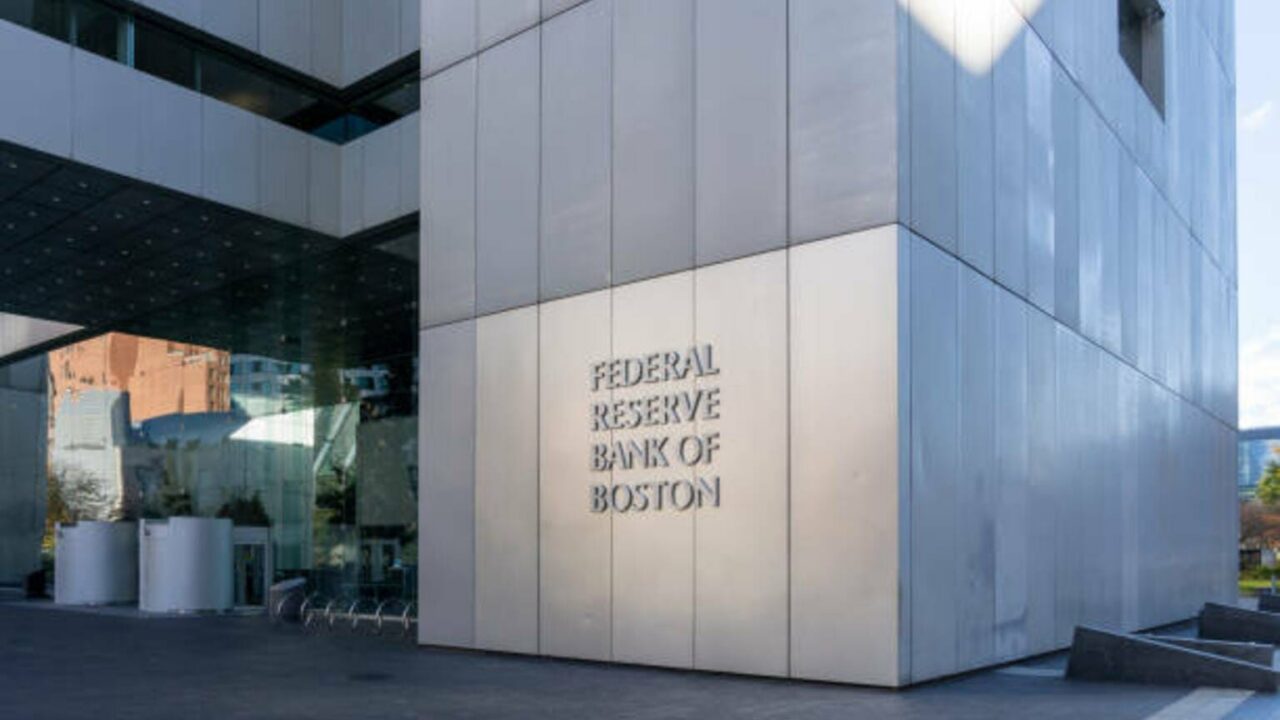
TREE NEWS reports: Boston Federal Reserve President Susan Collins said on Thursday that a “gradual path” of interest rate increases is the best approach for the U.S. economy, emphasizing the need to balance the risks of overtightening against the dangers of persistent inflation. In remarks prepared for an event, Collins noted that while the labor market remains strong and inflation has moderated, it is still above the Fed’s 2% target, warranting a measured approach to further policy tightening.
What Happened
Collins, a voting member of the Federal Open Market Committee (FOMC) this year, advocated for a steady, data-dependent strategy rather than aggressive moves. She highlighted that the economy has shown resilience, but the full effects of past rate hikes are still working through the system. Her comments come amid heightened market speculation about the Fed’s next steps, with investors parsing every signal for clues on the trajectory of monetary policy.
Market Implications
The prospect of a gradual rate hike path could have mixed effects across asset classes:
- Stocks: A slower pace of tightening may be welcomed by equity markets, particularly growth and tech stocks that are sensitive to interest rates. However, if inflation remains sticky, the Fed may need to keep rates higher for longer, which could cap upside. Investors should watch for sector rotation as rate expectations shift.
- Bonds: Treasury yields may see modest upward pressure if gradual hikes continue, but the lack of aggressive action could provide some stability. The yield curve’s shape will be key to watch for recession signals.
- Crypto: Digital assets, often viewed as risk-on investments, could benefit from a less hawkish Fed. Bitcoin and other cryptocurrencies have shown sensitivity to monetary policy, and a gradual approach might reduce volatility while supporting prices.
- Commodities: A steady rate path could support commodity prices if economic growth remains stable, but a stronger dollar—if rate hikes continue—could weigh on dollar-denominated commodities like oil and gold.
- Currencies: The dollar may strengthen gradually if U.S. rates rise relative to other economies, but the pace will determine the magnitude. Forex markets will react to any divergence in central bank policies.
Why This Matters for Investors
Collins’ comments underscore the Fed’s delicate balancing act: fighting inflation without derailing the economy. For investors, this means staying attuned to economic data and Fed communications, as the path of rates will influence portfolio allocations. A gradual approach may reduce the risk of sudden market shocks but also implies that volatility could persist as uncertainties remain. Diversification across asset classes and a focus on quality remain prudent strategies in this environment.
Key Takeaways
- Fed’s Collins favors a gradual pace of rate hikes to manage inflation risks.
- Markets may see reduced volatility but continued sensitivity to data.
- Investors should monitor sector rotation, yield curves, and dollar trends.
- Long-term portfolios should be positioned for a higher-for-longer rate environment.