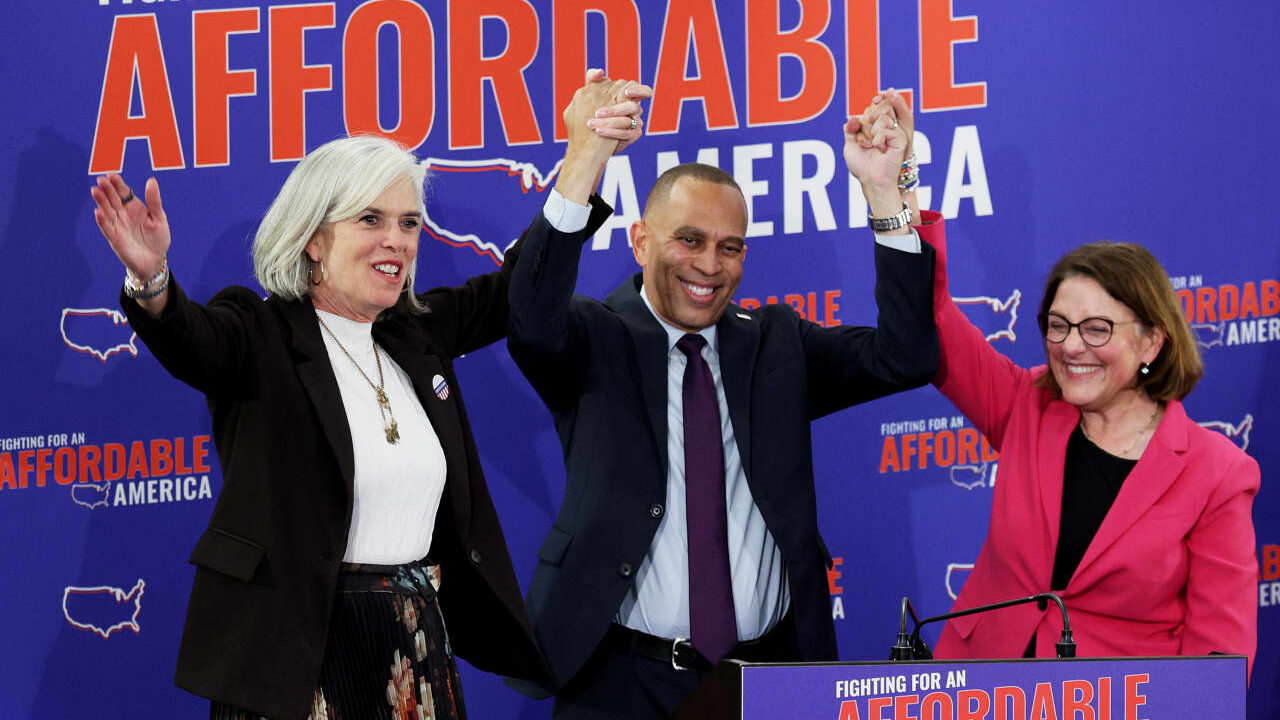
Democrats Sweep House and Senate: What Divided Government 2.0 Means for Markets
TREE NEWS reports: Democrats have won control of both the House and the Senate in the U.S. midterm elections. The outcome ends two years of unified Republican control in Washington and ushers in a new era of divided government, with Democrats holding Congress and a Republican in the White House. For investors, the shift is less about any single policy and more about the gridlock it implies: sweeping tax or spending legislation becomes far less likely, while oversight and investigations ramp up.
What Happened
The midterm results give Democrats narrow majorities in both chambers. The party will set the legislative agenda, control committee gavels, and have the power to block or reshape the president’s priorities. However, with a Republican president wielding veto power, major ideological legislation is unlikely to become law. The practical result is a status quo bias: existing tax rates, spending levels, and regulatory frameworks are more likely to persist, with changes coming at the margins through agency rulemaking and the annual appropriations process.
Market Implications
Stocks
Equities have historically performed well under divided government, as policy uncertainty declines and the most extreme proposals from either party are neutralized. Sectors that benefit from gridlock—such as defense, which relies on bipartisan support, and healthcare, where drug pricing reform becomes harder to pass—may see relief. Conversely, sectors that had priced in Republican-led deregulation, such as energy and financials, could face headwinds as Democratic committee chairs push for stricter oversight. Clean energy names may benefit from continued Democratic control of the Senate, though sweeping new subsidies are unlikely.
Bonds
The biggest macro takeaway is fiscal policy. Divided government reduces the probability of large new deficit-financed tax cuts or spending packages, which could modestly ease upward pressure on long-term Treasury yields. However, the debt ceiling and budget battles remain a risk, and any standoff could spark volatility in short-term funding markets. Overall, the bond market may view the outcome as mildly constructive for duration, but the trajectory of Federal Reserve policy remains the dominant driver.
Crypto
For digital assets, a Democratic-controlled Congress is a mixed bag. On one hand, Democratic leaders have shown interest in crafting a regulatory framework for crypto, which could provide clarity that institutional investors crave. On the other, key Democratic lawmakers have been skeptical of the industry, and aggressive oversight of exchanges and stablecoin issuers is likely. The Senate Banking Committee, now under Democratic control, may push for stricter consumer protections and capital requirements. Expect more hearings and potential legislation on stablecoins and market structure, but also a tougher stance on enforcement.
Commodities and Currencies
A divided government is generally dollar-neutral, but reduced fiscal stimulus could modestly support the greenback by lowering the growth and inflation premium. Commodities may see muted reactions, though energy policy gridlock means no major new restrictions on fossil fuel production, which could keep oil prices range-bound. Gold, often a hedge against policy uncertainty, may find little new catalyst.
Key Takeaways for Investors
- Gridlock is the baseline: Position for policy stability rather than dramatic change. Focus on companies with earnings driven by fundamentals, not government subsidies or tax breaks.
- Watch the committees: Democratic committee chairs will ramp up oversight of banks, tech, and crypto. Regulatory headlines could create volatility in specific names.
- Fiscal restraint is bond-friendly: Reduced deficit spending may cap long-term yields, but the Fed remains the main event.
- Crypto regulation is coming: Clarity may be positive long-term, but enforcement risk is elevated. Expect more rules, not less.
- Don’t overreact: Markets have priced in divided government. The bigger risks remain inflation, Fed policy, and global growth.