Pentagon Expands National Guard Role in Washington, Blurring Lines Between Military and Law Enforcement
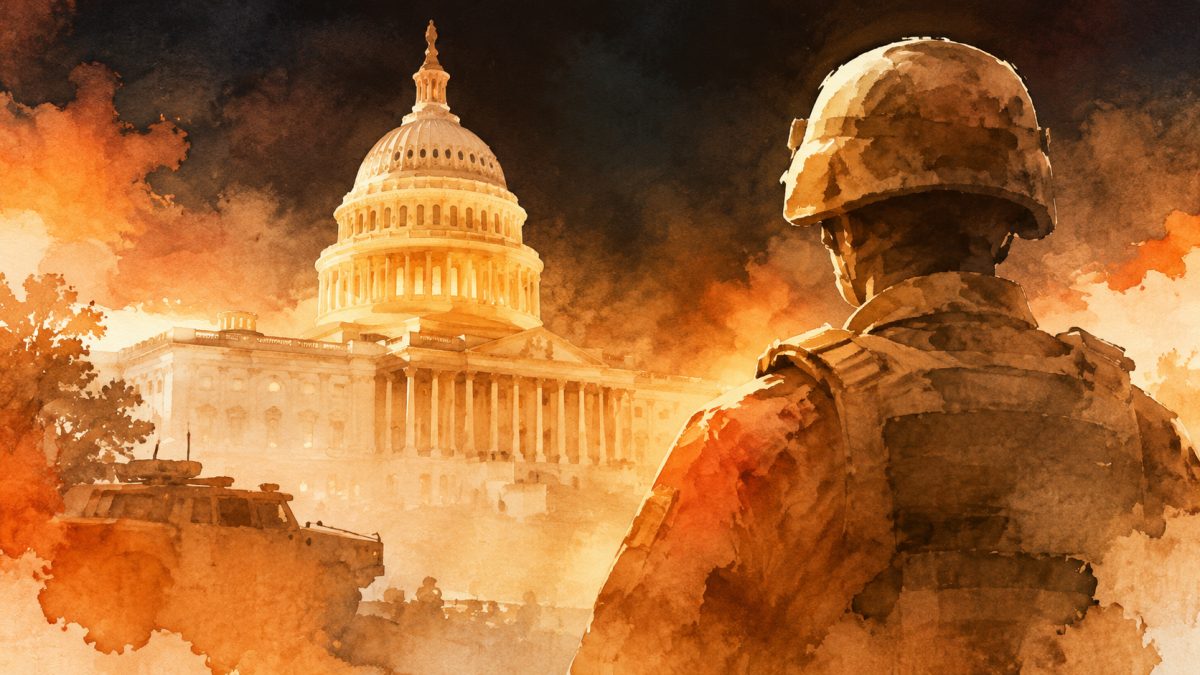
TREE NEWS reports: Defense Secretary Pete Hegseth has authorized the National Guard in Washington, D.C. to use boats, dozens of police-marked vehicles, Humvees, and light and medium tactical vehicles. The move significantly expands the military’s presence in the nation’s capital and allows the Guard to assist local and federal law enforcement in operations targeting drug trafficking and gang activity. However, Guard personnel are still prohibited from independently pursuing suspects or making arrests.
The new equipment arrangement will last until the end of 2026, while the overall deployment is expected to continue until January 20, 2029, the next presidential inauguration. The deployment, which at its peak this summer reached about 5,000 troops from 20 states and Puerto Rico, has been extended multiple times since it began in August 2025 when President Trump declared a “crime emergency” in the capital.
Market Implications
While this story is primarily political and domestic in nature, it carries several implications for financial markets:
- Policy Uncertainty and Risk Sentiment: The expansion of military involvement in domestic law enforcement, particularly in the capital, adds to the broader climate of political polarization and institutional uncertainty. Markets generally dislike uncertainty, and this could contribute to mild risk aversion, especially if it escalates into legal challenges or political confrontations.
- Fiscal Costs: The Pentagon estimates the deployment will cost an additional $1.4 billion through the end of 2028. While this is a small fraction of the federal budget, it adds to government spending at a time when fiscal deficits are already under scrutiny. This could have minor implications for Treasury yields if it contributes to concerns about fiscal discipline, though the impact is likely negligible.
- Municipal Bonds: Washington, D.C. municipal bonds could see some volatility if the federal-local tension escalates, particularly with the incoming mayor Janice Lewis George, who has clashed with the administration. However, the federal district’s finances are closely tied to the federal government, so the risk is contained.
- Defense and Security Sectors: Companies involved in tactical vehicles, security equipment, and law enforcement technology could see marginal benefits from increased spending on such equipment, but the scale is too small to move major defense stocks.
- Cryptocurrencies: No direct impact, but if political instability rises, crypto could see safe-haven demand, though this is a stretch.
- Currencies: The U.S. dollar is unlikely to react to this domestic political development unless it escalates into a constitutional crisis.
Why It Matters for Investors
This development is part of a broader trend of increasing federal intervention in local affairs and the militarization of domestic policing. For investors, the key takeaway is that political risk in the U.S. is rising, which could lead to increased volatility in markets sensitive to policy shifts. Sectors such as defense, security, and municipal bonds may see localized effects, but the overall market impact is likely to be limited unless the situation escalates. Investors should monitor for legal challenges, congressional hearings, and potential fiscal implications, but should not overreact to this single event.
Key Takeaways
- The Pentagon is expanding the National Guard’s equipment and role in Washington, D.C., blurring the line between military and law enforcement.
- The deployment will cost an estimated $1.4 billion through 2028, adding to federal spending.
- Market impact is likely to be limited, but political uncertainty and fiscal costs bear watching.
- Defense and security sectors could see marginal benefits; municipal bonds may face volatility.
- Investors should focus on broader policy and fiscal trends rather than this isolated event.