Russia’s Crypto U-Turn: From Total Ban to Regulated Embrace
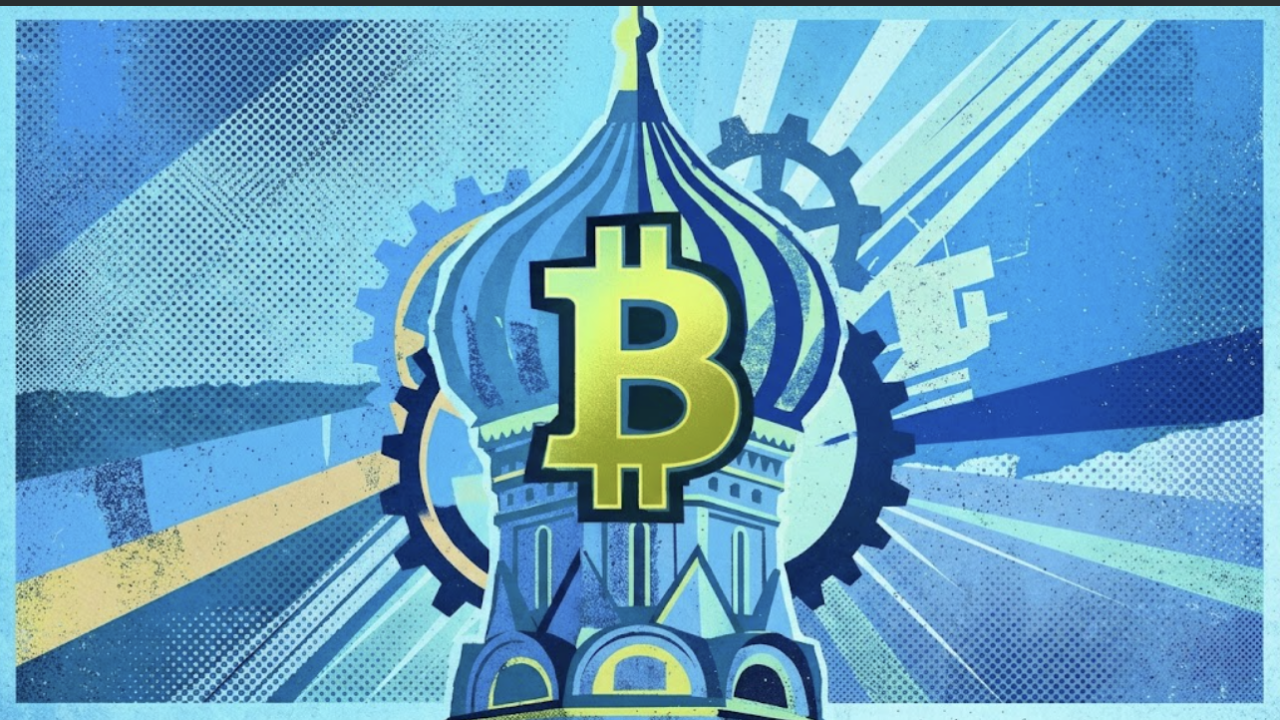
In 2018, employees at the Sarov nuclear research center were caught mining Bitcoin with stolen equipment—a symbol of crypto’s early outlaw status in Russia. By 2024, the country had enacted mining regulations, and by 2026, its first custodial and exchange institutions are expected to enter the central bank’s registry. This dramatic shift from prohibition to regulated acceptance reflects a long tug-of-war between the Central Bank of Russia and the Ministry of Finance, compounded by mounting sanctions pressure.
The Path to Regulation
Russia’s journey has been anything but linear. For years, the central bank advocated a hard line against cryptocurrencies, citing financial stability and illicit finance risks. The Finance Ministry, however, pushed for legalization to harness innovation and tax revenue. The impasse began to break in 2024 with the passage of a law regulating mining, a sector that had flourished underground, particularly in regions with cheap energy. The legislation established registration requirements and tax obligations for miners, marking the first formal recognition of crypto as an economic activity.
Now, the central bank is preparing to register the first custodial and exchange service providers in 2026. This step will bring crypto trading under the regulatory perimeter, requiring compliance with anti-money laundering (AML) and know-your-customer (KYC) rules. The move is part of a broader strategy to integrate digital assets into the financial system while maintaining oversight.
Sanctions as a Catalyst
Western sanctions have accelerated Russia’s crypto embrace. With traditional payment channels restricted, crypto has emerged as a tool for cross-border trade and capital flows. The government has explored stablecoins and digital asset settlements with trading partners. The central bank’s pilot for a digital ruble also complements this trend, though it remains distinct from decentralized cryptocurrencies.
Industry analysts note that Russia’s regulatory framework is still evolving. The central bank’s registry for custodians and exchanges will likely impose stringent requirements, potentially limiting the number of licensed operators. Yet, the direction is clear: crypto is being brought in from the cold.
Implications for the Market
Russia’s regulated crypto market could become a significant force in Eastern Europe. Licensed exchanges and custodians may attract institutional investors and provide a safer environment for retail users. However, the risk of over-regulation remains, as the central bank retains a cautious stance. The success of the registry will depend on balancing innovation with control.
Globally, Russia’s shift underscores how sanctions and geopolitical pressures can drive crypto adoption. It also highlights the growing normalization of digital assets, even in countries with authoritarian tendencies. As the first registrations approach, the world will watch whether Russia’s model offers a blueprint for others or serves as a cautionary tale.
Looking Ahead
The coming years will test Russia’s regulatory experiment. If the registry functions smoothly and the mining sector matures, Russia could emerge as a crypto hub. But if the central bank’s conservative faction prevails, progress may stall. For now, the trajectory is unmistakable: Russia has moved from banning Bitcoin to building a regulated market—a remarkable transformation in just a decade.