Musk Sets Audacious SpaceX Revenue Target and Chip Ambition
TREE NEWS reports: In a virtual fireside chat at the Baron Investment Conference, Elon Musk outlined a series of aggressive growth targets for SpaceX, xAI, and Starlink, including a projection that SpaceX’s annualized recurring revenue could exceed $500 billion by December of next year, up from an expected $100 billion annualized run rate this December. He also unveiled plans for Terafab, a chip manufacturing facility aiming to produce one terawatt of AI chips annually—roughly 30 times next year’s projected global output.
Key Projections
- SpaceX Revenue: Musk expects SpaceX to reach $100 billion annualized revenue by December 2025 and over $500 billion ARR by December 2026, with a 2% chance of hitting $1 trillion.
- Terafab: A new chip plant in Texas targeting 1 terawatt of AI chip production per year, leveraging rapid iteration and vertical integration to disrupt traditional semiconductor manufacturing.
- Space-Based Compute: Starlink computers co-designed with Nvidia to begin launching in Q3 2027, scaling to significant volume by 2028 and very large scale by 2029.
- Agentic Internet: Musk claims agentic AI traffic already exceeds human traffic and could be 1,000 times larger within five years, driving massive bandwidth demand for Starlink.
These forecasts are part of Musk’s broader vision for AI and space infrastructure, where cheap access to orbit enables cost-effective space-based data centers and global connectivity.
Market Implications
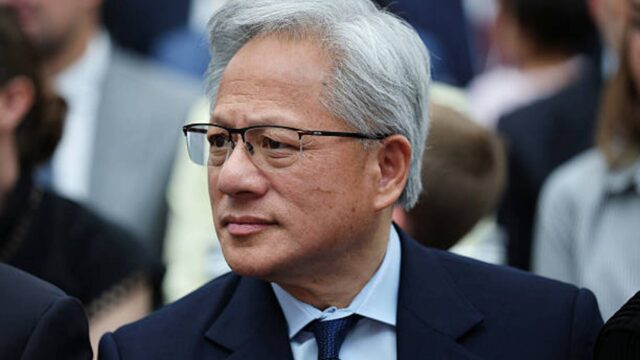
While Musk’s targets are characteristically ambitious, they underscore the accelerating investment in AI infrastructure and space technology. For equity markets, SpaceX remains private, but the news could buoy sentiment around suppliers and partners, such as Nvidia, which is co-designing Starlink computers. Semiconductor stocks may see increased interest in advanced packaging and chiplet technologies as Terafab’s success would require breakthroughs in manufacturing efficiency.
Bond markets could react to the massive capital expenditure implied—Terafab alone might cost over $1 trillion over time—potentially increasing demand for corporate debt from tech giants and aerospace firms. However, near-term impact is limited as SpaceX is not publicly traded.
In commodities, the push for space-based solar power and data centers could lift demand for rare earth metals and specialized materials. Cryptocurrencies, particularly those linked to AI and decentralized compute, might see speculative interest as the narrative of abundant space-based compute gains traction.
Currencies: The dollar could benefit if US-based high-tech manufacturing expands, but the timeline is long and uncertain.
Investor Takeaways
- AI Infrastructure Boom: Musk’s plans reinforce the massive capital flowing into AI compute, benefiting chipmakers, data center REITs, and power infrastructure companies.
- Space Economy: SpaceX’s revenue trajectory, if realized, would make it one of the largest companies globally, with ripple effects across satellite communications, launch services, and space-based manufacturing.
- Semiconductor Disruption: Terafab’s goal to slash manufacturing times from a year to a month could threaten established foundries, but also create opportunities for equipment suppliers and materials innovators.
- Risk Factors: Musk’s forecasts often slip, and regulatory, technical, and financial hurdles remain significant. Investors should treat these as long-term optionality rather than near-term certainties.
Overall, the interview paints a bullish picture for the intersection of AI, space, and advanced manufacturing, but prudent investors will balance enthusiasm with skepticism given the scale of the ambitions.