GLP-1 Drugs Could Save Health System Money—If Priced Below $350 a Month
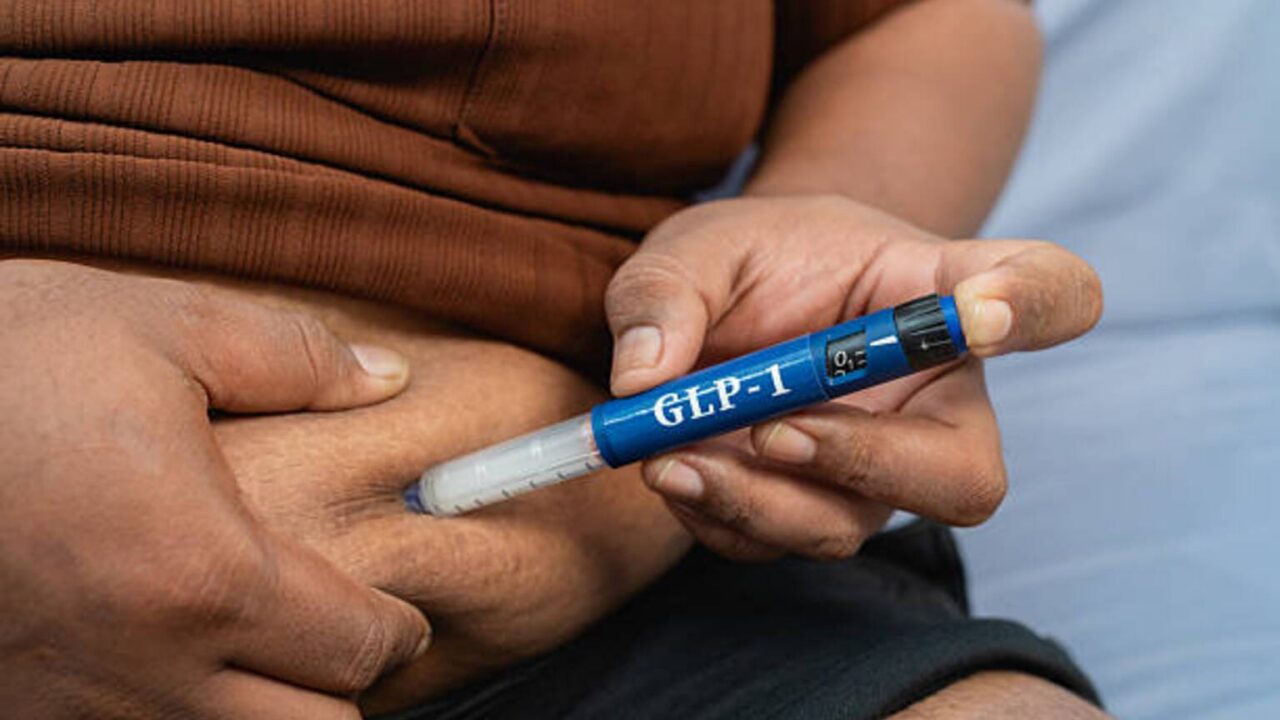
TREE NEWS reports: A new analysis finds that GLP-1 weight-loss drugs, such as Novo Nordisk’s Wegovy and Eli Lilly’s Zepbound, could reduce overall health system spending if their monthly list price falls below $350. The study, which comes amid intense scrutiny over the high cost of these popular treatments, suggests that at that price point, the savings from reduced obesity-related complications would offset the cost of the drugs themselves.
The analysis adds fuel to the ongoing debate over drug pricing in the U.S., where the list price for GLP-1s can exceed $1,000 per month before rebates and discounts. Insurers and employers have been grappling with how to cover these medications without driving up premiums, while drugmakers argue that the drugs deliver value by preventing costly chronic diseases.
Market Implications
For investors, the analysis has significant implications for several sectors:
- Pharmaceutical stocks: Novo Nordisk and Eli Lilly have seen their shares soar on the back of GLP-1 demand. If pricing pressure mounts—whether from government action, insurer pushback, or competitive threats—margins could compress. However, a lower price point could also expand access and volume, potentially offsetting revenue per prescription.
- Health insurers and PBMs: Companies like UnitedHealth, CVS Health, and Cigna could benefit from lower drug costs, which would ease pressure on medical loss ratios. But broader coverage could also increase utilization, raising costs in the near term.
- Medical devices and procedures: Bariatric surgery and other obesity-related interventions could face headwinds as more patients opt for drug therapy. Conversely, makers of continuous glucose monitors and other diabetes-care devices might see mixed effects.
- Consumer staples: The rise of GLP-1s has already rattled food and beverage companies, as users often eat less. A lower price could accelerate adoption, further impacting demand for processed foods and sugary drinks.
Why It Matters for Investors
The GLP-1 market is expected to reach $100 billion or more by the end of the decade, making it one of the most lucrative opportunities in healthcare. However, the pricing debate introduces regulatory and political risk. The Biden administration has pushed to lower drug costs, and the incoming Trump administration has signaled a focus on drug pricing and transparency. Any move toward Medicare price negotiation for GLP-1s—or a shift in insurance coverage—could reshape the competitive landscape.
Investors should watch for signals from insurers about coverage decisions, any legislative action on drug pricing, and the pricing strategies of Novo Nordisk and Eli Lilly as they expand into new markets. The analysis suggests that a price below $350 per month could be a tipping point for broader adoption and net savings, but reaching that level may require significant concessions from manufacturers.
Key Takeaways
- GLP-1 drugs could save the health system money if priced below $350 per month.
- Pharma stocks face pricing pressure but could benefit from volume growth if prices fall.
- Insurers and PBMs may see relief on drug costs, but utilization could rise.
- Food and beverage companies could face further headwinds as adoption increases.
- Investors should monitor policy developments and coverage decisions for signs of pricing shifts.