Rubio Doubts Iran Peace Deal as Trump Holds Off on Strikes
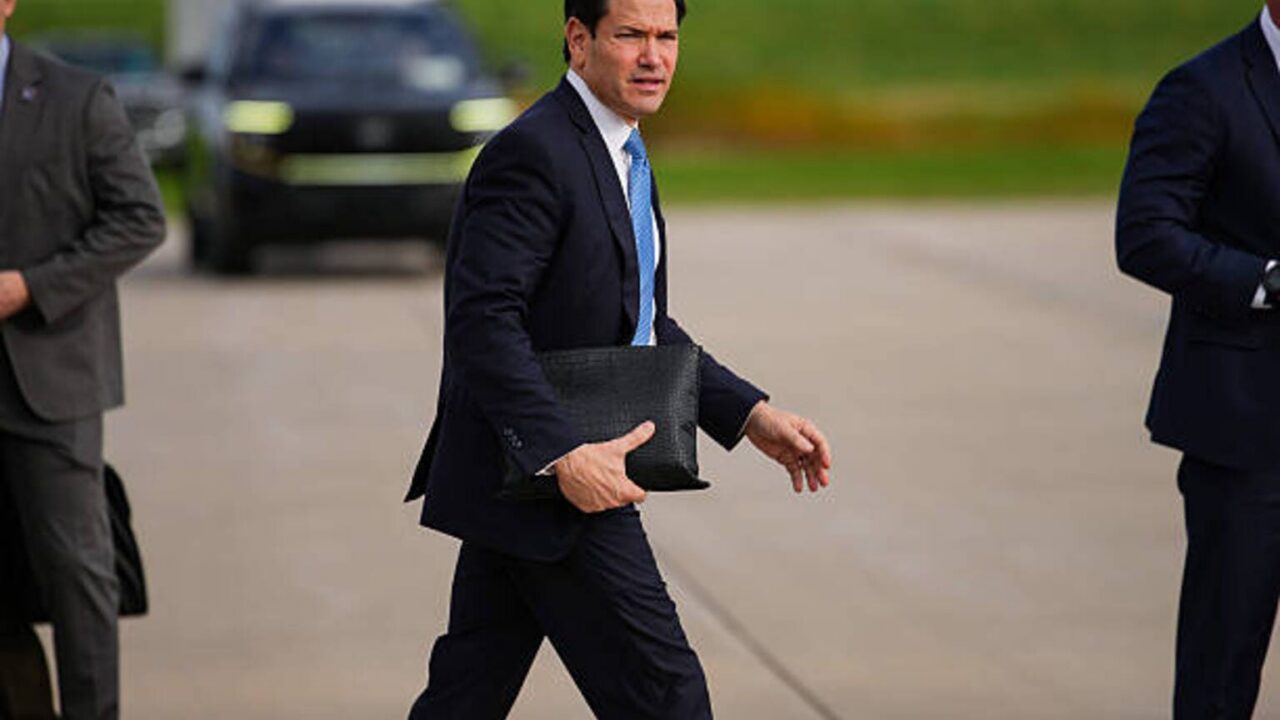
TREE NEWS reports: Secretary of State Marco Rubio expressed skepticism on Sunday that a peace deal with Iran is imminent, while President Donald Trump signaled reluctance to resume military strikes, creating a volatile geopolitical backdrop for global markets. Rubio’s comments, made during a televised interview, suggest that diplomatic efforts to curb Iran’s nuclear program remain fraught, even as the administration appears to favor a negotiated path over renewed conflict.
The mixed signals—doubts on diplomacy from the top diplomat and restraint from the commander-in-chief—leave investors grappling with a familiar but unsettling scenario: prolonged uncertainty over Middle East tensions that could disrupt energy supplies and rattle risk assets.
What Happened
Rubio said he is “not optimistic” about a near-term agreement with Iran, citing Tehran’s continued enrichment activities and regional proxy actions. He emphasized that the U.S. would not accept a “bad deal.” Separately, Trump told reporters that he is “not looking to start a war” but warned that “all options remain on the table” if Iran crosses certain thresholds. The remarks follow weeks of backchannel talks mediated by regional partners, which have yet to yield a framework.
The comments come amid heightened tensions: recent attacks on commercial shipping in the Red Sea, stalled nuclear inspections, and Iran’s expanding ballistic missile program. Markets have been jittery, with oil prices sensitive to any hint of escalation.
Market Implications
Equities: A risk-off tone could pressure cyclical sectors, particularly airlines and shipping, while defense stocks may benefit from perceived threats. However, if strikes are avoided, relief could lift broader indices. Volatility is likely to remain elevated in energy-heavy sectors.
Bonds: Safe-haven demand for Treasuries may rise on escalation fears, pushing yields lower. But if oil prices spike and inflation expectations climb, the Fed’s path becomes more complicated, potentially steepening the curve.
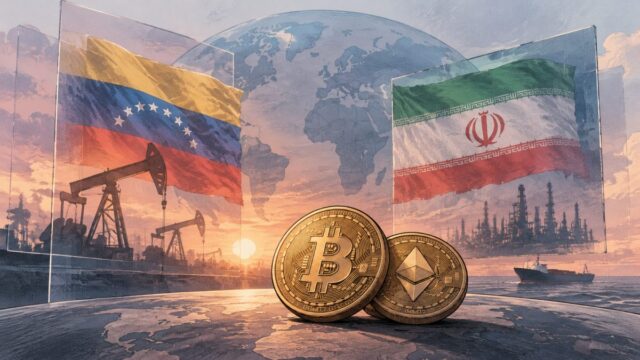
Crypto: Bitcoin and other digital assets have increasingly traded as risk proxies. Geopolitical tension could spark short-term selling, but some investors may view crypto as a hedge against traditional market turmoil, especially if dollar weakness emerges.
Commodities: Oil is the most direct channel. Any disruption to Strait of Hormuz shipping or Iranian exports could send Brent crude sharply higher. Gold, already near record highs, may see further safe-haven bids. Industrial metals could suffer from growth fears.
Currencies: The dollar typically strengthens in geopolitical crises, but if U.S. involvement deepens, fiscal concerns could weigh. The euro and yen may see safe-haven flows, while commodity-linked currencies like the Canadian dollar could swing with oil.
Why It Matters for Investors
Geopolitical risk is notoriously difficult to price, but the current setup—diplomatic stalemate, presidential restraint, and regional flashpoints—suggests a asymmetric risk: limited upside from de-escalation but significant downside if talks collapse or a miscalculation occurs. Investors should consider stress-testing portfolios for an oil price shock and reviewing exposure to Middle East-sensitive assets.
Moreover, the administration’s internal divergence—Rubio’s skepticism versus Trump’s reluctance—may prolong uncertainty, keeping volatility elevated. In such environments, quality and liquidity should be prioritized, and hedges via gold or options may be prudent.
Key Takeaways
- Rubio’s doubts on an Iran deal and Trump’s reluctance to strike create a muddled policy outlook, sustaining geopolitical risk premium.
- Oil and gold are likely to react most acutely, with equities and bonds facing diverging safe-haven flows.
- Crypto could see short-term volatility but may attract hedging demand if traditional markets wobble.
- Investors should prepare for elevated volatility and consider portfolio hedges, while monitoring diplomatic developments closely.