Trump Claims Victory in Two Wars, Backs Defense Secretary
TREE NEWS reports: President Donald Trump said on Sunday that he trusts Defense Secretary Pete Hegseth and declared that the United States has fought and won two wars—in Venezuela and Iran. The remarks, made without providing operational details, inject fresh geopolitical uncertainty into global markets already sensitive to energy prices, sanctions risk, and shifting U.S. foreign policy.
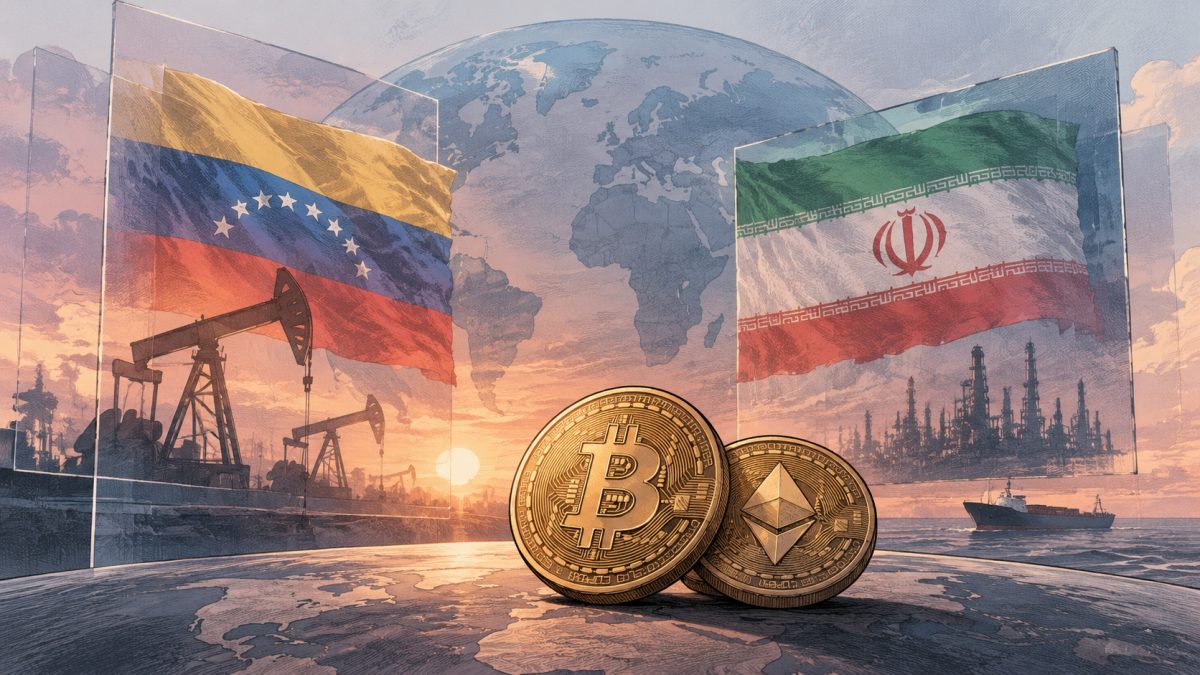
While the statement did not directly address digital assets, its timing matters for crypto traders. Geopolitical flashpoints have repeatedly driven bitcoin volatility in recent years, from the 2022 Russia-Ukraine conflict to Middle East tensions in 2024. Each escalation has reinforced bitcoin’s dual identity: a risk-on asset during liquidity booms and a hedge during acute uncertainty.
Why Crypto Markets Are Paying Attention
Conflict in Venezuela and Iran carries specific implications for the crypto economy:
- Sanctions and stablecoins: Both countries face U.S. sanctions. Any escalation could trigger new Treasury actions targeting wallets, exchanges, or stablecoin flows, testing the compliance posture of major issuers.
- Energy markets: Iran is a major oil producer. A supply shock would lift inflation expectations, complicating the Federal Reserve’s rate path—a key macro driver for bitcoin and risk assets.
- Safe-haven narratives: Prolonged instability could strengthen the “bitcoin as digital gold” thesis, particularly in emerging markets facing currency pressure.
- Mining and infrastructure: Venezuela has historically been a gray-market mining jurisdiction; tighter U.S. pressure could disrupt informal hash rate flows.
The Broader Macro Backdrop
Trump’s remarks come as markets weigh a fragile disinflation trend, elevated deficits, and a dollar that has whipsawed on trade policy. For crypto, the key transmission channel is liquidity. If geopolitical risk pushes oil higher and delays Fed easing, risk assets—including digital tokens—could face headwinds. Conversely, any sign of de-escalation or a flight to non-sovereign assets could support bitcoin.
Institutional investors are also watching whether the administration’s foreign policy posture translates into a harder line on crypto regulation, particularly around sanctions enforcement and exchange compliance. A more aggressive stance could raise compliance costs for global platforms.
Forward-Looking Perspective
The market’s immediate reaction will likely be muted until concrete policy actions emerge. But the strategic takeaway is clear: geopolitics is back as a first-order variable for crypto. Traders should monitor Treasury sanctions announcements, oil price moves, and any shift in Fed expectations. For long-term holders, the episode reinforces the case for bitcoin as a geopolitical hedge—but only if liquidity conditions remain supportive.
As Washington’s foreign policy becomes more assertive, crypto markets will need to price in a persistent geopolitical risk premium. That means higher volatility, sharper correlations with macro events, and a premium on compliance infrastructure. The next few weeks will reveal whether Trump’s “two wars” rhetoric is a passing headline or the start of a new risk regime.