Oil Tumbles on Geopolitical Breakthrough
TREE NEWS reports: Oil prices fell sharply on reports that the United States and Iran have reached an $8 billion agreement related to the Strait of Hormuz, a critical chokepoint for global crude shipments. The deal, if confirmed, would reduce tensions in the Persian Gulf and ease supply concerns that had kept energy markets on edge. Brent crude and West Texas Intermediate both dropped by more than 3% intraday, reflecting a rapid unwinding of geopolitical risk premiums.
Bitcoin Fails to Rally on Risk-On Sentiment
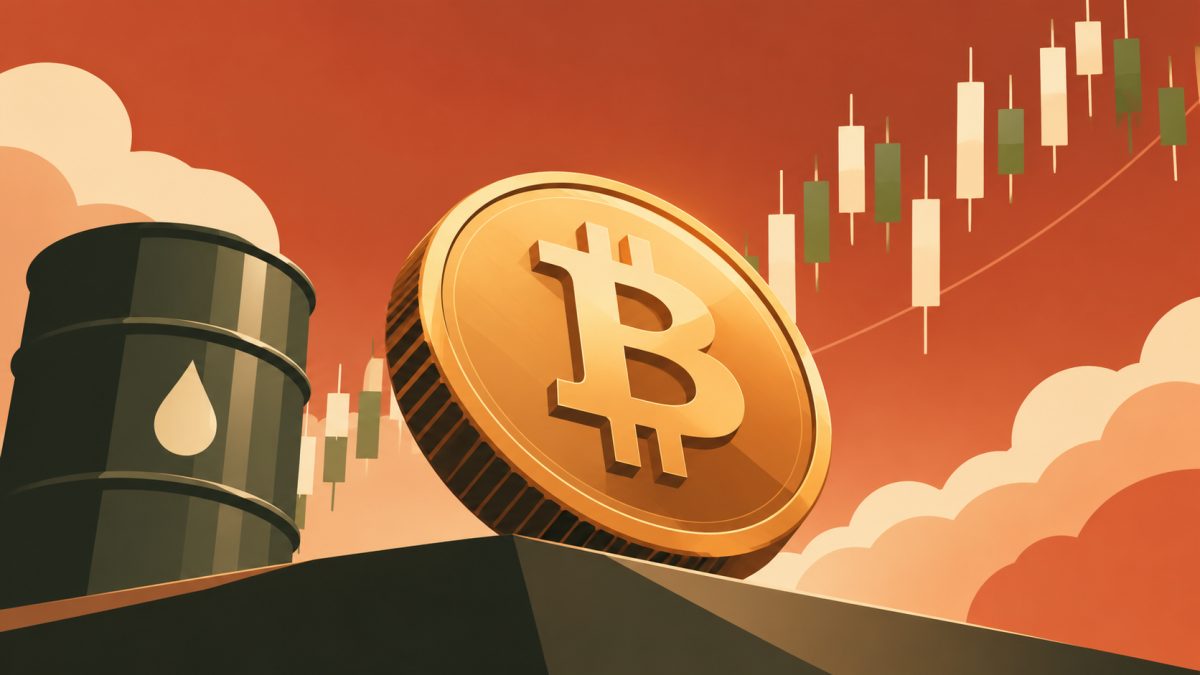
Typically, falling oil prices and easing geopolitical tensions would be bullish for risk assets, including cryptocurrencies. However, Bitcoin slid alongside the news, puzzling many market participants. Analysts point to a confluence of factors: profit-taking after recent highs, lingering uncertainty over the deal’s details, and a broader de-risking ahead of key US inflation data. The crypto market’s muted reaction suggests that macroeconomic indicators, particularly the Federal Reserve’s preferred inflation gauge, remain the dominant driver for digital assets.
Inflation Data Takes Center Stage
The next major test for Bitcoin and the broader crypto market will be the release of US inflation figures. With oil prices declining, some expect headline inflation to cool, potentially giving the Fed room to pause rate hikes. However, core inflation remains stubbornly high, and any upside surprise could strengthen the dollar and weigh on risk assets. Bitcoin’s recent correlation with tech stocks and its sensitivity to liquidity conditions mean that the inflation print could trigger significant volatility.
Implications for Crypto Markets
- Short-term volatility: Traders should brace for swings as the market digests both geopolitical developments and inflation data.
- Safe-haven narrative: Bitcoin’s failure to act as a geopolitical hedge may reinforce the view that it is still a risk-on asset, not digital gold.
- Liquidity watch: Any sign of easing inflation could revive hopes for rate cuts, boosting crypto prices.
Market participants will also monitor the US dollar index and Treasury yields for clues. A weaker dollar and falling yields would be supportive for Bitcoin, while a stronger dollar could cap upside.
Forward-Looking Perspective
While the reported US-Iran deal may reduce near-term geopolitical risk, the crypto market’s focus is squarely on macroeconomic fundamentals. The upcoming inflation data will likely determine Bitcoin’s next directional move. If inflation continues to moderate, risk assets could rally, but if price pressures persist, expect further consolidation or downside. Investors should remain cautious and watch for confirmation of the deal’s details, as well as any official statements from both governments. In the longer term, Bitcoin’s role as an inflation hedge will be tested anew, especially if energy prices remain volatile.