Two Fed Presidents Sound Hawkish Tone on Inflation
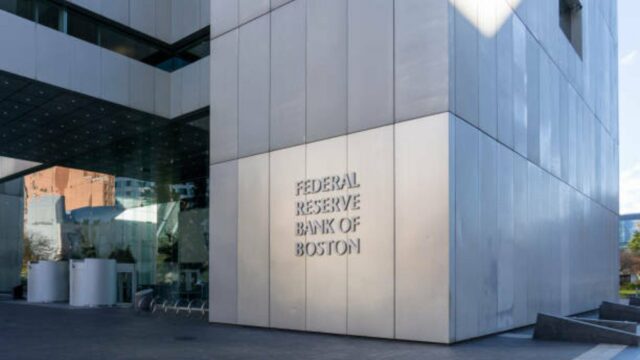
TREE NEWS reports: Two Federal Reserve officials on Monday delivered hawkish remarks, emphasizing that inflation pressures remain persistent and that the direction of monetary policy is clearly toward further tightening, though the pace of any moves should be handled with care. Richmond Fed President Tom Barkin said strong demand and stubbornly high inflation mean interest rates need to rise further, but warned that any increases should proceed at a measured pace. His comments align with the stance of several other Fed officials in recent weeks. Chicago Fed President Austan Goolsbee echoed the concern, noting that services inflation has accelerated notably in recent months beyond what tariff pressures alone can explain, and that the Fed must confront the risk of inflation running out of control.
Rate Path and Data Dependency
The Fed held rates steady last month in a 10-2 vote, after unanimously raising the benchmark rate by 25 basis points in September to a target range of 3.75%-4%. Since that meeting, multiple officials have publicly stressed the need for further hikes. Last week’s data showing a sharp increase in October nonfarm payrolls and a slight drop in unemployment reinforced the hawkish case. Before the December meeting, officials will see at least one more employment report and a series of inflation readings, starting with October CPI due Tuesday. Market traders currently price an 80% probability of a December rate hike.
Consumer Resilience and Cost Pass-Through
Barkin expressed cautious optimism on consumer spending, expecting resilience through year-end but questioning how long the strength can last. He flagged concerns about corporate cost pressures, noting that businesses face broad cost increases—from gasoline and diesel to chips and health insurance—and many are evaluating whether they can pass these costs onto consumers. If cost pass-through continues, it will make bringing inflation down even harder and complicate the Fed’s judgment on whether policy is sufficiently restrictive.
AI Boom Adds Policy Uncertainty
Barkin identified the AI boom as a key uncertainty for policymakers, calling it the “elephant in the room.” He outlined two scenarios: if AI fails to deliver, business investment could fall, stock prices could decline, and consumer spending reliant on asset effects would suffer; conversely, if AI exceeds expectations and displaces labor at scale, consumer spending would contract. Both scenarios would shift focus to the Fed’s maximum employment goal. He dismissed concerns that data center construction bottlenecks might slow AI investment, saying the country is large enough to find welcoming regions for such projects.
Market Implications
The hawkish signals reinforce expectations for another rate hike in December, which could support the dollar and weigh on bonds, particularly longer-duration Treasuries. Equities may face headwinds from higher discount rates, though sectors tied to AI and technology could remain resilient if earnings hold up. Crypto assets, sensitive to liquidity conditions, could see renewed volatility as tighter monetary policy reduces risk appetite. Commodities may react to demand expectations and cost pressures, with energy prices already a concern. Currency markets will likely focus on the pace of Fed tightening relative to other central banks, with the dollar biased higher in the near term.
Key Takeaways for Investors
- Expect further rate hikes but at a potentially slower pace; focus on incoming data, especially CPI and payrolls.
- Position for a stronger dollar and higher short-term yields; consider duration risk in bond portfolios.
- Equity markets may face pressure from higher rates, but quality and earnings resilience remain key.
- Crypto and risk assets could experience volatility as liquidity tightens; monitor regulatory and macro signals.
- Watch for corporate commentary on cost pass-through and consumer spending trends for clues on inflation persistence.