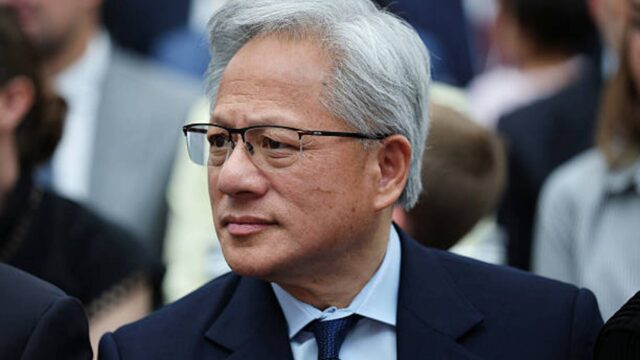
Nvidia Founder Jensen Huang’s Forced Exit Shakes Silicon Valley and AI Trade
TREE NEWS reports: Jensen Huang, co-founder and CEO of Nvidia, has left the company just days after a scandal erupted. The sudden departure of the man who positioned Nvidia at the heart of the artificial intelligence boom—turning it into one of the world’s most valuable companies—has sent shockwaves through Silicon Valley and raised fears of a painful market correction.
The move breaks the myth of the invincible tech founder and signals a profound shift in Silicon Valley’s power structure. Traditional bureaucracies, institutional authority, and old norms are reasserting control, and the era of the imperial CEO may be waning.
Market Implications
Nvidia shares have fallen sharply since the news broke, and the selloff is rippling across the tech sector. Investors who viewed Nvidia’s computing power as a bellwether for the entire AI industry now face enormous uncertainty. The company’s chips have fueled a spending boom and a wave of investment in AI, but they have also enabled some questionable deals that market watchers fear could trigger a sharp adjustment.
- Stocks: Nvidia’s decline is dragging down the broader semiconductor and AI-related stocks. The Nasdaq and S&P 500 are likely to face pressure as investors reassess the sustainability of the AI trade. The loss of a key leader at the center of the AI arms race could lead to a broader de-rating of AI darlings.
- Bonds: Safe-haven demand may push Treasury yields lower in the near term as investors seek shelter from equity volatility. However, if the selloff deepens and threatens economic growth, the Federal Reserve could face pressure to adjust policy.
- Crypto: Digital assets, which have increasingly traded in tandem with tech stocks, could see heightened volatility. AI-themed tokens and crypto projects tied to GPU computing may be particularly vulnerable. Bitcoin, often seen as a risk asset in the short term, could face selling pressure if risk appetite deteriorates.
- Commodities: Industrial metals like copper, which are tied to data center buildouts, may weaken on concerns that AI infrastructure spending could slow. Gold, as a safe haven, could benefit from heightened uncertainty.
- Currencies: The dollar may strengthen as investors flee to safety, while risk-sensitive currencies like the Australian dollar could suffer.
Political and Regulatory Context
The departure comes amid a shifting political landscape in Washington. After Democrats’ midterm election victories, lawmakers have signaled stricter scrutiny of the tech industry starting in January, with national security emerging as the paramount regulatory focus. Senator Chuck Schumer, set to become Senate Majority Leader, has stated that Congress must demand answers from Huang and other Nvidia officials about how they may have jeopardized U.S. national security.
Tech elites have rushed to defend Huang, with some calling the board’s decision unwise and comparing it to the ousters of Steve Jobs and Travis Kalanick. However, such reflexive defensiveness has drawn criticism from within the industry, with some arguing that the tech world’s win-at-all-costs culture is out of step with the new political reality.
Key Takeaways for Investors
- Expect volatility: The AI trade is entering a period of heightened uncertainty. Investors should brace for swings in Nvidia and related stocks.
- Diversify: The concentration risk in AI leaders is now more apparent than ever. Consider spreading exposure across sectors and asset classes.
- Watch Washington: Regulatory scrutiny of Big Tech is set to intensify. Companies with national security exposure, like Nvidia, may face headwinds.
- Don’t count Huang out: Some predict a comeback. Elon Musk said it would be an honor to hire him, and others foresee a Steve Jobs-style return if Nvidia stumbles.
The lesson, some argue, is not about Huang’s missteps but about his lack of absolute control—a contrast to Musk at SpaceX or Mark Zuckerberg at Meta. The age of the imperial CEO persists, but Huang’s exit is a cold reminder of the limits of Silicon Valley power.