Fed Officials Sound Alarm on Inflation
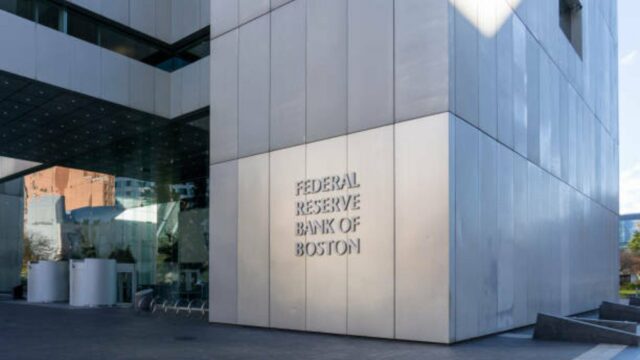
TREE NEWS reports: Two Federal Reserve officials delivered a stark warning on Friday: inflation remains too high and is spreading beyond energy and tariffs into broader goods and services, signaling that the central bank’s work is far from done. Chicago Fed President Austan Goolsbee said inflation pressures are now broad-based and moving in the wrong direction, stressing that the Fed must rebuild its anti-inflation credibility. Boston Fed President Susan Collins echoed the concern, stating that inflation is still too high and appears to be diffusing, and that further policy tightening may be necessary in the near term.
Both officials emphasized that the future path of interest rates will depend on incoming inflation data. While Collins favors a cautious approach to policy adjustments, she acknowledged that higher rates needed to curb inflation also raise the cost of buying and building homes. The remarks come as markets scrutinize every signal from the Fed for clues on the timing and pace of potential rate hikes. Notably, Goolsbee will become a voting member of the FOMC in 2027, and Collins in 2028, making their current views an important gauge of future policy direction.
Market Implications
Stocks
Equity markets could face renewed volatility as investors reassess the likelihood of further tightening. Growth stocks, particularly in the technology sector, are most sensitive to rising rates because higher discount rates erode the present value of future earnings. The AI infrastructure boom, which Goolsbee flagged as a potential inflation risk, could also come under pressure if higher borrowing costs slow capital expenditures. Defensive sectors such as utilities and consumer staples may outperform in a higher-for-longer rate environment.
Bonds
Treasury yields are likely to stay elevated or climb further if the Fed signals a longer tightening cycle. The yield curve, which has been inverted for much of the past two years, could steepen as short-term rates rise on hawkish rhetoric while long-term yields adjust to sustained inflation expectations. Bond investors should brace for continued volatility and consider shortening duration to mitigate interest rate risk.
Crypto
Digital assets, often viewed as risk-on investments, may experience downward pressure as tighter monetary policy reduces liquidity and risk appetite. Bitcoin and other cryptocurrencies have shown sensitivity to real yields and dollar strength. However, crypto could also attract safe-haven demand if inflation erodes confidence in traditional fiat currencies, though this narrative has been inconsistent.
Commodities
Commodities could see mixed effects. Energy prices, which Goolsbee noted are no longer the sole driver of inflation, may remain supported by supply constraints. Industrial metals could benefit from infrastructure spending but face headwinds from slower economic growth. Gold, a traditional inflation hedge, might gain if real rates remain low or if inflation expectations become unanchored.
Currencies
The U.S. dollar is likely to strengthen on expectations of higher rates relative to other major economies. A stronger dollar could weigh on emerging market currencies and commodities priced in dollars. The euro and yen may face downward pressure if the Fed outpaces other central banks in tightening.
Key Takeaways for Investors
- Inflation is not transitory: The Fed’s credibility is on the line, and officials are signaling that rate hikes may be needed sooner rather than later. Investors should prepare for a higher-for-longer rate environment.
- Housing costs to rise: Higher rates will increase mortgage costs and slow housing activity, impacting homebuilders and real estate investment trusts.
- AI infrastructure risk: The AI investment boom could contribute to demand-pull inflation, potentially prompting the Fed to tighten more aggressively, which could hit tech capital spending.
- Diversify and hedge: With inflation risks skewed to the upside, consider adding inflation-protected securities, commodities, and short-duration bonds to portfolios.
- Watch the data: Upcoming inflation and employment reports will be critical in determining the Fed’s next move. Stay agile and avoid overexposure to rate-sensitive sectors.