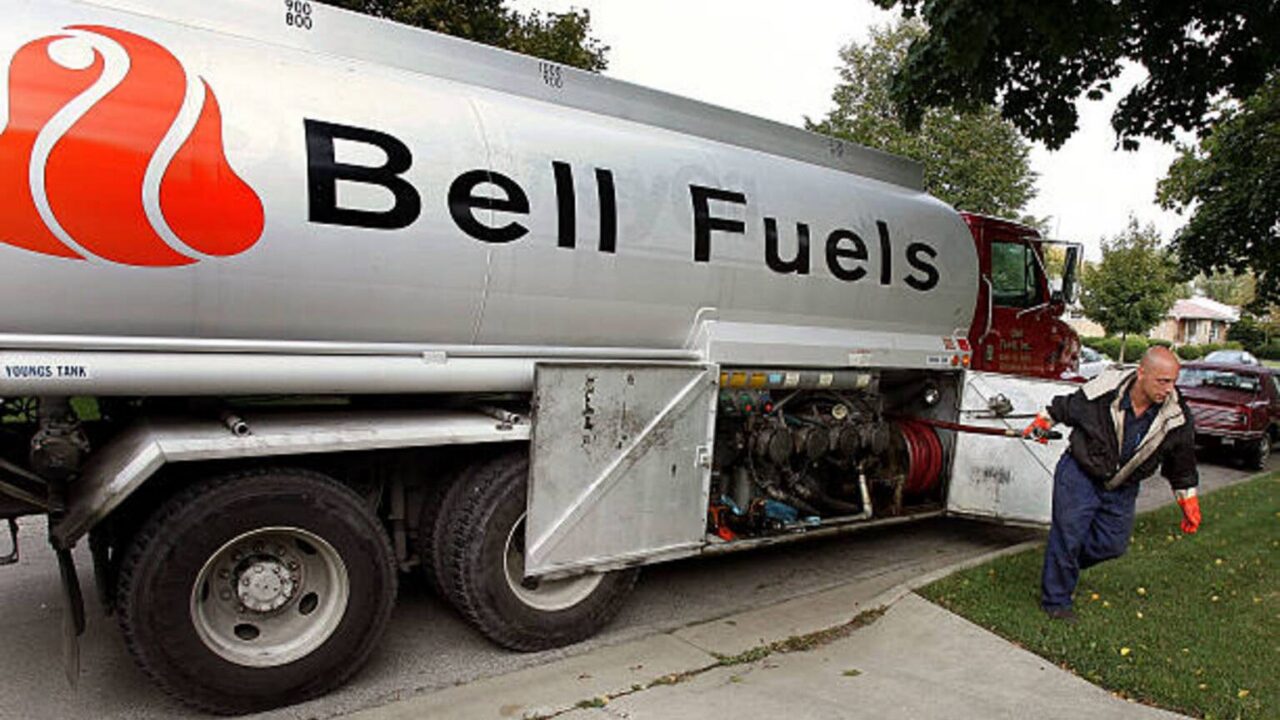
Heating Oil Prices Retreat From October Peak but Remain 59% Higher Year-Over-Year
TREE NEWS reports: Home heating oil prices have pulled back from their October highs but remain dramatically elevated compared with a year ago. The benchmark price for residential heating oil has declined from its autumn peak, yet it is still up roughly 59% on a year-over-year basis, underscoring the persistent energy cost pressures weighing on households and the broader inflation picture.
The retreat from the October high reflects a combination of milder early-winter weather forecasts, softer crude oil benchmarks, and some easing in refinery margins. However, the year-over-year surge highlights how far energy costs have climbed relative to last year, driven by tighter global distillate supplies, geopolitical risk premiums, and resilient demand.
What Happened
Heating oil, a distillate fuel closely tied to diesel and crude oil, spiked earlier in the autumn as traders priced in supply risks and seasonal demand. Since then, prices have moderated as weather models turned milder and crude benchmarks eased. Still, the market remains structurally tight: distillate inventories have run below historical averages, and any renewed cold snap or supply disruption could quickly push prices back toward recent highs.
Market Implications
Commodities: The pullback offers modest relief for distillate consumers, but the elevated year-over-year level keeps upside risk alive. The linkage between heating oil, diesel, and crude means any crude rally or refinery outage could reignite prices. Natural gas, a substitute for some heating demand, remains a key cross-asset variable to watch.
Equities: Energy majors and refiners benefit from elevated crack spreads, though a sustained decline in distillate margins could pressure refining earnings. Consumer discretionary and transportation names — airlines, trucking, logistics — are sensitive to diesel costs and could see margin relief if prices keep easing.
Bonds and Rates: Energy is a meaningful input to headline inflation. A persistently high year-over-year heating oil price keeps upward pressure on CPI components and complicates the case for near-term rate cuts, supporting higher front-end yields and a flatter curve bias.
Currencies: Higher energy costs worsen the terms of trade for energy importers, particularly in Europe and parts of Asia, weighing on their currencies versus the dollar. The U.S., as a net energy exporter, is relatively insulated, reinforcing dollar resilience.
Crypto: Digital assets remain largely driven by liquidity and risk appetite rather than energy directly, but sticky inflation from energy costs can delay easing cycles, which historically pressures risk assets including crypto. Mining economics also hinge on power costs, making energy a secondary but real input.
Why This Matters for Investors
Energy prices sit at the intersection of inflation, consumer spending, and central bank policy. A 59% year-over-year increase in heating oil is a tangible cost for households in the Northeast U.S. and Europe, diverting disposable income and reinforcing the narrative of sticky inflation. For investors, this argues for caution on duration-sensitive assets, selective exposure to energy equities, and attention to inflation-hedge and real-asset strategies.
Key Takeaways
- Heating oil has retreated from October highs but remains up about 59% year-over-year, signaling persistent energy cost pressure.
- Distillate inventories remain tight, leaving prices vulnerable to weather and supply shocks.
- Sticky energy inflation complicates the rate-cut outlook, supporting higher front-end yields.
- Energy importers face terms-of-trade pressure, reinforcing dollar strength.
- Investors should watch crude benchmarks, weather forecasts, and refinery margins as key swing factors.