Gold and Silver Tumble Despite Inflation: Why the Classic Hedges Are Failing
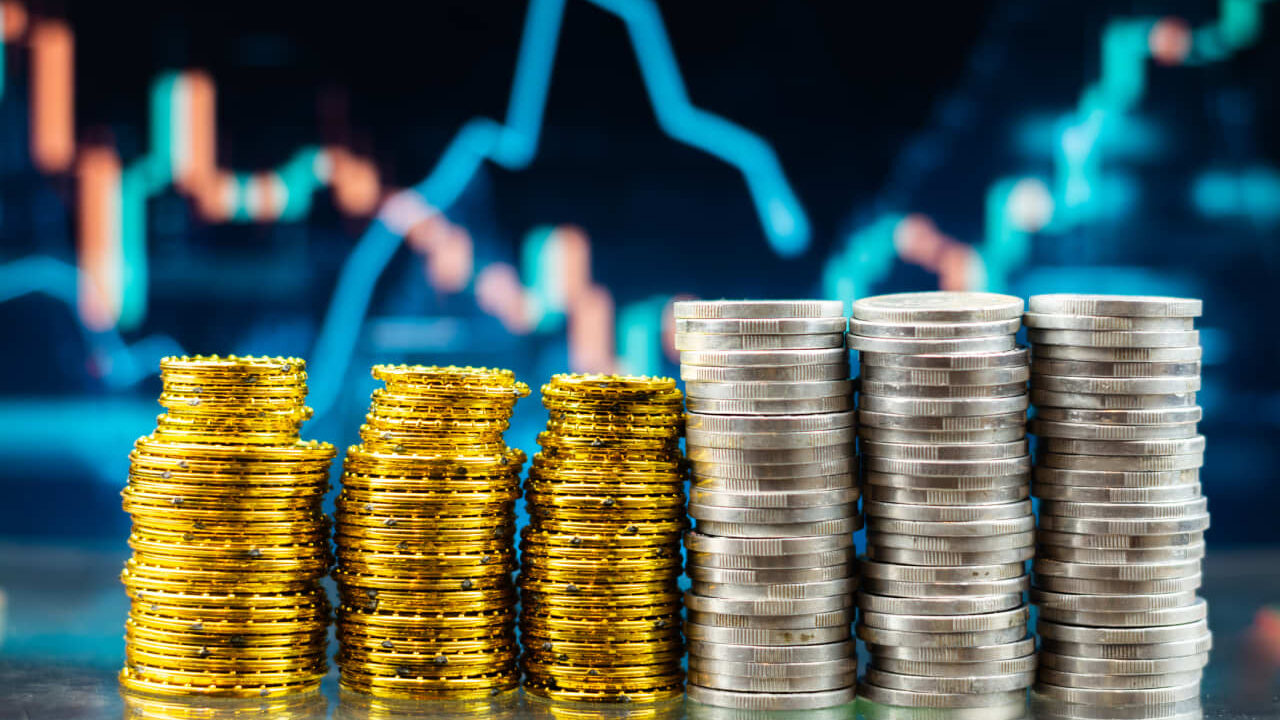
TREE NEWS reports: Gold and silver, long regarded as the ultimate safe-haven assets and inflation hedges, are tumbling at a time when price pressures remain stubbornly elevated. The unusual divergence has caught many investors off guard and raised uncomfortable questions about the traditional role of precious metals in a modern portfolio. Technical charts suggest the pain may not be over yet, with both metals breaking below key support levels that have held for months.
What’s Driving the Selloff?
The decline is not a story about inflation disappearing — it is a story about the cost of money. As central banks keep real interest rates elevated, the opportunity cost of holding non-yielding assets like gold and silver rises sharply. When Treasury bills yield 5% or more, investors demand a compelling reason to park capital in a metal that pays nothing. The U.S. dollar has also strengthened, and because precious metals are priced in dollars, a firmer greenback mechanically pressures their prices downward.
Adding to the pressure, institutional investors have been rotating out of gold-backed ETFs and into higher-yielding fixed income and equity plays. Silver, which has a larger industrial demand component, has been hit even harder as global manufacturing data softens, particularly in China and Europe.
Market Implications Across Asset Classes
- Stocks: Miners and precious-metal streaming companies are likely to face earnings headwinds. Investors may rotate toward cyclical and technology names that benefit from a ‘higher-for-longer’ rate environment.
- Bonds: Rising real yields are the primary culprit. Any softening in inflation data or a dovish pivot from central banks could quickly reverse the metals’ slide.
- Crypto: Bitcoin has increasingly been framed as ‘digital gold,’ and its recent resilience relative to physical metals may reinforce that narrative among institutional allocators.
- Commodities: A stronger dollar is a broad headwind for dollar-denominated commodities. Silver’s industrial demand sensitivity makes it more vulnerable than gold to a global growth slowdown.
- Currencies: The dollar’s strength is the mirror image of metals weakness. Watch the DXY index for clues on the next leg.
Why This Matters for Investors
The classic playbook — buy gold when inflation is high — is being stress-tested. What matters more than inflation itself is the real rate of return available elsewhere. For long-term investors, this is a reminder that gold is not a monolithic hedge; its performance is highly sensitive to the interest-rate cycle and currency dynamics. Those holding precious metals as portfolio insurance should reassess position sizing and consider whether the current macro regime still justifies the allocation. Meanwhile, contrarian investors may see the selloff as an opportunity — but only if they believe real yields are near a peak.
Key Takeaways
- Gold and silver are falling because real interest rates and the dollar are rising, not because inflation has vanished.
- Silver’s industrial exposure makes it more cyclical and vulnerable to a growth slowdown.
- Bitcoin’s relative strength may accelerate the ‘digital gold’ narrative among institutions.
- Investors should watch real yields and the DXY as leading indicators for a potential reversal.