Supertanker Rates Plunge 60% as Middle East Risk Premium Evaporates
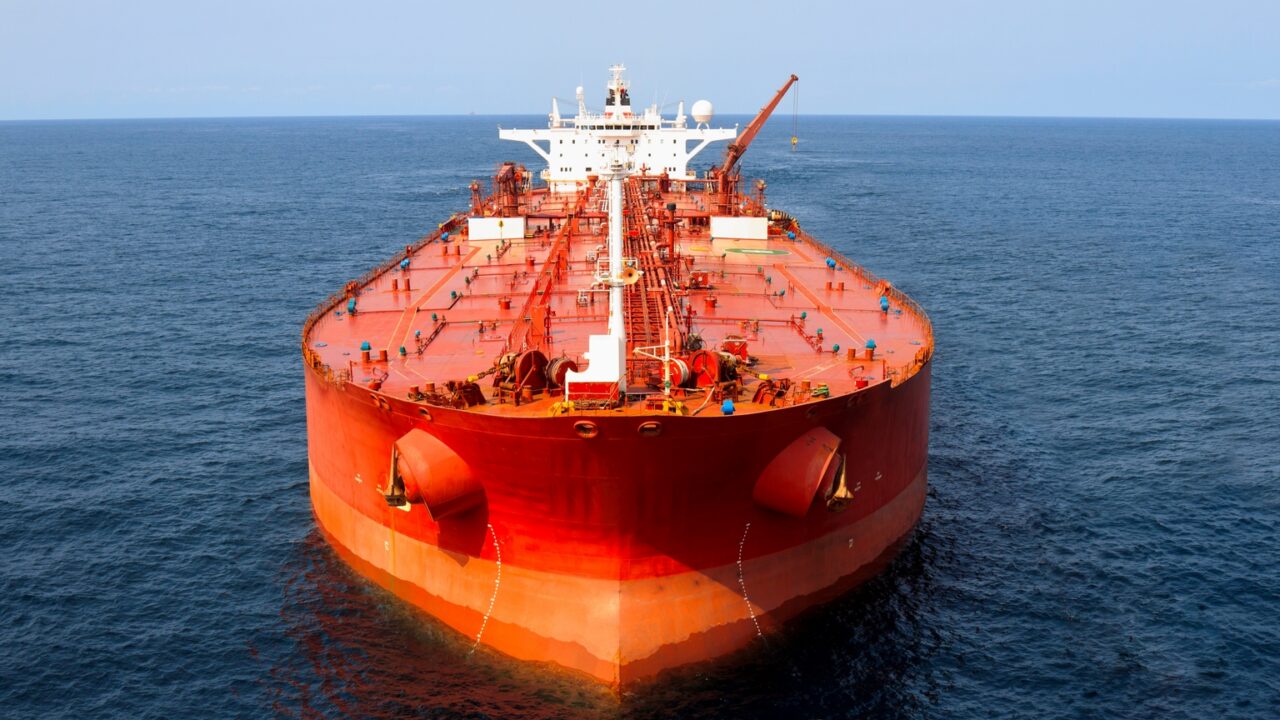
TREE NEWS reports: Supertanker freight rates have collapsed by more than 60% from record highs reached earlier this year, as the geopolitical risk premium linked to Middle East tensions unwinds. The sharp reversal in tanker earnings, which had spiked amid fears of supply disruptions and shipping lane closures, signals that traders are rapidly pricing out the likelihood of a broader conflict that would disrupt oil flows.
What Happened
Rates for very large crude carriers (VLCCs) on key routes such as the Middle East-to-China run have fallen sharply from their peaks. The surge earlier in the year was driven by heightened security concerns in the Red Sea and Strait of Hormuz, which forced rerouting and increased insurance costs. As those immediate threats have failed to materialize into sustained disruptions, the freight market has retraced aggressively. The pullback is also being amplified by seasonal weakness in refinery demand and a looser tanker supply picture as vessels return to normal trading patterns.
Market Implications
The collapse in tanker rates has several cross-asset implications:
- Energy equities: Tanker owners and operators, which saw their shares rally on the back of record freight earnings, are likely to face downward pressure as earnings expectations reset. Conversely, refiners and oil consumers could benefit from lower transportation costs.
- Oil prices: The fall in freight rates reduces the cost of moving crude, which can marginally ease delivered crude prices. However, the bigger driver for oil remains the underlying geopolitical risk premium, which is also deflating. A lower risk premium is bearish for crude prices, though fundamentals such as OPEC+ policy and demand will dominate.
- Bonds and rates: Reduced geopolitical tension lowers the safe-haven bid for government bonds, potentially pushing yields higher as risk appetite improves. However, the effect is likely secondary to central bank policy expectations.
- Crypto and risk assets: A fading geopolitical premium generally supports risk assets, including equities and cryptocurrencies, as investors rotate out of defensive positions. But the impact is indirect and could be offset by other macro factors.
- Currencies: Commodity-linked currencies may feel minor pressure from softer oil prices, while safe-haven currencies like the dollar and Swiss franc could see reduced demand.
Why It Matters for Investors
The tanker rate collapse is a clear signal that markets are unwinding the fear premium that had built up around Middle East tensions. For investors, this reinforces the importance of distinguishing between transient geopolitical shocks and durable fundamental trends. While the initial spike in freight rates created trading opportunities, the subsequent crash highlights the risk of chasing momentum in volatile shipping markets. Investors with exposure to energy shipping should reassess earnings forecasts, while those in broader energy and risk assets should consider whether the reduced risk premium is fully reflected in prices. The episode also serves as a reminder that geopolitical risk can dissipate as quickly as it escalates, and portfolios should be positioned for both scenarios.
Key Takeaways
- Supertanker rates have fallen over 60% from record highs as Middle East risk premium unwinds.
- Tanker operators face earnings downgrades; refiners and consumers benefit from lower freight costs.
- Softer risk premium is modestly bearish for oil and supportive for risk assets like equities and crypto.
- Investors should avoid chasing shipping momentum and focus on fundamental supply-demand balances.