Robot Firm Backed by Trump’s Son Faces Unpaid Wages, Awaits $150M Korean Rescue
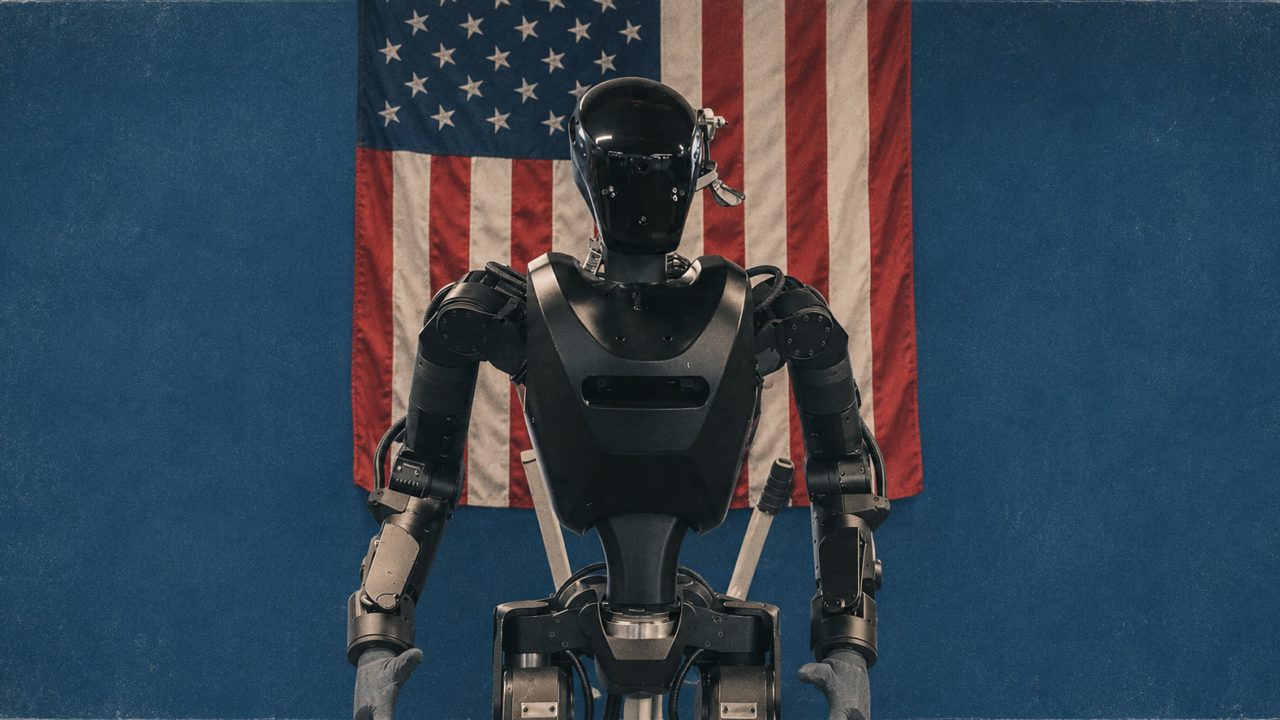
Foundation, a robotics startup that pivoted from fintech to military humanoid robots and counts Donald Trump Jr. as an investor, is struggling to pay its employees on time. The company is now in advanced talks with a South Korean commercial partner for a $150 million investment that could shore up its finances and accelerate development of its defense-focused robots.
The news highlights the volatile nature of deep-tech ventures that attract high-profile backers but face steep capital requirements and long development timelines. Foundation, founded by Sankaet Pathak, previously operated in the fintech space before refocusing on humanoid robots for military applications. Its earlier fintech venture, Synapse, filed for bankruptcy in 2024, leaving behind a trail of disputed customer funds and regulatory scrutiny.
From Fintech to Defense Tech
Pathak’s transition from fintech to robotics is emblematic of a broader trend: entrepreneurs seeking new frontiers in AI and automation, often with ambitious promises that require massive capital. Foundation’s military humanoid robots are positioned to address logistics, reconnaissance, and potentially combat support roles. The involvement of Trump Jr. as an investor adds a political dimension, though it remains unclear how much capital he has committed or whether his role extends beyond advocacy.
The unpaid wage issue, first reported by tech media, raises questions about the company’s cash flow and operational discipline. Startups in the defense tech sector often face lengthy procurement cycles and stringent certification processes, which can strain finances before revenue materializes. Foundation’s ability to secure a $150 million injection from a Korean partner could be a lifeline, but it also underscores the company’s dependence on external funding to stay afloat.
Korean Capital and Strategic Implications
The potential Korean investment is significant for several reasons. South Korea has been ramping up its defense technology ecosystem, with both government and private sector players investing heavily in robotics and AI. A Korean commercial partner could provide not only capital but also manufacturing expertise, market access, and supply chain integration. For Foundation, this could mean a more stable path to commercialization and a foothold in the Asian defense market.
However, the deal is not yet finalized, and the unpaid wage controversy could complicate negotiations. Investors typically conduct thorough due diligence, and any hint of financial mismanagement may lead to renegotiated terms or a withdrawal. The outcome will be closely watched by other defense tech startups and their backers, as it could set a precedent for how such ventures navigate early-stage financial turbulence.
Forward-Looking Perspective
Foundation’s predicament reflects the high-risk, high-reward nature of defense tech and robotics. While the sector has attracted billions in venture capital, many companies struggle to bridge the gap between prototype and profitable production. The proposed Korean investment could provide the necessary runway, but it also highlights the importance of financial discipline and realistic milestones. If Foundation can secure the funding and resolve its wage issues, it may yet emerge as a contender in the emerging market for military robots. If not, it risks becoming another cautionary tale of ambition outpacing execution.