Putting US Stocks into Game NFTs: Can RWA Save Blockchain Gaming?
The intersection of real-world assets (RWA) and blockchain gaming is drawing fresh attention as projects experiment with tokenizing traditional financial instruments—like US equities—into in-game NFTs. The concept: let players hold yield-bearing assets such as tokenized stocks or bonds as NFTs within game economies, potentially bridging the gap between speculative gameplay and tangible financial value.
This approach aims to address a core weakness of blockchain games: unsustainable tokenomics. By backing in-game assets with real-world value, developers hope to create more resilient economies and attract players who are wary of purely speculative models. However, the model faces significant hurdles, including regulatory compliance, custody of underlying assets, and the challenge of integrating TradFi yields into game loops without turning games into unregistered securities offerings.
Industry Analysis and Implications
The RWA narrative has gained momentum in DeFi, with tokenized treasuries and private credit attracting billions. Extending this to gaming is a natural next step but introduces unique complexities. Games are inherently closed ecosystems; injecting external financial assets could blur the line between entertainment and investment, raising securities law concerns. Moreover, the technical infrastructure for fractionalized, compliant RWA NFTs is still maturing.
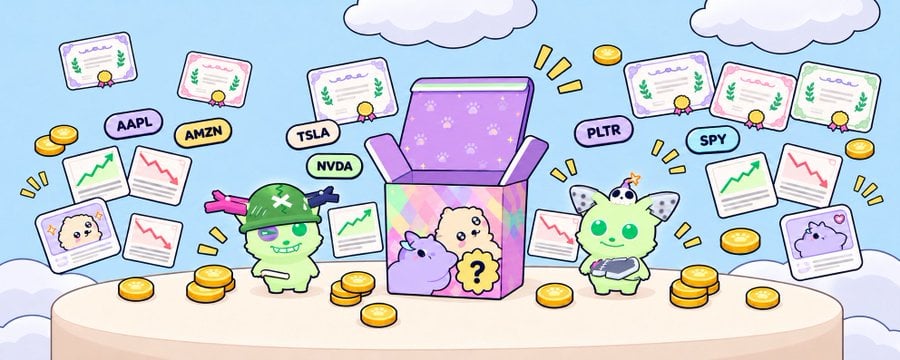
Several projects are testing the waters. For instance, some are exploring tokenized equity NFTs that grant exposure to stocks like Apple or Tesla, with dividends distributed to holders. Others focus on tokenized bonds for stable in-game yields. Success will depend on clear regulatory frameworks and robust legal structures that segregate asset custody.
Forward-Looking Perspective
If executed compliantly, RWA-backed game assets could unlock new player segments and stabilize in-game economies. But the sector must avoid repeating past mistakes of over-financialization. The coming year will be telling: watch for regulatory guidance and pilot projects that demonstrate sustainable integration. Ultimately, RWA may not “save” blockchain gaming alone, but it could be a crucial piece in building more mature, interoperable virtual economies.