From Coffee Vouchers to Experience Classes: A Standardized Framework for Consumer Rights
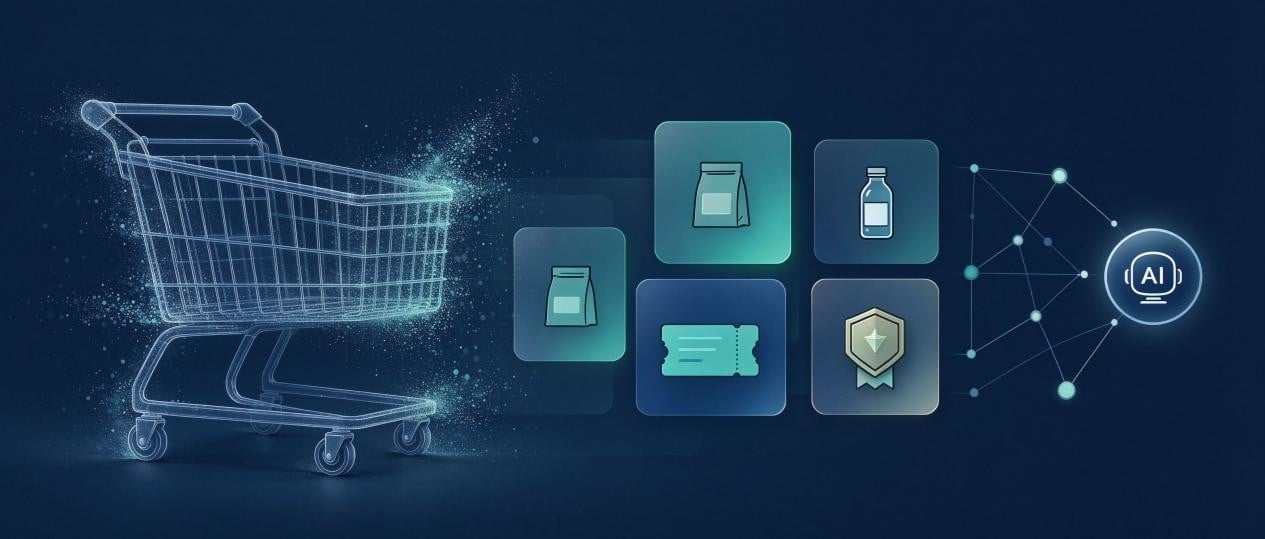
The tokenization of real-world assets (RWA) has largely focused on financial instruments—bonds, real estate, and commodities. But a new perspective emerging from the consumer rights space suggests that the underlying principles of RWA can be applied far more broadly, using standardized fields, processes, and verification criteria to enable cross-category reuse of digital claims. The example of coffee pickup vouchers and experience classes illustrates how a unified system can preserve different delivery methods while standardizing key information such as holder identity, validity period, usage status, and liability. By linking inventory, reservation, and redemption status to traceable records, such standards can reduce integration and operational costs and provide a foundation for intelligent assistants to query, compare, and book within user authorization.
Standardization as the Key to Scalability
The core insight is that consumer rights—whether for a bag of coffee beans or a baking class—share common attributes that can be abstracted into a standardized data model. These attributes include who holds the right, when it expires, whether it has been used, and who is responsible for fulfillment. By defining these fields consistently, different categories of goods and services can be represented within the same system, enabling interoperability and reducing the need for custom integrations. This is analogous to how ERC-20 or ERC-721 standards allow different tokens to interact within the same wallet or exchange. In the consumer rights context, standardization lowers the barrier for merchants to issue and manage digital vouchers and for platforms to aggregate them.
Implications for RWA and DeFi
While the example focuses on consumer vouchers, the implications for the broader RWA and DeFi ecosystem are significant. A standardized framework for representing off-chain rights could serve as a bridge between traditional consumer markets and on-chain finance. For instance, tokenized coffee vouchers could be traded or used as collateral in DeFi protocols, provided the underlying rights are verifiable and enforceable. The emphasis on traceable records and verification standards aligns with the transparency requirements of blockchain-based systems. Moreover, the ability for intelligent assistants to query and compare rights within user authorization hints at a future where AI agents interact with tokenized assets on behalf of users, automating tasks like booking and redemption.
Challenges and Forward Outlook
Despite the potential, several challenges remain. Legal recognition of digital consumer rights varies by jurisdiction, and ensuring that off-chain fulfillment matches on-chain representations requires robust oracle mechanisms and dispute resolution frameworks. Additionally, privacy concerns arise when personal data is linked to traceable records. Nevertheless, the push toward standardization is a necessary step for scaling RWA beyond financial assets. As consumer markets increasingly digitize, the lessons from this framework could inform the design of more inclusive and interoperable tokenization systems. The next frontier may be not just tokenizing assets, but standardizing the rights associated with them—paving the way for a more integrated digital economy.