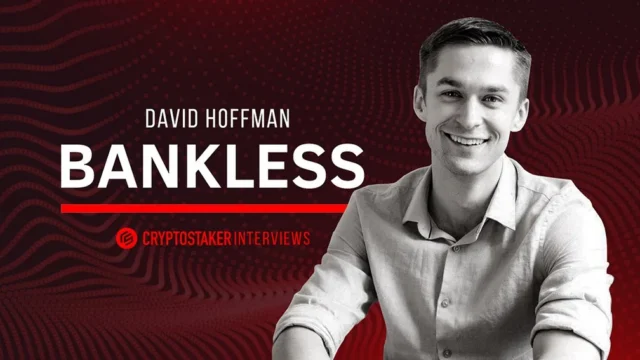
Bankless Co-founder’s ETH-to-LIT/ZEC Pivot Sparks Debate as Assets Surge Up to 369%
TREE NEWS reports: In a move that has reignited discussions about crypto influencer market impact and the ethics of public portfolio disclosures, Bankless co-founder David Hoffman publicly sold his Ethereum (ETH) holdings in May and rotated the capital into a basket of alternative assets including LIT, ZEC, NEAR, and VVV. The strategy has paid off handsomely so far, with LIT and ZEC posting gains of up to 369% and 150%, respectively, since the switch.
News Summary
David Hoffman, a prominent figure in the Ethereum ecosystem and co-founder of the popular Bankless podcast, announced in May that he had exited his ETH position to fund purchases of privacy coin Zcash (ZEC), the Lit Protocol token (LIT), NEAR Protocol (NEAR), and the VVV token. The disclosure was met with criticism from some community members who accused Hoffman of abandoning Ethereum’s ethos, while others praised his willingness to explore undervalued sectors. Now, with LIT surging over 369% and ZEC up 150%, the debate has shifted to whether Hoffman’s public callouts are a form of market manipulation or simply astute investing.
Industry Analysis
The episode highlights the growing influence of crypto personalities on token prices. When Hoffman publicly revealed his allocations, it likely contributed to increased trading volume and speculative interest in the mentioned assets. This raises questions about the responsibility of influencers when they disclose their portfolios, as their words can move markets significantly, especially in smaller-cap tokens like LIT and VVV.
From an investment perspective, Hoffman’s pivot away from ETH—a large-cap asset with relatively stable returns—towards higher-risk, higher-reward plays reflects a broader trend among sophisticated investors seeking alpha in a maturing bull market. Privacy coins like ZEC have seen renewed interest due to regulatory pressures on other privacy protocols, while Lit Protocol’s focus on decentralized access control may appeal to the growing Web3 infrastructure narrative.
However, critics argue that such moves by prominent figures could create a ‘pump and dump’ dynamic, where retail investors FOMO into these assets after the influencer has already taken a position. The lack of transparency regarding Hoffman’s entry and exit prices compounds these concerns.
Forward-Looking Perspective
As the crypto market evolves, the line between content creation and fund management is blurring. Influencers who openly trade may need to consider implementing clear disclosure policies or even entering into regulated advisory frameworks to avoid potential legal pitfalls. For investors, this case serves as a reminder to conduct their own research rather than blindly following public figures.
Meanwhile, the strong performance of LIT and ZEC suggests that market participants are rewarding projects that offer unique value propositions beyond the dominant smart contract platforms. If Hoffman’s portfolio continues to outperform, it could encourage other influencers to share their strategies, further intertwining social media and market dynamics.