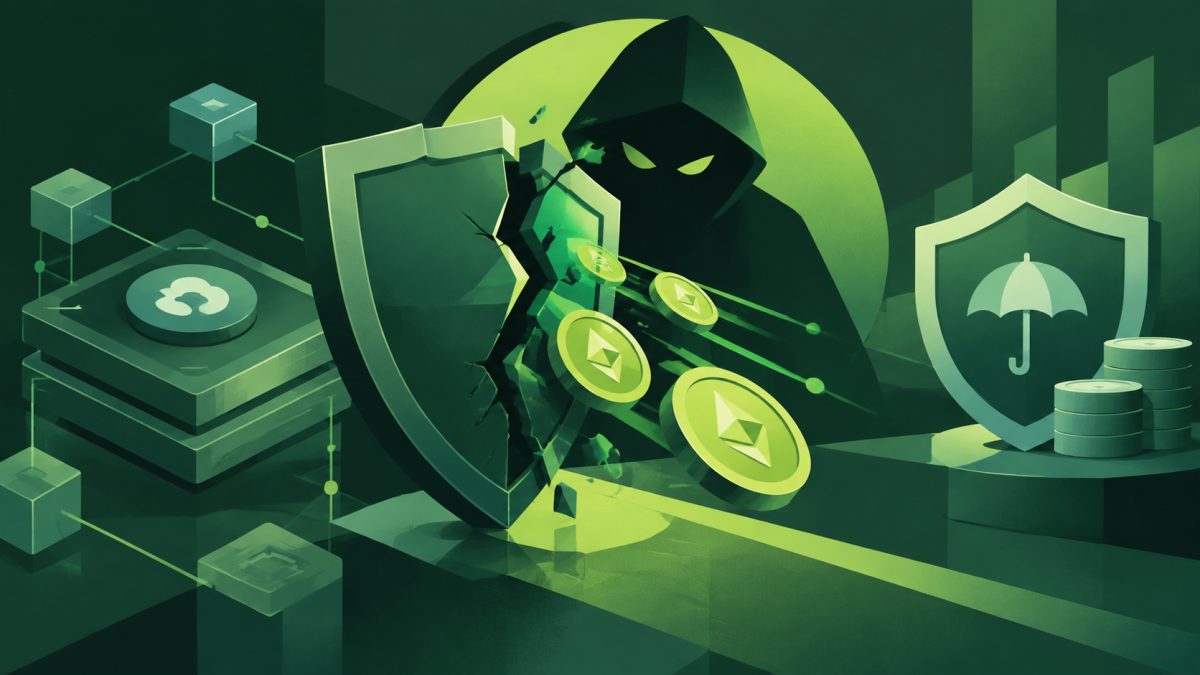
Cozy Finance Exploit Drains $170,000 on Optimism — A Second Blow to DeFi Insurance
TREE NEWS reports: Cozy Finance, a decentralized finance (DeFi) insurance protocol, has suffered another exploit, this time losing approximately $170,000 on the Optimism network. The attack marks the second successful breach of the platform in 2025, following a $427,000 loss earlier in the year. The repeated incidents raise serious questions about the security and viability of DeFi insurance models.
What Happened?
The attacker exploited a vulnerability in Cozy Finance’s smart contract on Optimism, draining funds from its coverage pools. The protocol, which allows users to purchase protection against smart contract risks and other DeFi hazards, has not yet released a full post-mortem. However, the exploit appears to have targeted a specific market or product, similar to the first attack in January 2025.
Cozy Finance had previously reimbursed affected users after the initial exploit, but this second breach will likely test the protocol’s resilience and its community’s trust. The total losses now exceed $597,000, a significant sum for a protocol that aims to protect others from financial loss.
Industry Implications
This incident underscores a paradox at the heart of DeFi insurance: the very protocols designed to mitigate risk are themselves vulnerable to exploits. If insurance platforms cannot guarantee their own security, users may question their value proposition. The repeated nature of the attacks suggests that Cozy Finance’s codebase or operational security has fundamental flaws that have not been adequately addressed.
Moreover, the exploit highlights the broader challenge of smart contract security in DeFi. Even with audits and bug bounties, vulnerabilities can remain undetected, and attackers are becoming increasingly sophisticated. For the DeFi insurance sector, this could lead to higher premiums, stricter underwriting, or a shift toward more decentralized and transparent risk assessment models.
Forward-Looking Perspective
In the short term, Cozy Finance will need to conduct a thorough investigation, patch the vulnerability, and decide whether to compensate affected users. The protocol may also face regulatory scrutiny if it fails to protect consumer funds adequately.
Long-term, this event could spur innovation in DeFi insurance, such as the use of formal verification, decentralized security audits, or parametric insurance models that reduce reliance on smart contract logic. It may also encourage users to diversify their coverage across multiple protocols and to demand more rigorous security practices.
As the DeFi ecosystem matures, incidents like this serve as a stark reminder that security is not a one-time effort but an ongoing process. The industry must learn from these failures to build more robust and trustworthy financial infrastructure.