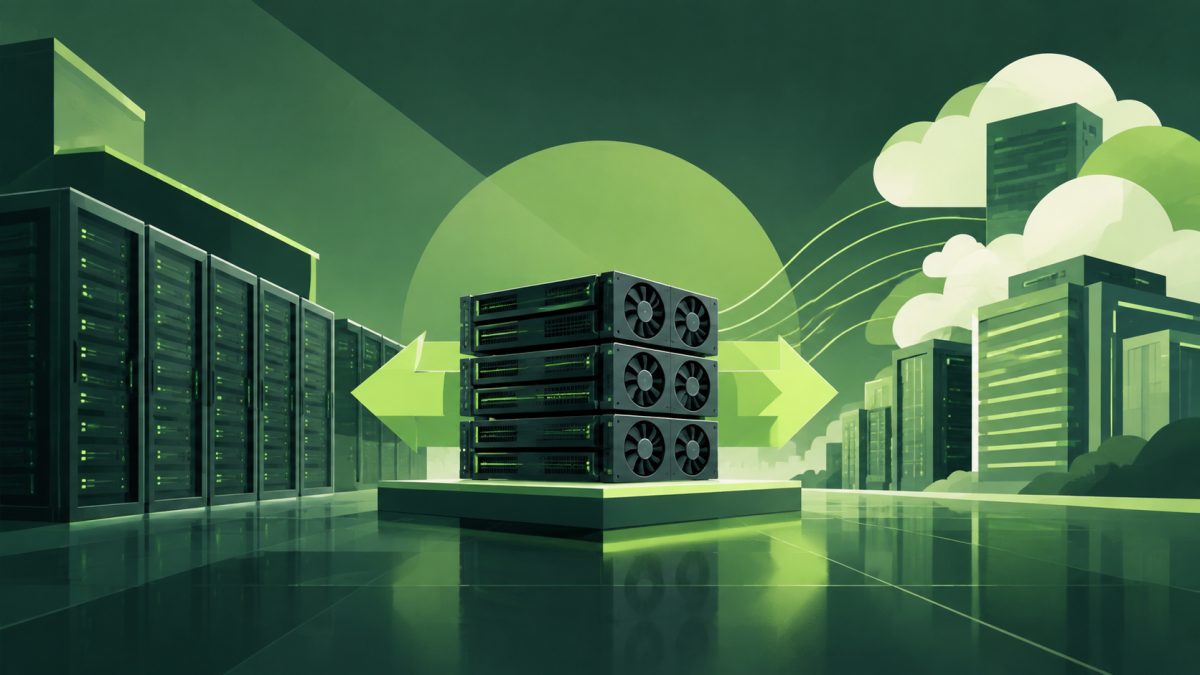
Power Shift in AI Data Center Negotiations
TREE NEWS reports: In a notable reversal of fortune, AI data center operators such as CoreWeave, Nebius, and Nscale are gaining significant bargaining power in lease negotiations with hyperscale cloud providers like Microsoft and Google. Historically, these cloud giants dictated terms, leveraging their capital strength and credit ratings to impose strict service-level agreements (SLAs) and favorable payment structures. However, as demand for Nvidia’s AI servers skyrockets and cloud providers race to deploy capacity, the balance of power has shifted. The Information reported on September 7 that contract terms are now tilting in favor of data center operators, reshaping the entire AI infrastructure supply chain.
Market Impact Analysis
Stocks: AI Infrastructure and Cloud Players
The shift in negotiating power is a double-edged sword for investors. On one hand, data center REITs and operators like Equinix and Digital Realty, as well as emerging players such as CoreWeave (if it goes public), stand to benefit from improved lease terms, higher pricing power, and stronger credit support from chipmakers. On the other hand, hyperscalers like Microsoft, Google, and Amazon may face rising costs and tighter contract flexibility, potentially squeezing margins in their cloud divisions. Investors should watch for any commentary on data center costs in upcoming earnings calls.
Bonds: Credit Implications
The involvement of Nvidia and AMD as credit guarantors for data center leases is a significant development for credit markets. By providing up to 15-year credit support, chipmakers are effectively backstopping the debt of data center operators, reducing default risk and potentially lowering borrowing costs for these companies. This could lead to tighter credit spreads for AI infrastructure debt and open the door for more investment-grade issuance in the sector. However, it also concentrates risk on Nvidia’s and AMD’s balance sheets, a factor credit rating agencies may scrutinize.
Crypto and Commodities
While not directly linked to cryptocurrency, the AI data center boom has indirect effects on energy commodities. The report highlights extreme electricity price volatility—up to 400% within a month—and growing power shortages. This could drive up natural gas prices and benefit energy suppliers, but also raises operational costs for crypto miners who compete for the same power resources. In the long run, increased competition for electricity may force miners to relocate or adopt more efficient technologies.
Currencies: Limited Direct Impact
The primary currency impact is indirect, through shifts in capital flows. As AI infrastructure investments surge, countries that are hubs for data centers (e.g., the US, Ireland, Singapore) may see increased foreign direct investment, potentially supporting their currencies. Conversely, energy-importing nations facing higher electricity costs could see current account pressures.
Why This Matters for Investors
This power shift signals a maturing AI ecosystem where infrastructure scarcity is becoming a key bottleneck. For investors, the implications are clear: data center operators now have pricing power, chipmakers are increasingly intertwined with infrastructure financing, and hyperscalers face cost headwinds. The report also suggests that AI compute is becoming more distributed, with Nvidia CEO Jensen Huang advocating for decentralized AI processing—a trend that could benefit edge computing and smaller data center providers. As the industry evolves, investors should monitor contract terms, electricity costs, and the financial engineering behind AI infrastructure, as these factors will influence profitability across the tech sector.