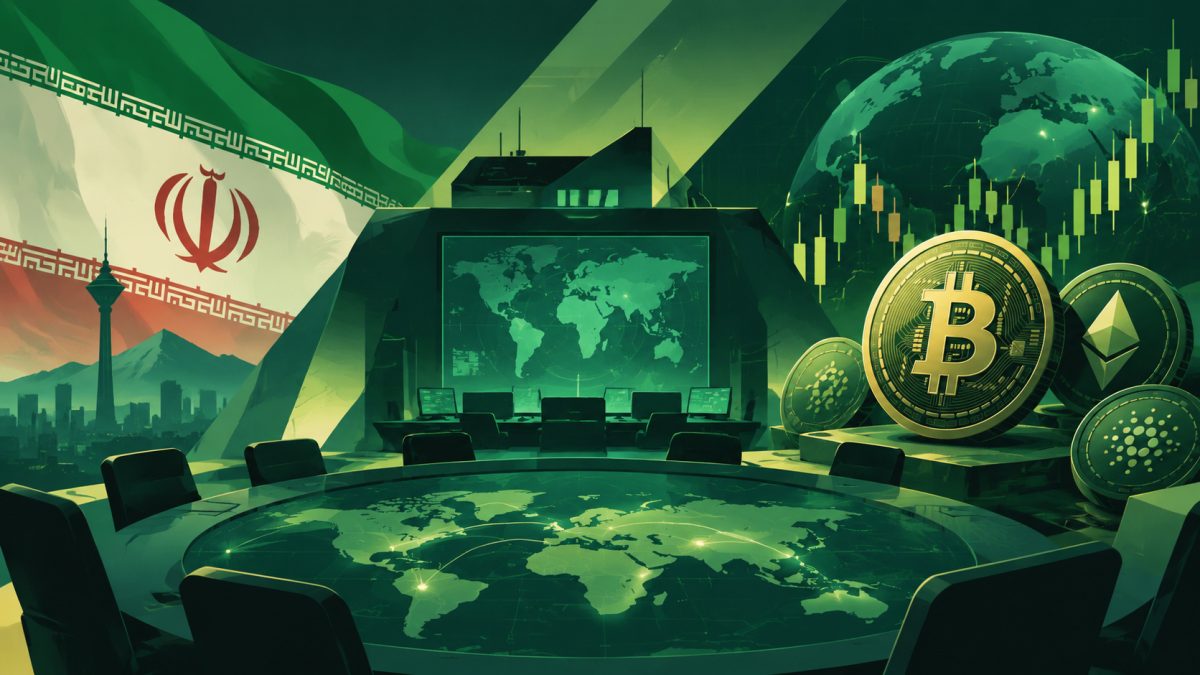
Iran Establishes Economic War Command Center
TREE NEWS reports: The Iranian Ministry of Economic Affairs and Finance has set up an ‘Economic War Command Center’ to centrally assess and address economic disruptions caused by ongoing geopolitical tensions, as announced by Deputy Minister Morteza Zamani. The center will initially focus on issues within the ministry’s purview, including impacts on businesses, trade, and financing, and will coordinate cross-departmental responses for broader challenges.
Immediate Implications
This move signals Tehran’s deepening concern over the economic fallout from prolonged sanctions and regional conflicts. The command center’s mandate—identifying operational obstacles and proposing actionable solutions—reflects a state-level response to what it frames as economic warfare, a term that underscores the severity of current pressures.
For global markets, the development adds another layer of geopolitical uncertainty. Iran’s economy, already strained by sanctions, faces rising inflation and currency depreciation. The establishment of this body could lead to more state intervention in trade and finance, potentially affecting oil exports and regional supply chains.
Crypto and Blockchain Angle
While not explicitly mentioned, the command center’s focus on financing and trade barriers may prompt Iranian entities to further explore digital assets as a sanctions workaround. Historically, Iran has shown interest in state-sanctioned crypto mining and has discussed a national digital currency. The new command structure could accelerate such initiatives, potentially increasing crypto adoption in a sanctioned economy.
However, this also raises regulatory concerns. International watchdogs may scrutinize any blockchain-based financial flows from Iran, and crypto exchanges might face heightened compliance pressure to avoid facilitating sanctioned transactions.
Forward-Looking Perspective
Analysts expect the command center to intensify Iran’s efforts to diversify trade partners and financial channels. For the crypto industry, the key question is whether this leads to more transparent, regulated state-backed digital currency projects or to opaque, sanctions-evasion networks. The latter would likely draw stricter global enforcement, while the former could offer a template for other sanctioned nations.
Markets should monitor Iran’s next steps, particularly any announcements regarding digital currency pilots or crypto mining regulations. The interplay between geopolitical stress and digital asset innovation will remain a critical theme.