US Accuses Chinese AI Firms of Model Distillation; Beijing Hits Back
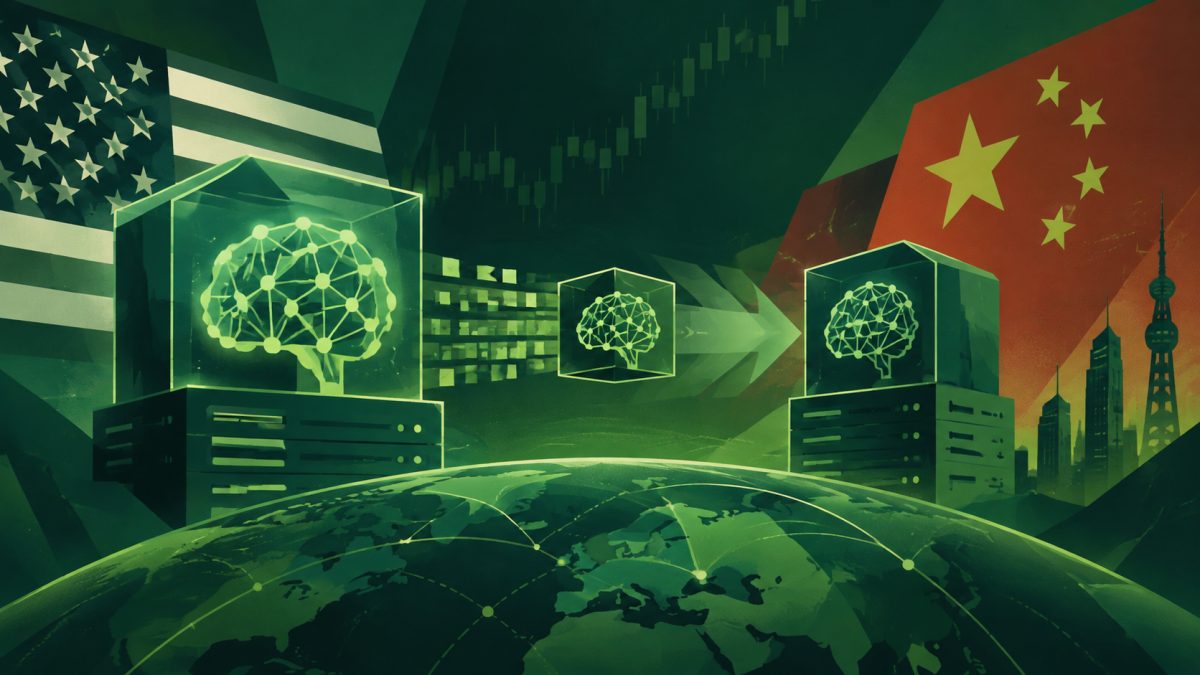
TREE NEWS reports: In a sharp escalation of US-China tech tensions, the NSA and two other US agencies issued a joint statement alleging that six Chinese AI companies have been ‘distilling’ American AI models without authorization, extracting proprietary knowledge. Responding to a question from AFP at a regular press briefing, Chinese Foreign Ministry spokesperson Mao Ning rejected the accusations, calling them ‘unfounded’ and urging Washington to refrain from ‘inappropriate accusations and smearing.’
Industry Analysis
The US allegations target a common practice in AI development where smaller models are trained using outputs from larger, more capable models (often called ‘distillation’). While technically similar to legitimate techniques, US officials claim the Chinese firms went further, reverse-engineering and extracting proprietary knowledge from American models, potentially violating trade secrets and export controls.
For the crypto and Web3 sectors, this dispute carries significant implications. Many AI-focused crypto projects rely on open-source models and decentralized training networks. A tightening of cross-border AI data flows could impact projects that tokenize AI data or compute, potentially restricting access to certain datasets or models. However, it could also accelerate the push for truly open and verifiable AI infrastructure, a niche that blockchain technology is well-positioned to fill.
From a macroeconomic perspective, this is another front in the broader US-China rivalry. The dispute adds to the narrative of technological decoupling, which has implications for global supply chains, investment flows, and the future of innovation. China’s stance emphasizes its own achievements and the importance of open cooperation, framing the US accusations as an attempt to hinder its progress.
Forward-Looking Perspective
Expect this issue to remain a flashpoint in US-China relations. While the immediate impact on crypto markets is likely muted, the underlying tension could lead to further restrictions on technology sharing, affecting global AI and blockchain projects. The response from Beijing suggests a willingness to engage in a war of words, but both sides may still seek to delineate clear boundaries in the AI sector to avoid a complete breakdown in collaboration. For businesses operating at the intersection of AI and crypto, monitoring these regulatory developments will be crucial for navigating the evolving landscape.



