Google Commits €13 Billion to Finnish AI Infrastructure
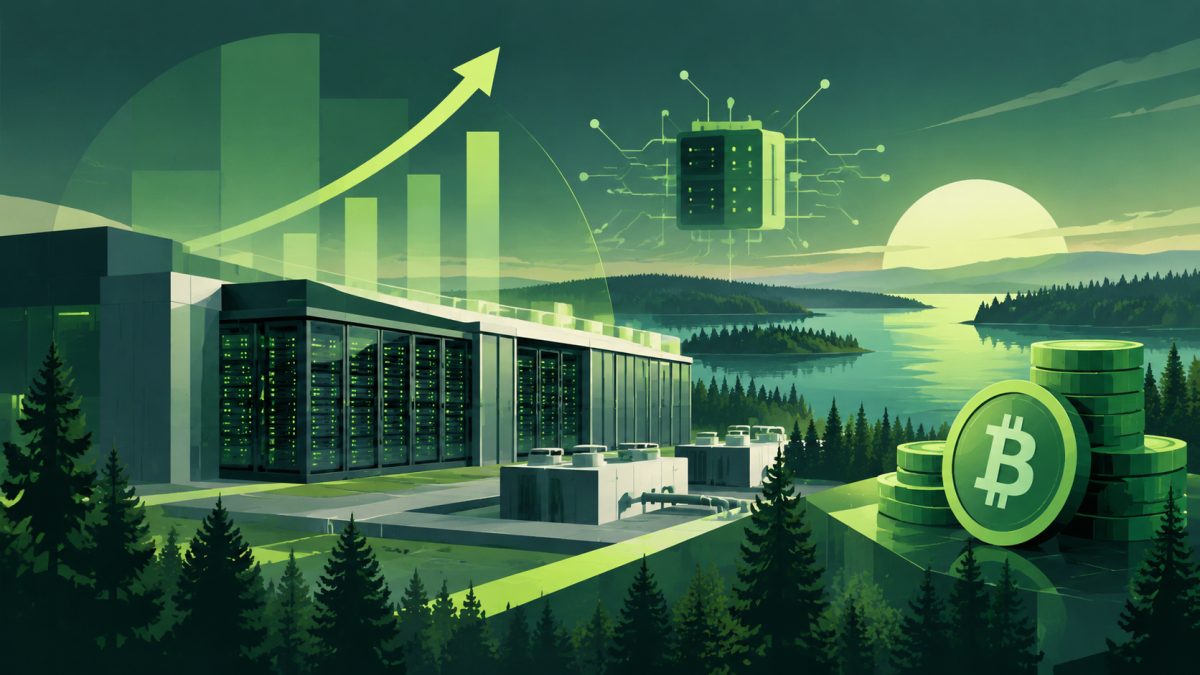
TREE NEWS reports: Alphabet’s Google announced plans to invest at least €13 billion (approximately $15.1 billion) in Finland over the next two years, marking its largest-ever investment in Europe. The capital will fund the construction of at least three new data centers in the southeastern city of Hamina, alongside expansion of existing facilities, to bolster its global AI infrastructure footprint.
Strategic Rationale: Energy and Geopolitics
Finland offers two critical advantages for AI data centers: abundant renewable energy and a stable geopolitical environment. The country’s Nordic grid relies heavily on hydro, wind, and nuclear power, aligning with Google’s 24/7 carbon-free energy goals. Moreover, as European regulators push for digital sovereignty, onshoring compute capacity within the EU reduces latency and compliance risks. The Hamina site, already one of Google’s largest data center campuses globally, benefits from the Baltic Sea’s cooling waters and existing fiber connectivity.
Implications for the Crypto and Blockchain Ecosystem
While this investment is primarily a hyperscaler play, it carries significant implications for decentralized compute networks and crypto miners. As AI demand skyrockets, traditional cloud prices are rising, making decentralized GPU marketplaces (e.g., Render, Akash) increasingly competitive. However, Google’s scale also threatens to tighten energy markets, potentially raising power costs for proof-of-work miners in Northern Europe. Conversely, the infrastructure buildout could create opportunities for blockchain-based energy trading and carbon credit tokenization, as data centers seek to optimize renewable procurement.
Forward-Looking Perspective
Google’s move underscores a broader trend: Big Tech is outspending even sovereign nations in AI infrastructure. For the crypto sector, this signals both a tailwind—growing demand for verifiable, decentralized compute alternatives—and a headwind, as hyperscalers dominate access to cheap energy and capital. Over the next two years, expect intensified competition for Nordic energy resources, potentially driving up electricity prices and prompting miners to relocate or adopt more flexible load-balancing strategies. Meanwhile, the convergence of AI and crypto infrastructure may accelerate, with blockchain-based verification of AI compute becoming a premium service. The Finnish investment is not just a corporate expansion—it is a bellwether for the global compute race that will shape both the AI and blockchain industries.



