Google Commits €13B to Finnish AI Infrastructure by 2028
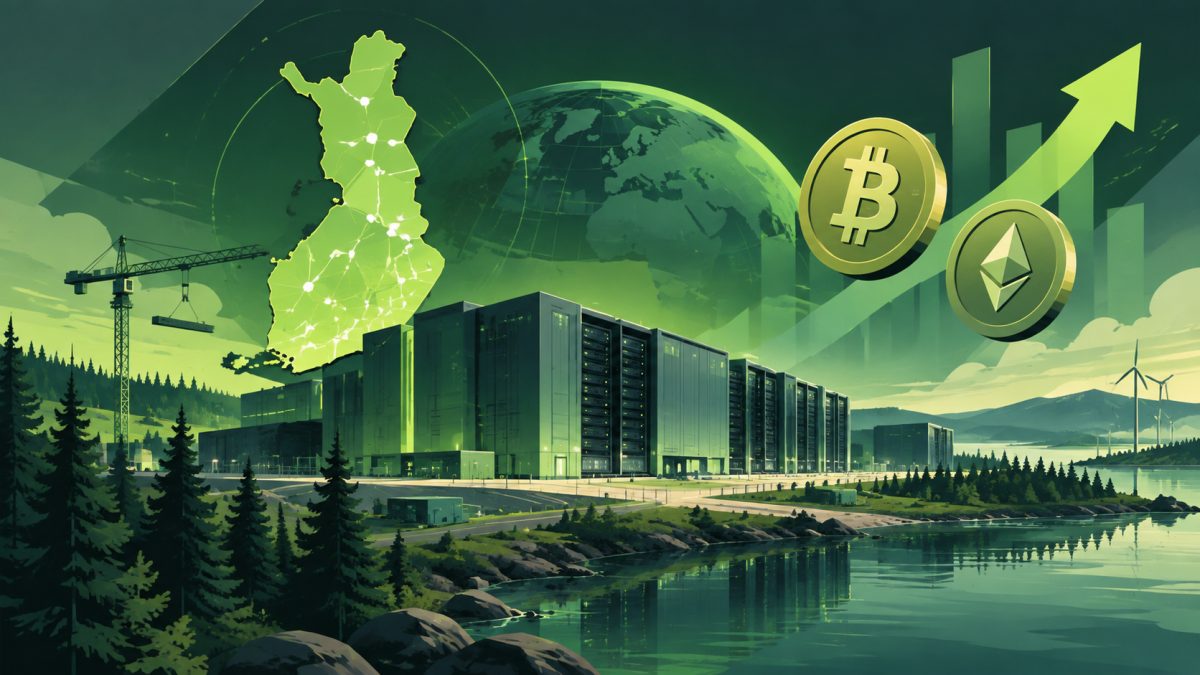
TREE NEWS reports: Google plans to invest at least €13 billion in artificial intelligence infrastructure in Finland between 2027 and 2028. The massive outlay underscores the escalating global competition for AI compute capacity and its growing intersection with digital asset markets.
Industry Analysis: Energy, Data Centers, and the Crypto Connection
The investment targets Finland’s abundant renewable energy and cool climate—ideal for power-hungry data centers. For the crypto sector, this is a double-edged sword. On one hand, AI and crypto mining share infrastructure needs: energy access, cooling, and grid capacity. Google’s entry could crowd out smaller players, including Bitcoin miners, from desirable locations. On the other hand, it validates the business case for large-scale digital infrastructure, potentially boosting demand for tokenized energy credits or decentralized compute networks that compete with hyperscalers.
Finland’s position as a Nordic energy hub makes it a strategic choice. The country already hosts significant crypto mining operations due to cheap hydro and wind power. Google’s commitment may drive up electricity prices in the short term, but it also signals long-term stability for the region’s grid—a factor that could attract more institutional capital to Finnish energy-backed token projects.
Forward-Looking Perspective
This investment is part of a broader trend: Big Tech is spending hundreds of billions on AI, creating a ripple effect across energy markets and digital infrastructure. For crypto, the key question is whether decentralized GPU networks and compute marketplaces can carve out a niche against centralized giants. Google’s scale suggests that AI compute will remain dominated by hyperscalers in the near term, but the demand for verifiable, on-chain compute may grow as AI agents become more autonomous.
Investors should watch for increased M&A in energy infrastructure, potential regulatory scrutiny over data center power consumption, and the emergence of hybrid models where crypto incentives are used to optimize grid usage. The Finland project could become a case study in how AI and crypto coexist—or collide—over the next decade.



