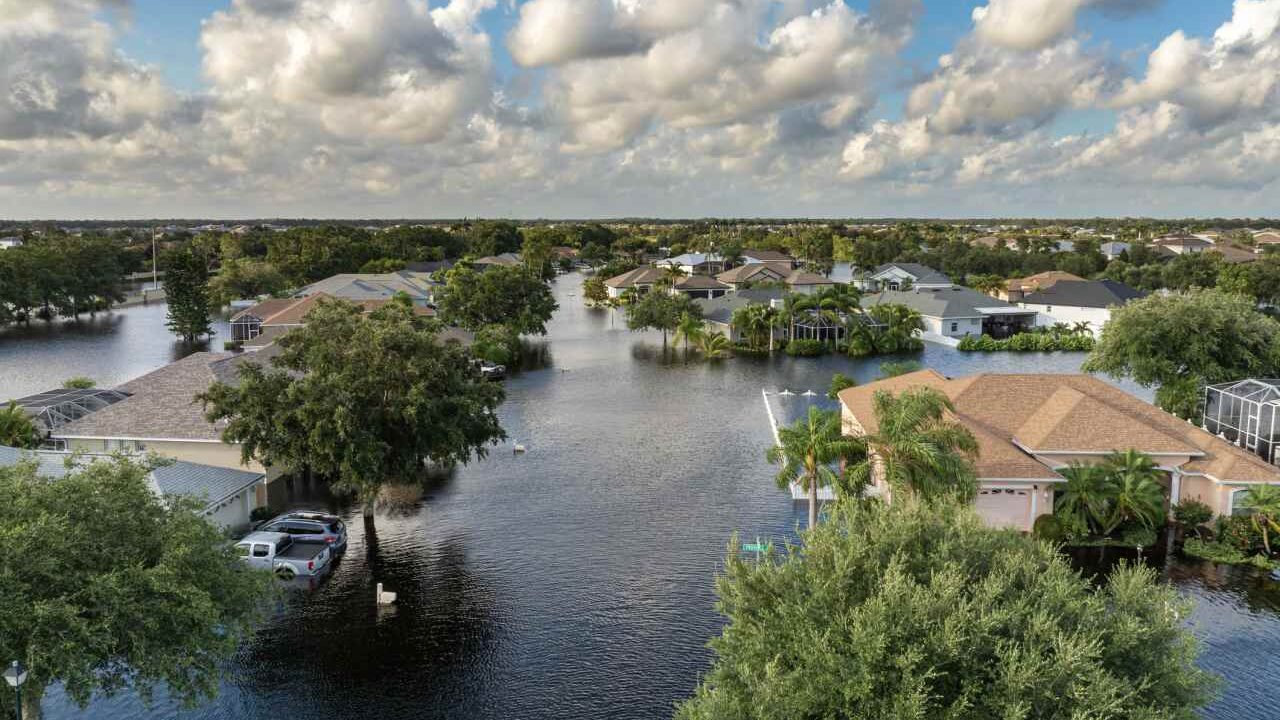
Home-Insurance Premiums Hit Record High as Climate Risk Reprices the Housing Market
TREE NEWS reports: Home-insurance premiums in the United States have climbed to a record high, with the sharpest increases concentrated in regions most exposed to hurricanes, severe convective storms, and wildfires. The surge reflects a structural shift in how insurers underwrite catastrophe risk: after several years of above-average disaster losses, carriers are raising rates, tightening coverage terms, and in some markets withdrawing entirely. The result is a rapid repricing of what it costs to own and protect a home — a cost that now feeds directly into household budgets and, increasingly, into asset valuations.
What Happened
Insurers have been recalibrating pricing models as climate-driven losses evolve. Hurricane-exposed coastal states, hail- and tornado-prone parts of the Midwest and Plains, and wildfire-risk zones in the West have seen the largest hikes. In several states, regulators have approved double-digit rate increases, while some private carriers have paused new policies or exited high-risk markets, pushing more homeowners toward state-backed “insurer of last resort” programs. Those residual pools, in turn, are growing and increasingly undercapitalized relative to the risk they carry.
Why This Matters Beyond Insurance
Insurance is the quiet plumbing of the mortgage market. Lenders require coverage, and rising premiums act like a stealth interest-rate increase for homeowners. In catastrophe-prone metros, the combined cost of mortgage payments, property taxes, and insurance can push affordability past the breaking point, cooling demand and pressuring prices. That dynamic is already visible in parts of Florida, Louisiana, and California, where insurance availability has become a factor in relocation decisions and commercial real estate underwriting.
Market Implications
- Insurers and reinsurers: Primary carriers and global reinsurers with disciplined underwriting and strong capital positions may emerge as relative winners, as they can reprice risk faster than competitors. Conversely, companies with concentrated exposure to coastal or wildfire zones face earnings volatility and reserve risk.
- Housing and REITs: Residential REITs and homebuilders with exposure to high-risk geographies could see softer demand and higher carrying costs. Regional banks with concentrated mortgage books in affected areas face second-order credit risk if insurance costs erode borrower capacity.
- Municipal bonds: Local governments in disaster-prone areas may face higher borrowing costs as investors demand compensation for climate and insurance-related fiscal strain.
- Commodities and construction: Rebuilding demand after major events supports lumber, roofing, and construction materials, though supply chains remain sensitive to repeated shocks.
- Crypto and broader risk assets: The insurance shock is a slow-burn macro theme rather than a direct crypto catalyst. However, to the extent it stokes inflation via housing costs and strains household balance sheets, it reinforces the “higher-for-longer” rate narrative that has historically pressured speculative assets, including digital tokens.
Key Takeaways for Investors
- Climate risk is no longer a distant ESG talking point — it is being priced into insurance, mortgages, and municipal credit today.
- Watch state insurance regulators and residual-market growth as leading indicators of housing stress in exposed regions.
- Underwriting discipline and reinsurance pricing power are the key differentiators among insurance equities.
- For macro portfolios, insurance-driven housing inflation is one more reason to question how quickly central banks can ease policy.