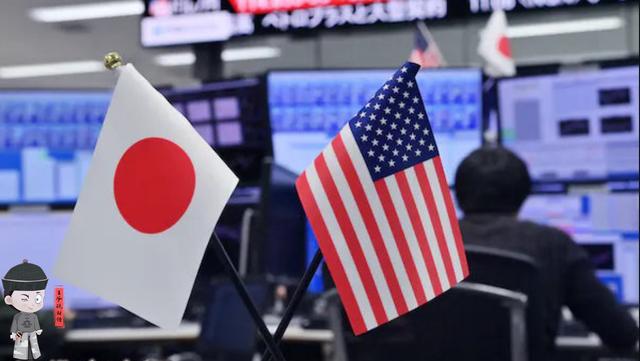
The Trillion-Dollar Carry Trade Is Cracking
The world’s largest and most quietly profitable macro trade — borrowing cheap yen to buy higher-yielding dollar assets — is coming apart at the seams. For decades, Japan’s near-zero interest rates gave global funds a virtually free funding currency, and the resulting yen carry trade grew into a multi-trillion-dollar pillar of global liquidity. Now, as the Bank of Japan normalizes policy and rate differentials compress, that pillar is wobbling.
The scale of the unwind has been staggering. Trillions in notional exposure have been unwound or forcibly liquidated, sending shockwaves through equities, credit, and digital assets. In the middle of this financial retreat, attention has turned to the FIMA (Foreign and International Monetary Authorities) repo facility — a Federal Reserve backstop that lets foreign central banks swap Treasuries for dollars. Markets are treating it as a kind of Dunkirk: an orderly evacuation rather than a rout.
Why Bitcoin and Gold Are the Winners
The two assets that have historically benefited most from monetary stress — gold and bitcoin — are once again outperforming. Gold has pushed toward record highs as central banks diversify reserves away from dollar-denominated debt. Bitcoin, meanwhile, has behaved less like a risk asset and more like a hedge against fiat debasement and cross-border liquidity fragmentation.
- Gold: Central bank buying remains elevated, and the metal is the classic beneficiary of negative real rates and reserve diversification.
- Bitcoin: Its fixed supply and 24/7 global liquidity make it a natural release valve when traditional funding markets seize up.
- The dollar: A stronger dollar paradoxically accelerates the carry unwind by raising the cost of servicing yen-funded positions.
Is FIMA a Rescue or an Exit?
The key question is whether the FIMA facility is a short-term policy tool to stabilize the yen, or the final act of a thirty-year carry trade in orderly retreat. If it is the former, risk assets may find a floor and rally. If it is the latter, the unwind has further to run, and the market’s winners will remain those assets outside the traditional banking and sovereign-debt complex.
Forward Outlook
Investors should watch three signals: the pace of BOJ rate hikes, the trajectory of the US-Japan rate differential, and FIMA usage data. A sustained rise in FIMA drawdowns would suggest foreign authorities are under stress — a scenario that historically favors gold and bitcoin. The FIMA era may not be a rescue at all. It may be the orderly retreat that finally cements hard assets as the winners of the next monetary regime.