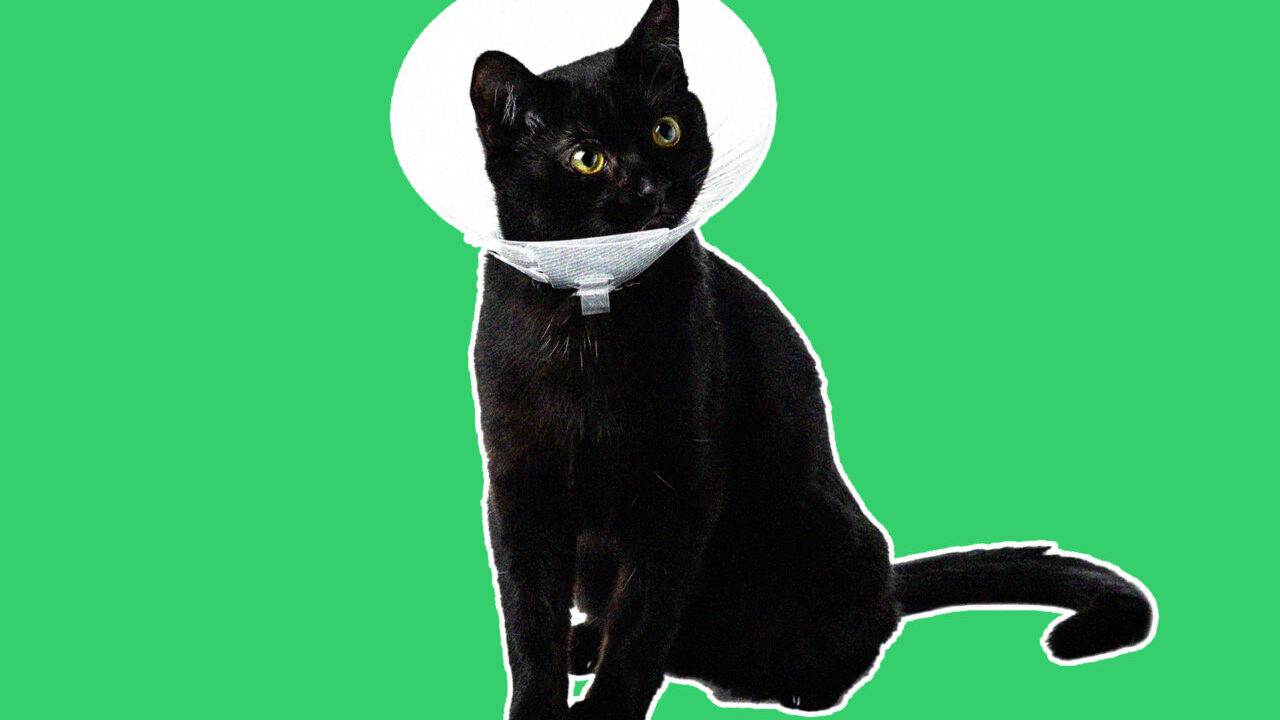
Pet Insurance or Savings Account: What’s the Best Way to Plan for a Big Vet Bill?
TREE NEWS reports: When a pet suffers a sudden illness or injury, the resulting veterinary bill can run into thousands of dollars. A growing number of households are weighing whether to buy pet insurance or set aside cash in a dedicated savings account to cover these costs. The decision has become more pressing as advanced veterinary treatments—ranging from MRI scans to cancer therapy—become more common and more expensive.
Pet insurance works like other indemnity products: owners pay a monthly premium, and the insurer reimburses a portion of eligible vet expenses after deductibles and caps are applied. Savings accounts, by contrast, offer flexibility and no claim process, but the balance may be insufficient if a major emergency occurs early in the pet’s life. The core trade-off is between predictable, small outlays and the risk of a large, unexpected bill.
Market Implications
While this is a personal-finance question, it has broader economic resonance. The pet insurance industry has grown rapidly in recent years, attracting interest from major insurers and private equity firms. Rising premiums reflect higher veterinary costs, which in turn are driven by wage growth, technology adoption, and consolidation among veterinary practices. For investors, the trend signals a durable, fee-based revenue stream that is relatively insensitive to the economic cycle—pet owners tend to prioritize care even when budgets tighten.
At the same time, the savings-account alternative highlights a key macro theme: the value of cash in a higher interest-rate environment. With money market funds and high-yield savings accounts offering yields not seen in over a decade, the opportunity cost of paying insurance premiums has risen. Some households may rationally choose to self-insure, especially if they can earn a real return on earmarked funds.
- Insurance sector: Continued premium growth supports earnings for diversified insurers and specialized pet coverage providers.
- Consumer spending: High vet bills can crowd out other discretionary spending, a subtle drag on household budgets.
- Interest rates: Higher yields make self-insurance more attractive, potentially slowing pet insurance adoption at the margin.
- Veterinary services: Consolidation and price inflation remain key drivers of cost trends.
Why This Matters for Investors
The pet care economy—including insurance, veterinary services, and related products—is a niche but growing segment. Investors looking for defensive, non-cyclical exposure may find opportunities in insurers that underwrite pet policies or in companies that provide veterinary care. However, the rise of self-insurance as a viable alternative could temper growth expectations for pet insurers if interest rates remain elevated.
More broadly, the debate illustrates how household financial decisions are shaped by macroeconomic conditions. When cash yields are high, consumers reassess the value of insurance products that tie up money in premiums. That dynamic can affect pricing, product design, and marketing strategies across the insurance industry.
For now, there is no one-size-fits-all answer. Pet owners must weigh their pet’s age, breed, and health, as well as their own risk tolerance and cash flow. But the choice between insurance and savings is not just a personal one—it reflects the broader economic forces that influence how households manage risk.