A Live TV Meltdown That Exposed AI’s Unstable Core
TREE NEWS reports: Tilly Norwood, billed as the world’s first AI actress, suffered a very public malfunction during an interview with Piers Morgan. Mid-answer, the synthetic performer abruptly switched languages, breaking into Chinese before the feed was cut. The moment, captured on live television, has become a viral case study in the fragility of generative AI systems under real-time pressure.
Why the Glitch Matters for Crypto and AI
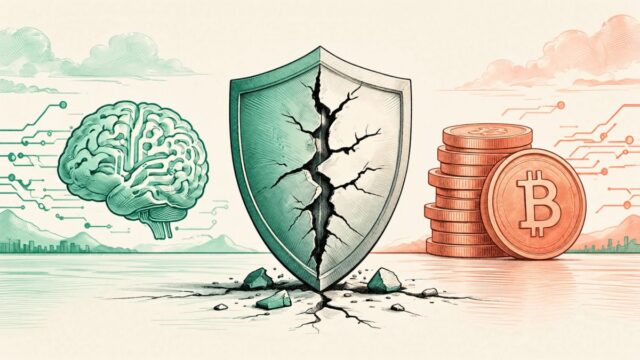
Norwood is not just a novelty. She represents a fast-growing category of AI agents—digital personas powered by large language models, often deployed with tokenized economics. In the crypto world, on-chain AI agents are being pitched as autonomous influencers, customer service bots, and even virtual companions that can hold and spend crypto. Norwood’s failure is a stark reminder: when an AI agent is wired to a wallet or a smart contract, a language glitch is not just embarrassing—it can be financially destructive.
Several crypto projects are building exactly this kind of infrastructure. Decentralized compute networks like Akash and Render provide the GPU power for inference. AI agent frameworks such as Fetch.ai and SingularityNET aim to let autonomous agents transact on-chain. If an agent like Norwood can accidentally switch languages, what stops it from misinterpreting a transaction instruction or leaking a private key? The incident underscores the need for robust guardrails, real-time monitoring, and human override mechanisms—especially when real money is at stake.
The Tokenization Angle
Norwood’s creators have hinted at plans to tokenize her likeness and performances, turning her into a tradeable digital asset. This is where AI meets RWA and crypto in a controversial way. Tokenized AI celebrities could allow fans to share in revenue from virtual appearances, endorsements, or content. But the live glitch raises questions about liability. If a tokenized AI agent goes rogue, who is responsible—the developers, the token holders, or the DAO that governs it? Existing securities and consumer protection laws offer little clarity.
What Comes Next
The incident will likely accelerate demand for AI reliability layers in crypto. Expect to see more projects offering “proof of inference” or “agent attestation”—cryptographic guarantees that an AI acted within its defined parameters. Some may use zero-knowledge proofs to verify that an agent’s output was generated by a specific model version. Others may build staking mechanisms where agents post collateral that can be slashed if they misbehave.
For now, Tilly Norwood remains a cautionary tale. The dream of autonomous AI agents handling crypto transactions is compelling, but the technology is not yet ready for prime time. Until AI can reliably stay on script, handing it the keys to a wallet is a risk few should take.