UN Elevates Blockchain to Digital Public Infrastructure Agenda
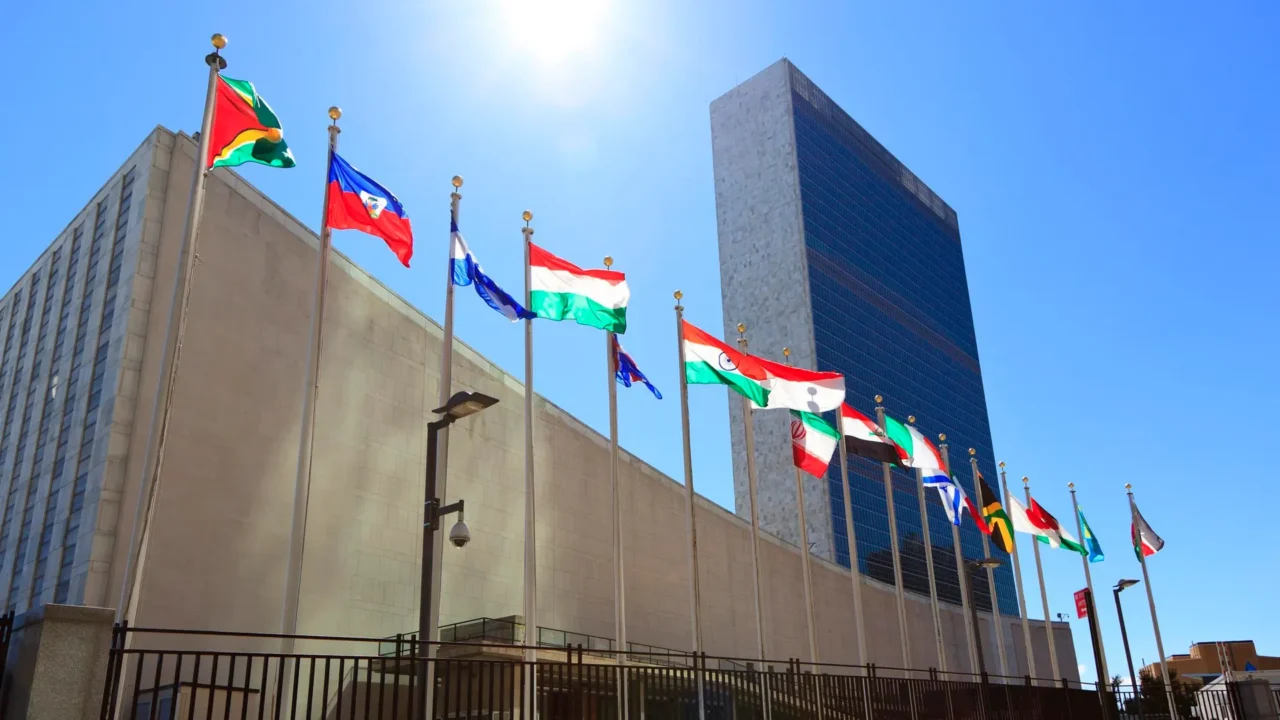
TREE NEWS reports: The United Nations Digital Cooperation Day 2026, held in New York during the General Assembly’s high-level week, hosted a dedicated blockchain and tokenized assets panel for the first time. The session, titled “Blockchain and the Tokenized Future: Sovereign Choices and Protections for Next-Generation Digital Public Infrastructure,” was organized by the UN Office for Digital and Emerging Technologies.
From Speculation to Sovereignty
The panel’s framing marked a notable shift in official discourse. Rather than debating price volatility, participants focused on whether developing nations can embed blockchain tools into their national digital public infrastructure. Paystand CEO Jeremy Almond described Bitcoin as a catalyst for UN Sustainable Development Goals, emphasizing economic autonomy over charitable aid. “Who has the capacity to act” was his central question, arguing that tokenized tools can enable local payment, savings, and circulation loops without relying on bank branches that never reach rural communities.
Pakistan’s delegation underscored the practical stakes. With over 230 million people and limited rural banking penetration, the country faces identity, land registration, and micro-payment bottlenecks that blockchain infrastructure could address. The simultaneous presence of Finance Minister Muhammad Aurangzeb and Virtual Assets Regulatory Authority Chairman Bilal Bin Saqib signaled Islamabad’s intent to shape global rules rather than import frameworks designed for other economies.
Interoperability and Sovereign Choice
Two themes dominated: interoperability and sovereign choice. Panelists stressed that without cross-system connectivity, cross-border settlement, identity verification, and tokenized assets remain isolated silos. Equally important, adoption decisions must remain with individual nations. Licensing logic from Washington or Brussels may not translate to cash-heavy societies with weak banking networks.
Circle founder Jeremy Allaire’s presence brought stablecoins into the conversation. Many governments are likely to engage with fiat-pegged tokenized instruments before determining Bitcoin’s role in reserves, remittances, or retail savings.
Legal Foundations and What Comes Next
The UN’s engagement is not sudden. The 2024 Global Digital Compact incorporated digital public goods and infrastructure into a shared framework. Earlier this year, the Bitcoin Policy Institute participated in UNCITRAL discussions on how trade law defines digital assets and how control constitutes property rights. Without these definitions, tokenized bonds, on-chain invoices, and cross-border collateral struggle to enter enforceable contracts.
The UN has not classified Bitcoin as an official reserve asset, nor advised member states to purchase it. Discussions remain framed around use cases, infrastructure, and risk mitigation—anti-money laundering, consumer protection, and cross-border regulatory arbitrage remain on the agenda.
For markets, a side event changes little in daily pricing. The medium-term signals to watch are threefold: whether national digital infrastructure plans incorporate Bitcoin, stablecoins, and tokenized assets; how far legal frameworks advance on control rights and cross-border recognition; and whether development pilots evolve from white papers into replicable payment and property-registration networks. The entry point has shifted from price charts to policy venues.