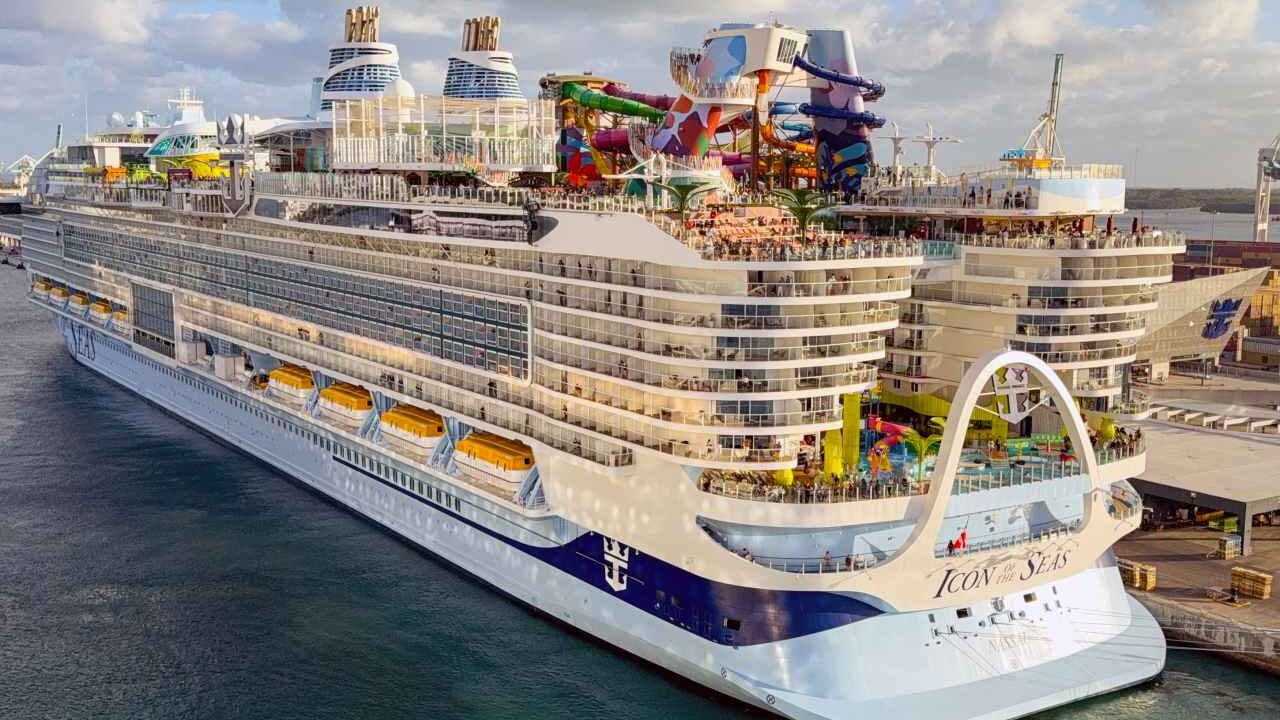
Royal Caribbean Bets on Land: A 50% Stake in Sandals Resorts
TREE NEWS reports: Royal Caribbean Cruises has announced it will take a 50% stake in Sandals Resorts, the Caribbean all-inclusive hospitality brand, in a move that stunned analysts and signals a strategic pivot beyond the open seas. The deal gives the cruise operator direct access to Sandals’ affluent customer base and a footprint in the premium land-based resort market, a segment that has historically operated on different demand cycles than cruising.
The transaction is being described by market watchers as “highly surprising,” given Royal Caribbean’s core business is building and operating mega-ships. By acquiring half of Sandals, the company is effectively diversifying into a complementary but operationally distinct hospitality vertical.
Why Sandals, Why Now?
Sandals dominates the adults-only, all-inclusive Caribbean resort niche, with a customer demographic that skews wealthier and older than the typical cruise passenger. Royal Caribbean has spent years pushing its premium and luxury brands — Celebrity Cruises and Silversea — upmarket. A stake in Sandals accelerates that strategy by capturing high-net-worth travelers who may prefer land-based stays but are open to cruise vacations.
Cross-selling potential is significant. Sandals guests could be funnelled into Royal Caribbean’s luxury sailings, while cruise loyalty members could be offered Sandals packages. The move also hedges against cruise-specific risks such as weather disruptions, health scares, and fuel price volatility.
Market Implications
- Stocks: Royal Caribbean shares could see near-term volatility as investors digest the capital outlay and integration risk. However, if management can demonstrate revenue synergies and cross-selling success, the deal could be accretive to earnings and justify a higher valuation multiple. Peers like Carnival and Norwegian Cruise Line may face pressure to articulate their own land-based or diversification strategies.
- Bonds: Royal Caribbean carries a substantial debt load from the pandemic era. Any large cash outlay for the Sandals stake could raise leverage concerns, potentially widening credit spreads on its bonds. Investors will scrutinize the financing structure — cash, stock, or debt — for clues about the balance sheet.
- Consumer & Travel Sectors: The deal highlights the resilience of premium travel demand. It could lift sentiment for other hospitality and leisure names, particularly those with Caribbean exposure or all-inclusive models.
- Crypto & Commodities: Direct impact is minimal, though a stronger travel sector supports jet fuel demand and broader risk appetite. Crypto markets are unlikely to react unless the deal signals a broader M&A wave that lifts risk assets generally.
Investor Takeaways
This is a strategic diversification play, not a short-term earnings driver. Investors should watch for:
- Details on deal financing and impact on leverage ratios
- Management commentary on cross-selling and revenue synergies
- Whether competitors respond with similar land-based moves
- Execution risk: integrating a hospitality brand is different from running ships
For long-term holders, the deal could unlock a new growth vector and deepen Royal Caribbean’s moat in premium leisure. For traders, the surprise factor may create volatility in the near term. The key question is whether Royal Caribbean can successfully export its operational excellence from sea to land — and whether Wall Street will reward the ambition.