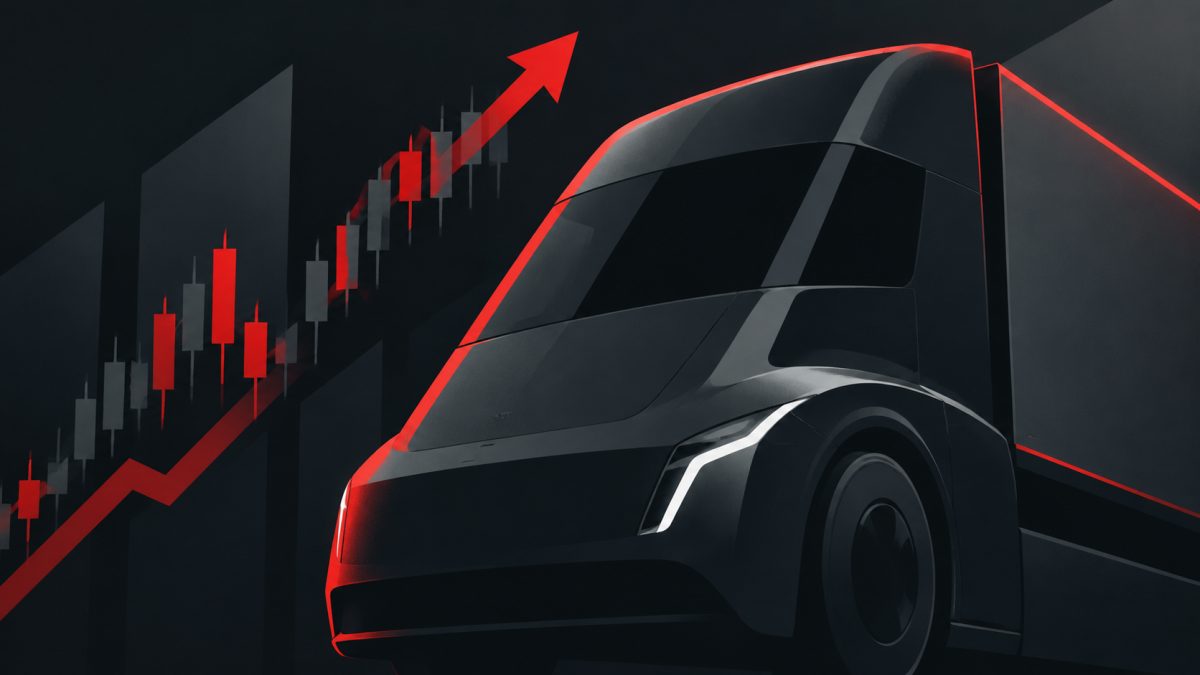
Tesla Semi Finally Enters Mass Production After a Decade of Delays
TREE NEWS reports: Tesla has officially begun mass production of its long-awaited heavy-duty electric truck, the Semi, and kicked off initial customer deliveries this week. The milestone comes nearly a decade after the vehicle was first unveiled as a concept in 2017, following years of repeated delays. At a delivery event held Thursday evening at Tesla’s dedicated Semi factory in Sparks, Nevada, the company confirmed a roster of new and existing customers, including PepsiCo, DHL, US Foods, WattEV, ABF, Einride, IMC, and OK Produce. CEO Elon Musk described the waitlist as “substantial” and encouraged more orders, adding, “We’re very excited.”
Engineering Upgrades and Production Capacity
Tesla says the Sparks facility has an annual production capacity of 50,000 units, or 1,000 trucks per week. The company also announced technical improvements that exceed original targets. Under full load, the Semi achieves a range of 500 miles, and up to 600 miles with lighter payloads. Energy consumption has dropped to approximately 1,700 watt-hours per mile, about 15% below the initial design goal of 2,000 Wh/mi. The truck now uses Tesla’s self-developed 4680 battery cells instead of the 2170 cells used in earlier test versions. The 500-mile figure is based on a fully loaded test, not a lighter-duty cycle, distinguishing it from typical industry claims. The vehicle features an 822 kWh battery pack and requires high-power charging infrastructure. Tesla is building out its Megacharger network, with chargers capable of delivering up to 1.2 megawatts. A live demonstration showed a Semi charging from 3% to 60% in about 30 minutes. By year-end, Tesla plans to have over 30 Semi charging stations with more than 200 megawatt-level chargers.
Market Implications: Execution and Valuation
The news carries significant weight for Tesla’s stock, which fell 1.54% on Friday after opening higher, reflecting investor caution. While the Semi addresses a new segment—heavy commercial vehicles—the market’s reaction suggests skepticism about execution. Tesla is navigating declining sales and reputational challenges, and the Semi’s success is seen as a test of the company’s ability to deliver on promises. The truck’s value proposition hinges on lower total cost of ownership, including cheaper electricity, reduced maintenance, and insulation from volatile diesel prices. As engineering VP Lars Moravy noted, “Oil and diesel prices have historically been volatile. But electricity prices have remained largely stable over the past 20 years.” If Tesla can scale production and charging infrastructure, the Semi could open a lucrative revenue stream and bolster investor confidence. However, any further delays or quality issues could exacerbate doubts about management’s credibility. The broader market impact may extend to traditional truck manufacturers and energy markets, as electrification of freight gains momentum. For now, the focus remains on whether Tesla can translate its technological promises into reliable, high-volume deliveries.
Key Takeaways for Investors
- Execution risk remains high: Tesla has a history of missing deadlines; the Semi’s mass production is a positive step, but delivery ramp and quality will be closely watched.
- New revenue potential: The Semi targets a massive commercial truck market, offering diversification beyond consumer EVs.
- Charging infrastructure is critical: The Megacharger network buildout must accelerate to support fleet adoption.
- Cost advantage: Lower operating costs versus diesel could drive fleet conversions, but competition is increasing.
- Stock sensitivity: Near-term price action may remain volatile as investors weigh the Semi’s contribution against broader challenges in Tesla’s core auto business.