THORChain Refuses to Freeze Bitget Hack Funds, Sparking Decentralization Debate
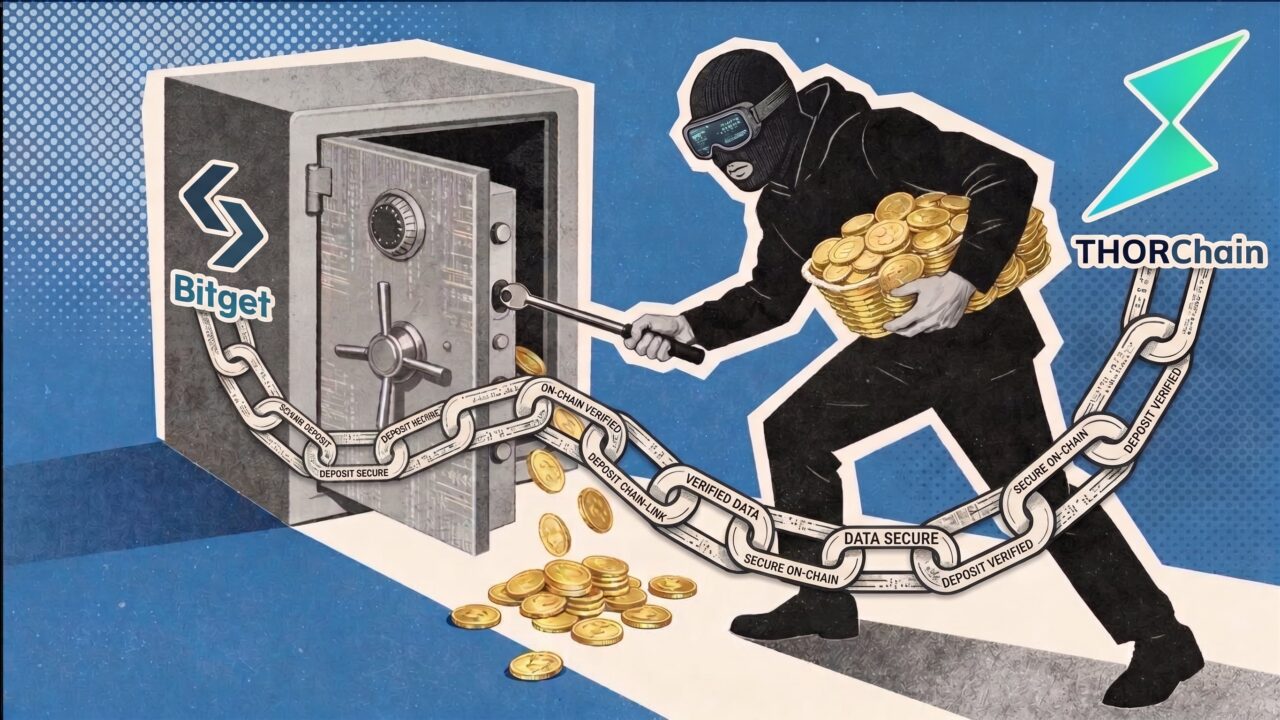
THORChain, a decentralized cross-chain liquidity protocol, has ignited a firestorm in the crypto community by refusing to freeze funds stolen from Bitget, a major cryptocurrency exchange. The decision stands in stark contrast to THORChain’s own actions after suffering a $7.6 million exploit in 2021, when it actively coordinated with stakeholders to recover funds. The move has raised questions about the protocol’s commitment to decentralization and its selective application of “neutrality.”
The Hack and the Refusal
Bitget recently disclosed a security breach involving its wallet services, with losses estimated in the tens of millions. The exchange requested THORChain validators to freeze the stolen assets as they moved through its cross-chain bridges. THORChain declined, citing its core principle of non-interference. “Validators cannot arbitrarily freeze funds,” the protocol stated, emphasizing that such actions would compromise its decentralized ethos.
Yet, in 2021, THORChain faced a similar crisis when it was hacked for $7.6 million. At that time, the protocol’s developers and validators worked together to pause the network and implement a recovery plan, effectively intervening to mitigate losses. This inconsistency has not gone unnoticed.
Technical and Economic Pressures
THORChain’s architecture relies on a network of validators who stake RUNE tokens to secure cross-chain transactions. Freezing funds would require a majority of validators to collude, which is technically feasible but philosophically opposed. However, the protocol’s own recovery in 2021 involved a similar level of coordination, suggesting that the refusal is less about technical impossibility and more about strategic positioning.
Insiders suggest that THORChain’s decision may be influenced by its desire to maintain credibility as a truly decentralized protocol, especially as it competes with other cross-chain solutions like Wormhole and LayerZero. By refusing to intervene, THORChain positions itself as a bastion of neutrality, even if it means alienating major exchanges.
Community Backlash and the Neutrality Paradox
The crypto community is divided. Some praise THORChain for upholding decentralization, arguing that any intervention sets a dangerous precedent. Others accuse the protocol of hypocrisy, pointing to its own recovery efforts. “Decentralization is not a shield for inconsistency,” tweeted one prominent DeFi analyst. The debate underscores a broader tension in DeFi: the boundary between protocol neutrality and security responsibility.
Bitget, meanwhile, has expressed disappointment, stating that it expected more cooperation from a fellow industry player. The exchange is now exploring alternative routes to trace and recover the funds, possibly through legal channels or on-chain analysis firms.
Forward-Looking: The Future of Decentralized Governance
This incident highlights the growing pains of decentralized governance. As cross-chain protocols handle increasing value, they face pressure to act as de facto regulators. THORChain’s stance may set a precedent, but it also risks isolating the protocol from institutional partners. In the long run, the industry may need to develop clearer frameworks for handling stolen funds, balancing decentralization with accountability. For now, THORChain’s “double standard” serves as a cautionary tale about the complexities of building a truly neutral financial system.