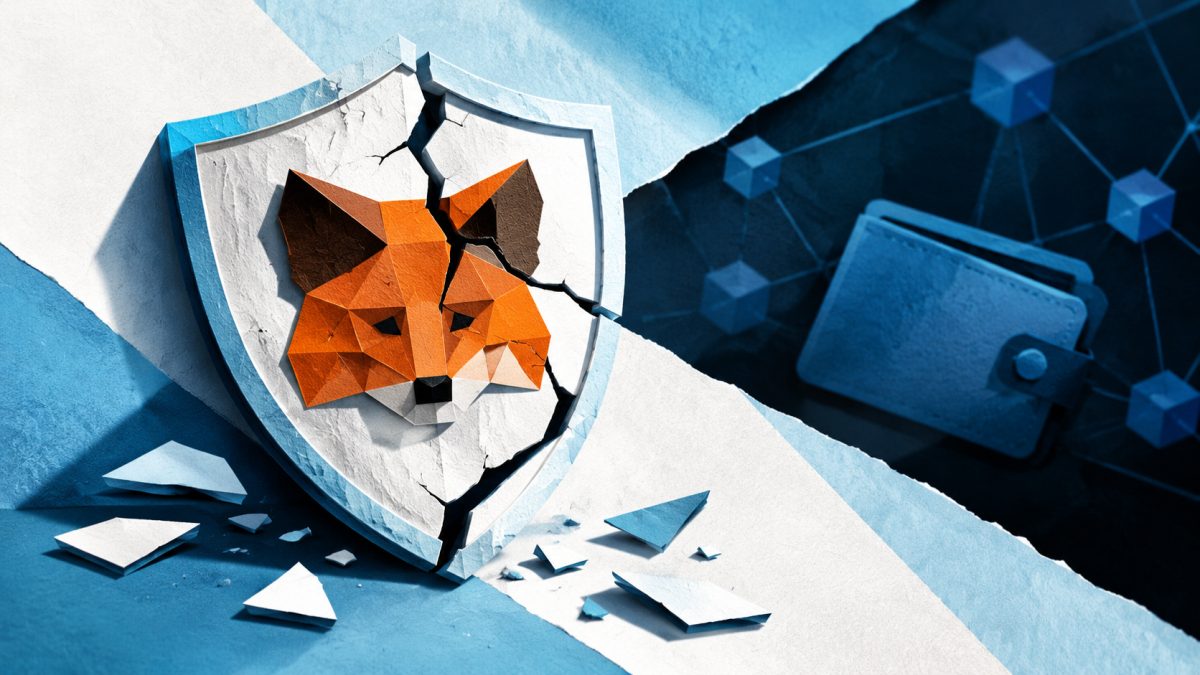
MetaMask Infrastructure Compromised, but Wallets Remain Safe — For Now
TREE NEWS reports: MetaMask, the world’s most widely used self-custodial crypto wallet, has disclosed that parts of its infrastructure are grappling with a security incident. The company stated that it has not yet found any direct threat to MetaMask wallets and is working with external partners and security advisors to remediate the issue. As a precautionary measure, some services may be temporarily affected.
The disclosure, while light on technical details, underscores a growing reality: even the most trusted gateways to decentralized finance are not immune to attacks. MetaMask, developed by ConsenSys, serves over 30 million monthly active users and acts as the primary interface for Ethereum, Layer 2 networks, and a sprawling ecosystem of dApps.
What We Know — and What We Don’t
Details remain scarce. MetaMask has not specified which infrastructure components were impacted, nor the nature of the breach (e.g., API compromise, third-party vendor breach, or internal system intrusion). The wallet’s core private key management — which remains local to users’ devices — appears unaffected. This distinction is critical: self-custody wallets store keys on user hardware, meaning a server-side breach does not automatically expose funds.
However, infrastructure attacks can still cause significant harm. If an attacker compromises MetaMask’s backend services, they could potentially manipulate transaction data, inject malicious smart contract interactions, or phish users through official channels. The incident also raises questions about supply chain security, as MetaMask relies on numerous third-party services for analytics, RPC nodes, and price feeds.
Industry Implications: The Soft Underbelly of DeFi
This event is a stark reminder that DeFi’s security perimeter extends far beyond smart contracts. While the industry has poured billions into auditing protocols and bug bounties, the centralized infrastructure that supports decentralized applications remains a prime target. Recent months have seen a wave of attacks on wallets, bridges, and RPC providers, highlighting that the weakest link is often the connective tissue between users and blockchains.
- Trust in self-custody: Incidents like this can erode user confidence, pushing some toward centralized exchanges — a counterintuitive outcome for a sector built on decentralization.
- Regulatory scrutiny: As wallet providers become critical infrastructure, regulators may demand higher security standards and disclosure requirements.
- Competitive landscape: Rival wallets such as Trust Wallet, Coinbase Wallet, and Rabby may seize the opportunity to emphasize their own security architectures.
Forward-Looking: A Test of Transparency and Resilience
How MetaMask handles this incident will set a precedent. Transparent communication, timely patches, and independent audits will be essential to maintaining user trust. The company has already engaged external security advisors, a positive step. But the crypto community will demand more than reassurances — it will want a detailed post-mortem.
More broadly, this event should accelerate the adoption of decentralized infrastructure alternatives, such as decentralized RPC networks and on-chain identity solutions, reducing reliance on single points of failure. For now, users are advised to remain vigilant: verify official communications, avoid clicking unsolicited links, and consider hardware wallets for large holdings. The incident is a reminder that in crypto, security is not a product but a continuous process.