Dogecoin Enters the Smart Contract Era — Quietly
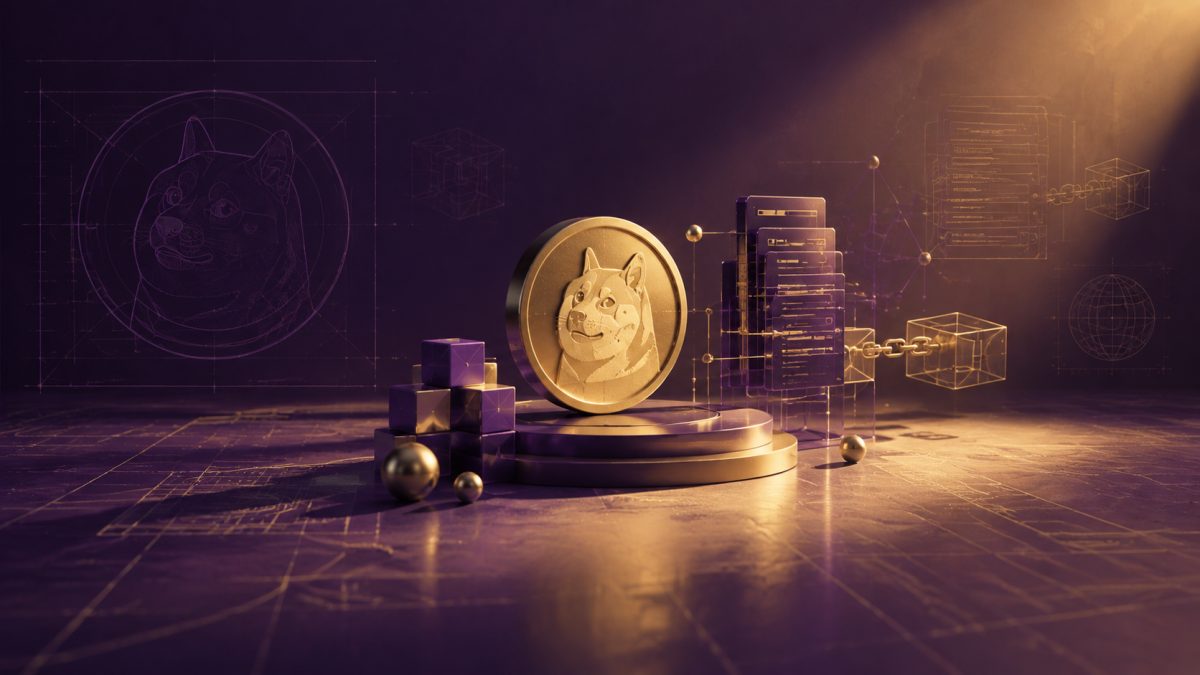
TREE NEWS reports: Dogecoin’s long-anticipated application layer, DogeOS, has officially launched its testnet, marking the first time the meme-origin blockchain can natively support smart contracts and decentralized applications. The upgrade transforms DOGE from a pure peer-to-peer payment coin into a programmable asset capable of powering DeFi protocols, NFT marketplaces, and on-chain apps.
Yet the market’s reaction has been conspicuously muted. DOGE traded largely sideways following the announcement, a response that has puzzled retail traders who expected a price pop on par with past Dogecoin milestones.
What DogeOS Actually Changes
DogeOS is designed as a compatibility layer that sits atop Dogecoin’s base chain, enabling developers to deploy smart contracts without altering the underlying proof-of-work consensus. In practical terms, this means:
- DOGE can now be used as gas and collateral within decentralized applications.
- Builders can launch DeFi primitives — lending pools, DEXs, yield vaults — denominated in DOGE.
- Existing Dogecoin holders gain access to on-chain utility beyond tipping and payments.
The architecture borrows lessons from Ethereum rollups and Bitcoin’s Layer-2 experiments, aiming to preserve Dogecoin’s low fees and fast block times while adding programmability.
Why the Price Isn’t Reacting
Several factors explain the tepid market response. First, testnets are inherently non-production environments; real economic activity only arrives with mainnet deployment. Second, the broader altcoin market remains liquidity-constrained, with capital rotating toward Bitcoin and a handful of large-cap names. Third, Dogecoin’s holder base is heavily retail-driven and historically reacts to social catalysts — Elon Musk posts, exchange listings — rather than technical roadmaps.
Analysts also note that smart contract capability is now table stakes across the industry. Competing chains like Solana, Base, and Sui already offer mature app ecosystems, so DogeOS must prove it can attract developers and users, not merely match feature checklists.
Forward-Looking: What to Watch
The real test comes over the next two quarters. Key signals include developer activity on the testnet, the timeline for a mainnet launch, and whether established DeFi protocols commit to deploying on DogeOS. If DOGE-denominated applications begin generating meaningful transaction volume, the token could re-rate on utility rather than sentiment.
For now, Dogecoin’s upgrade is a structural milestone without a speculative catalyst — a reminder that in crypto, technological progress and price action often move on entirely different clocks.