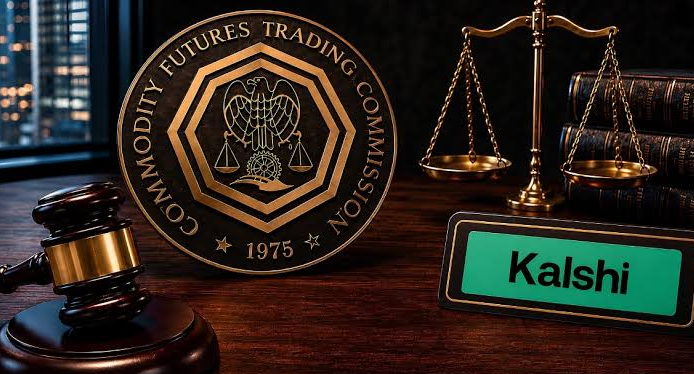
CFTC Investigates Prediction Market Reward Programs
The Commodity Futures Trading Commission (CFTC) has launched an inquiry into trading incentive programs offered by prediction market platforms, with Kalshi reportedly halting certain promotional activities while Polymarket continues to spend millions of dollars daily to sustain liquidity. The probe centers on whether these rewards constitute improper inducements that could lead to wash trading, fake volume, and fraudulent transactions.
The Mechanics of Incentive Programs
Prediction markets like Kalshi and Polymarket allow users to trade contracts on real-world outcomes, from elections to economic indicators. To bootstrap liquidity, both platforms have deployed reward schemes that pay traders for providing quotes or executing trades. Polymarket’s daily outlay reportedly reaches into the millions, a cost of doing business in a competitive landscape where thin order books can deter users.
However, regulators worry that such incentives blur the line between legitimate market-making and manipulative behavior. If users are paid to trade regardless of profit, they may generate artificial volume that misleads other participants about true market interest. In extreme cases, this could amount to wash trading—simultaneously buying and selling to create the illusion of activity—which is illegal in traditional derivatives markets.
Regulatory Implications
The CFTC’s scrutiny signals a broader crackdown on DeFi-adjacent trading venues that operate in a regulatory gray zone. Prediction markets have long argued they provide valuable information aggregation, but the agency’s mandate to protect market integrity and prevent fraud gives it broad authority over any product that resembles a derivative.
- Compliance costs: Platforms may need to redesign reward programs to avoid triggering enforcement actions.
- Chilling effect: Other prediction markets could preemptively scale back incentives, reducing liquidity and user growth.
- Legal precedent: Any settlement or ruling could set standards for how token-based incentives are treated across crypto.
Forward-Looking Perspective
As prediction markets gain mainstream attention, the line between innovative market design and regulatory evasion will be tested. Kalshi’s decision to pause incentives may be a strategic retreat to avoid escalating penalties, while Polymarket’s continued spending suggests confidence in its legal position—or a calculated risk. The outcome will likely influence how all crypto platforms structure user rewards, with compliance teams now forced to weigh growth hacking against the threat of enforcement. Ultimately, the CFTC’s action could accelerate a shift toward more transparent, self-regulated incentive models that align with traditional market conduct rules.