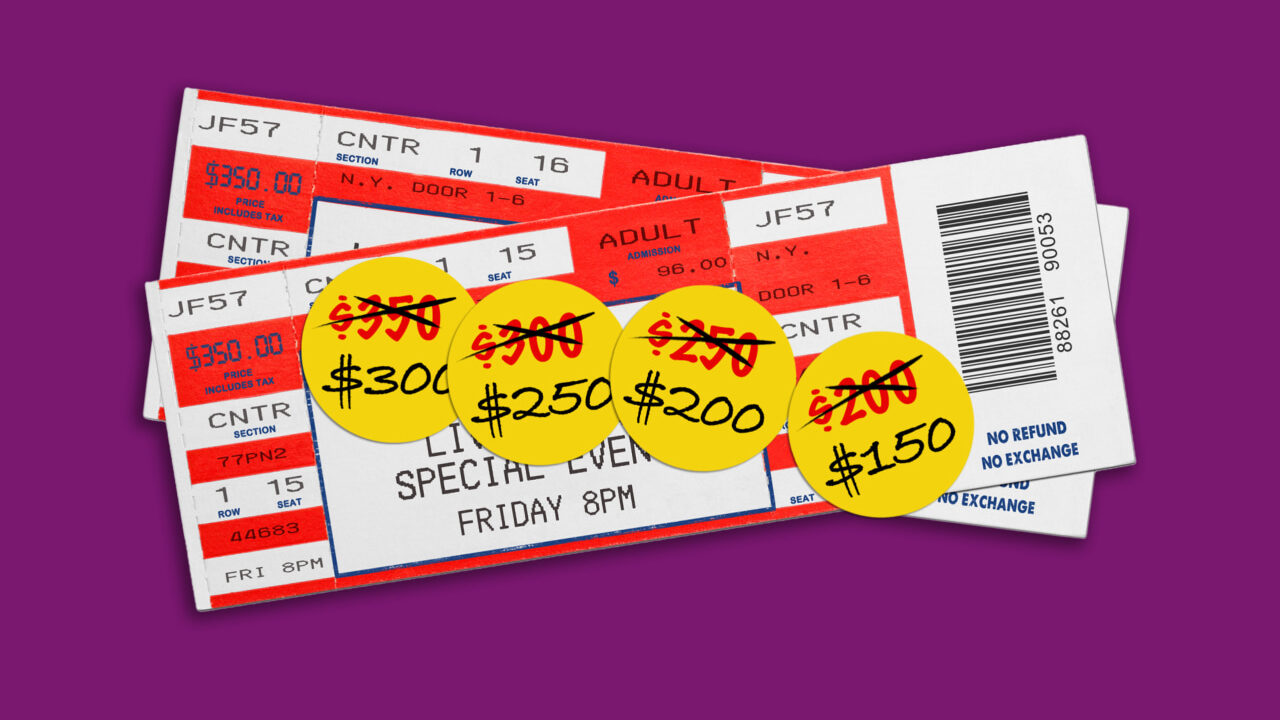
The Hidden Economics of Secondary Markets
TREE NEWS reports: A consumer advice column published this week highlights a common financial dilemma: an individual purchased a $126 concert ticket for a sibling, only to discover the sibling can no longer attend. The purchaser is now facing the reality that reselling the ticket will likely result in a financial loss, noting, “I’m having trouble accepting that I’ll probably lose some money.”
While this scenario appears to be a minor personal anecdote, it serves as a microcosm of the broader economic principles that govern asset markets. The inability to recoup the initial investment reflects the mechanics of secondary markets, liquidity constraints, and the depreciation of assets once they leave the primary issuance phase.
Market Implications: Liquidity and Price Discovery
The plight of the ticket holder is a classic example of an illiquid asset. In the primary market, the ticket had a fixed face value of $126. However, in the secondary market, the price is dictated by supply and demand. Because the event is likely time-sensitive and the pool of potential buyers is limited, the seller loses pricing power. This dynamic is identical to the trading of small-cap stocks or non-fungible tokens (NFTs) during a market downturn.
When liquidity dries up, sellers must accept a “haircut” to exit their position. The difference between the purchase price and the sale price is not just a loss of capital; it is the cost of liquidity. In financial markets, this is known as slippage. The ticket holder is effectively experiencing slippage on a personal scale.
Furthermore, this situation touches on the concept of opportunity cost and sunk costs. The $126 is a sunk cost. The emotional difficulty of accepting the loss often leads individuals to make irrational decisions—such as holding onto the ticket until it becomes worthless or selling at an even lower price out of desperation. Investors face the same psychological trap when holding losing stocks, hoping for a recovery that the market fundamentals do not support.
Broader Economic Context
This anecdote also reflects the current state of discretionary consumer spending. In a high-inflation environment, consumers are more selective about entertainment expenses. If the broader economy is tightening, the pool of buyers willing to pay face value—let alone a premium—for secondary market tickets shrinks. This mirrors the tightening of liquidity in venture capital and real estate markets, where assets take longer to sell and often transact below peak valuations.
For investors, the lesson is clear: assets are only worth what someone else is willing to pay for them at a given moment. The “paper value” of a ticket, a stock, or a house is theoretical until a transaction is executed.
Key Takeaways for Investors
- Liquidity is a premium: Assets that are easy to sell quickly command higher prices. Illiquid assets require a discount to move.
- Sunk costs are irrelevant: Past spending should not dictate future decisions. If the ticket cannot be used, the goal should be to minimize the loss, not to recoup the full amount.
- Secondary market risk: Buying an asset with the intention of reselling it introduces market risk. The resale value is never guaranteed.
- Consumer sentiment indicator: The difficulty in selling discretionary items like concert tickets can be a leading indicator of a slowdown in consumer spending.