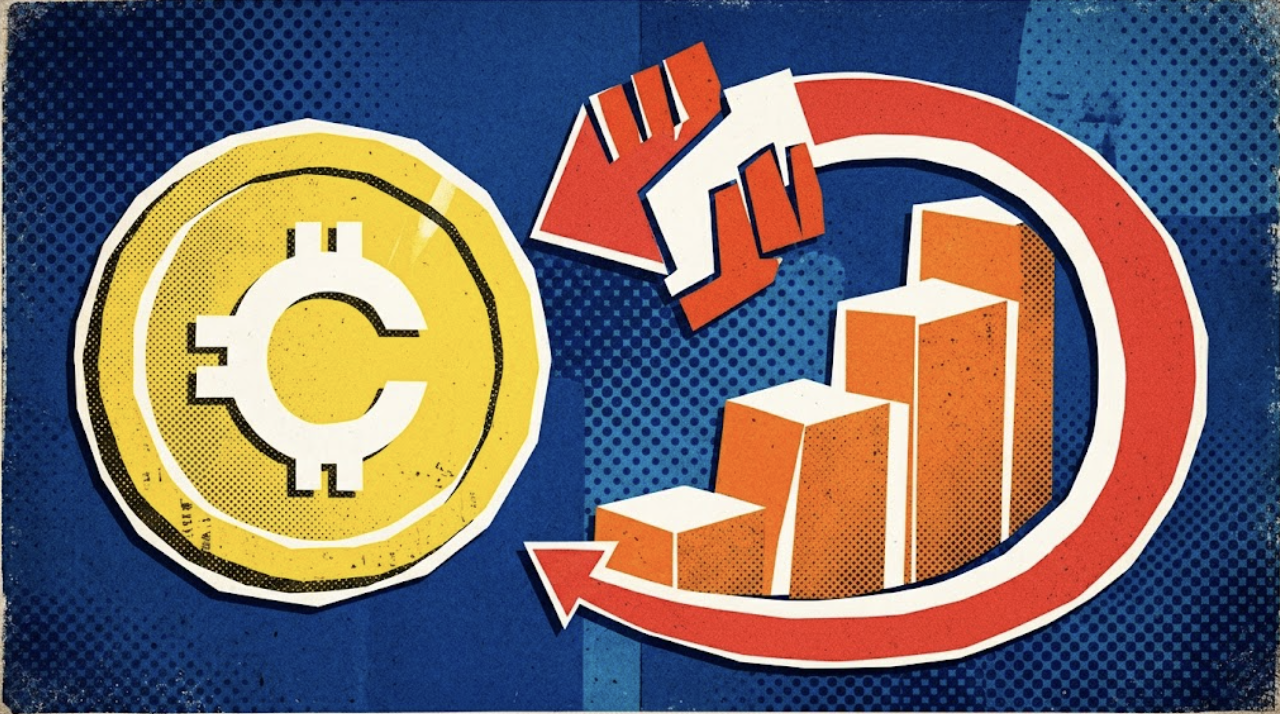
Token Buybacks: Do They Really Benefit Holders?
Across DeFi, a growing number of protocols are funneling treasury revenue into aggressive token buybacks and burns. The pitch is simple: reduce supply, lift price, reward loyal holders. But a closer look at how traditional retailers have used — and abused — share repurchases suggests the strategy can quietly hollow out a protocol’s future.
The Retail Bankruptcy Parallel
Several U.S. retailers that poured cash into buybacks instead of store upgrades, inventory, or debt reduction eventually filed for bankruptcy. The buybacks flattered earnings per share and short-term stock prices while starving the business of the capital it needed to compete. Crypto protocols risk repeating this mistake at machine speed, with treasuries that are far more volatile than a retailer’s cash flow.
Why Crypto Buybacks Are Different — and Riskier
- Safety reserves shrink. Many protocols hold native tokens as their primary treasury asset. Spending them on buybacks reduces the buffer available for audits, bug bounties, insurance funds, and exploit recovery.
- Security budgets get squeezed. Validator rewards, MEV mitigation, and monitoring all cost money. If buybacks crowd out these expenses, attack surfaces widen.
- Development stalls. Grants, integrations, and core contributor salaries are often paid from the same treasury. A buyback-heavy policy can freeze hiring and slow shipping.
- Reflexivity cuts both ways. Buybacks are most aggressive when token prices are high and revenue looks strong — exactly when the treasury is most exposed to a downturn.
When Buybacks Make Sense
Buybacks are not inherently bad. They can be rational when a protocol has:
- Durable, diversified revenue well above operating costs
- A treasury large enough to fund years of development and security
- Clear governance guardrails capping buyback spend as a percentage of revenue
- Transparent disclosures on what is being cut to fund the repurchase
Without these conditions, buybacks become a marketing tool — a way to signal confidence while quietly selling the protocol’s future.
The Sell-Token Business Model Trap
The deeper issue is a business model oriented around selling tokens rather than selling a product. When a protocol’s core loop is “issue token, hype token, buy back token, issue more token,” holders are not owners of a cash-generating business — they are counterparties in a liquidity cycle. Retailers learned this the hard way; crypto should not have to.
What to Watch Next
Investors should scrutinize buyback proposals for the ratio of repurchase spend to R&D, security, and reserves. Governance forums are the place to ask hard questions: What is being cut? What happens if revenue halves? Who decides when buybacks pause? Protocols that answer clearly will deserve a premium. Those that don’t may find themselves, like their retail predecessors, with a shiny stock chart and an empty store.