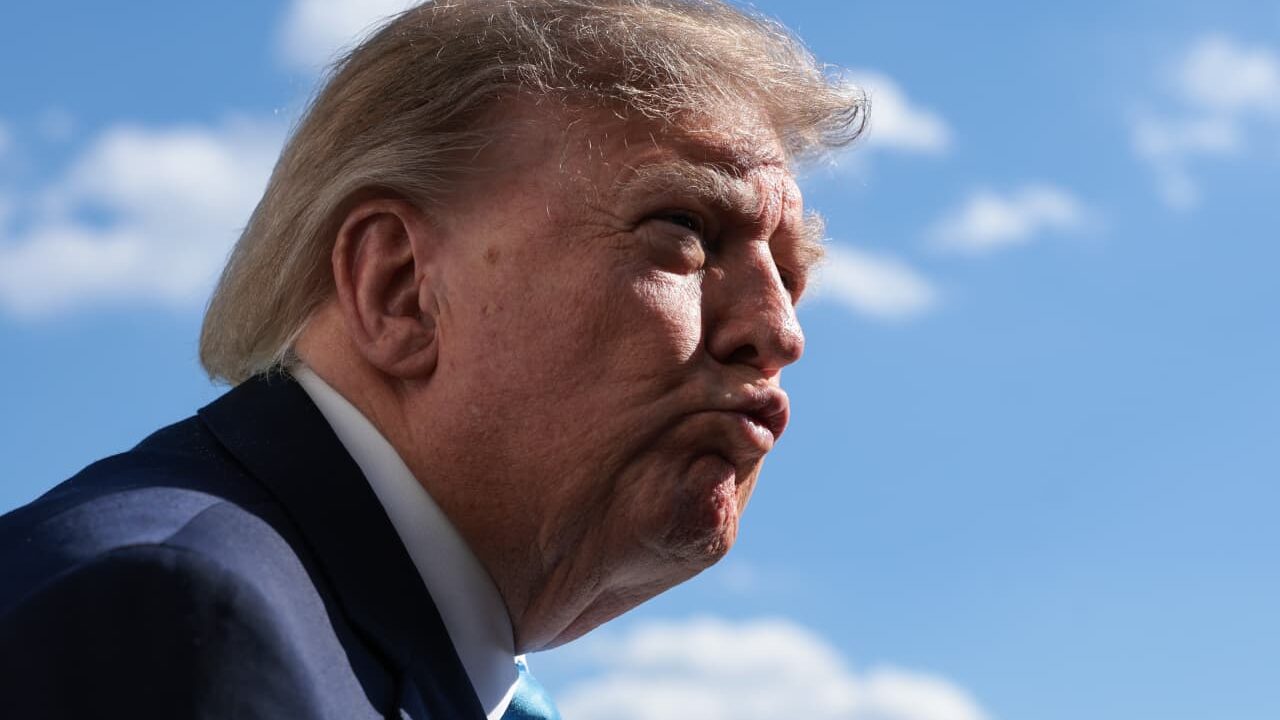
Trump Accounts Proposal Could Force MAGA Families to Own New York Times Stock
TREE NEWS reports: A new proposal tied to so-called “Trump accounts” is drawing scrutiny for an unintended consequence: families who sign up could end up holding shares of companies they ideologically oppose, including The New York Times. The structure of the accounts, which are marketed as a way to build wealth for children aligned with the MAGA movement, appears to route contributions into broad market vehicles that include media and technology firms frequently criticized by the political right.
The core issue is that the accounts do not appear to offer the kind of granular control that supporters might expect. If contributions are invested in index funds or similar diversified products, participants would automatically gain exposure to a wide range of publicly traded companies — regardless of the political leanings of those firms’ management or ownership.
Market Implications
The immediate market impact of a single savings-account program is likely to be modest. However, the story touches on several broader themes that matter for investors.
- Retail flows into index products: If the program scales, it could channel a steady stream of retail money into broad-based equity funds. That reinforces the dominance of passive investing and could further concentrate flows into mega-cap names that already dominate major indices.
- Media and publishing stocks: Companies like The New York Times could see indirect demand from any program that automatically allocates to broad indices. The irony of politically motivated accounts funding ideologically opposed media is a headline risk, but not a fundamental earnings driver.
- Political risk premium: Proposals that blend politics with investing can create reputational and regulatory noise. Firms seen as political targets may face heightened scrutiny, boycotts, or calls for divestment, which can influence sentiment even when fundamentals are unchanged.
- Bonds and rates: The macro backdrop matters more than the program itself. If such accounts are funded through tax-advantaged structures, they could modestly affect long-term savings flows, but they are unlikely to move Treasury yields or the Fed’s policy path.
- Crypto and commodities: There is no direct crypto or commodity angle, though the broader theme of politically branded financial products could accelerate interest in alternative assets among supporters who distrust mainstream institutions.
Why This Matters for Investors
The episode is a reminder that financial products often carry unintended exposures. Investors who choose investments based on political identity may find that diversified vehicles put their money into companies they dislike. For markets, the bigger story is the continued politicization of retail investing and the way policy proposals can shape flows, sentiment, and headline risk.
Investors should focus on the fundamentals: what the program actually invests in, what fees are involved, and whether it offers real diversification benefits. The political branding is noise; the asset allocation is what determines returns.
Key Takeaways
- A “Trump accounts” proposal could push participants into broad index funds, giving them indirect exposure to companies like The New York Times.
- The market impact is likely small in the near term, but the story highlights the growing intersection of politics and retail investing.
- Media, mega-cap tech, and passive fund providers could see modest flow effects if the program scales.
- Investors should separate political messaging from investment fundamentals and understand what their money actually owns.



