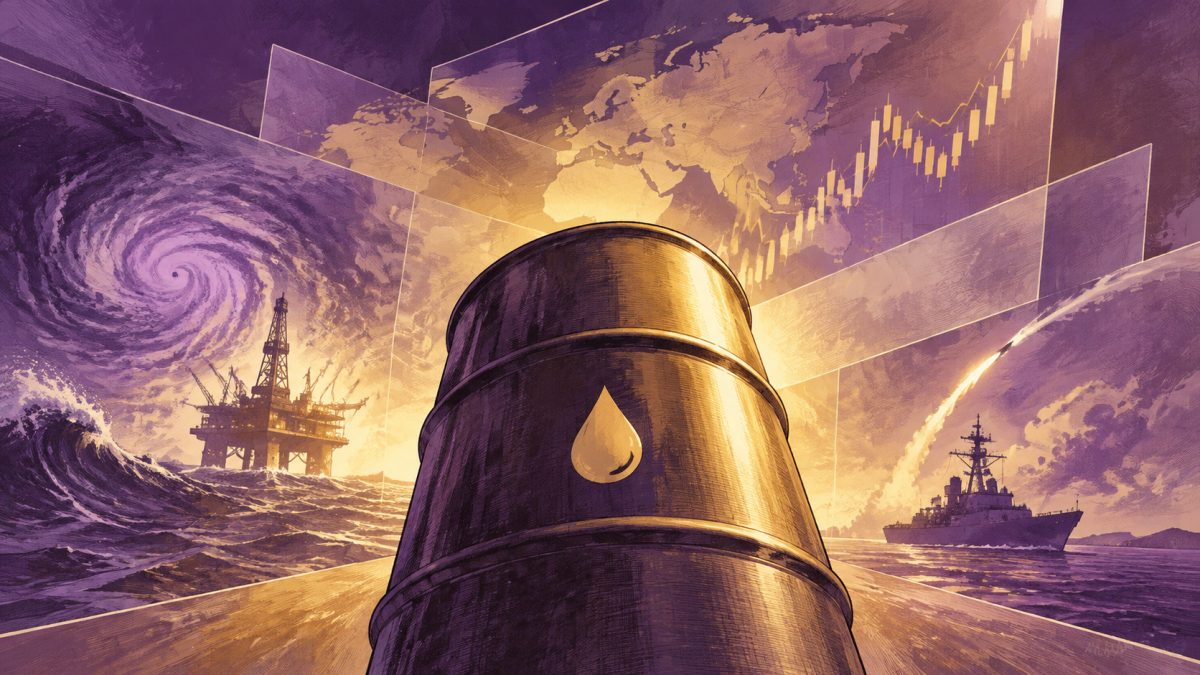
Storm in the Gulf Meets Missiles in the Red Sea
TREE NEWS reports: Crude prices moved sharply higher as two separate supply risks collided: a major storm system bearing down on the U.S. Gulf Coast, home to roughly half of American refining capacity, and renewed attacks by Houthi forces on commercial shipping in the Red Sea. The combination forced traders to reprice the odds of near-term supply disruption on both the production and transportation side of the global oil market.
The Gulf storm threat matters most for refined products. When a hurricane or tropical system tracks toward the Texas and Louisiana coast, operators preemptively shut in offshore platforms and idle refineries, cutting gasoline, diesel and jet fuel output within days. Even a storm that ultimately misses can trigger precautionary shutdowns that drain regional inventories. Meanwhile, Houthi strikes on vessels transiting the Bab el-Mandeb strait push more tankers onto the longer route around the Cape of Good Hope, adding roughly ten days of voyage time and raising freight and insurance costs. Longer voyages effectively tie up more barrels at sea, tightening the physical market even when no crude is lost.
Why the Two Risks Compound
Each factor alone might be absorbed by the market. Together they create a genuine squeeze on the margin of spare capacity. The OPEC+ alliance has been unwinding some voluntary cuts, but the group’s spare capacity is concentrated in a handful of Gulf producers and is not a rapid-response tool. If a storm knocks out U.S. refining while shipping lanes remain unsafe, the world loses flexibility at precisely the moment when inventories in key hubs are already below their five-year averages.
Market Implications Across Asset Classes
Equities
- Energy majors and refiners tend to rally on higher crude and crack spreads, though refiners with Gulf Coast exposure can actually fall if storm damage forces prolonged outages.
- Airlines, trucking and chemical makers face margin pressure as fuel and feedstock costs rise.
- Broad indices may struggle, because energy is a cost input for nearly every sector and higher oil acts as a tax on consumers.
Bonds and Rates
Higher energy prices feed directly into headline inflation. If the spike persists, it complicates the path for central banks considering rate cuts, pushing nominal yields higher and steepening the curve as inflation expectations firm. Shorter-dated yields are most sensitive to the shifting policy outlook.
Crypto
Bitcoin and other digital assets have traded increasingly in step with risk sentiment. An oil-driven inflation scare that lifts real yields is generally a headwind for crypto, though bitcoin can also attract haven demand during geopolitical stress. Expect elevated volatility and a strong correlation to the dollar and equity futures.
Commodities
Brent and WTI lead, but the move ripples outward: diesel and gasoline cracks widen, natural gas can spike if Gulf production is curtailed, and gold tends to catch a safe-haven bid alongside oil when the trigger is geopolitical.
Currencies
Oil-exporting currencies such as the Canadian dollar, Norwegian krone and Mexican peso typically outperform, while the currencies of large importers — the euro, yen and Indian rupee — come under pressure. A firmer dollar, itself a function of higher U.S. yields, adds another layer of strain on emerging-market importers.
Key Takeaways for Investors
- Watch the storm track and refinery shut-ins closely — the refined-product market, not crude, is where the tightest pain will show up first.
- Treat this as a supply-risk premium, not a demand story. Prices can retreat just as fast once weather clears and shipping normalizes.
- Inflation risk is the transmission channel. A sustained oil spike makes central banks more cautious, which matters more for portfolios than the oil move itself.
- Position for volatility, not a trend. Energy equities, tanker operators and gold offer tactical exposure, but chasing the headline risks buying the top of a weather-driven move.
- Diversification still matters. Correlations across stocks, bonds and crypto tend to rise during inflation shocks, so genuine hedges — commodities, energy, short-duration — earn their keep.