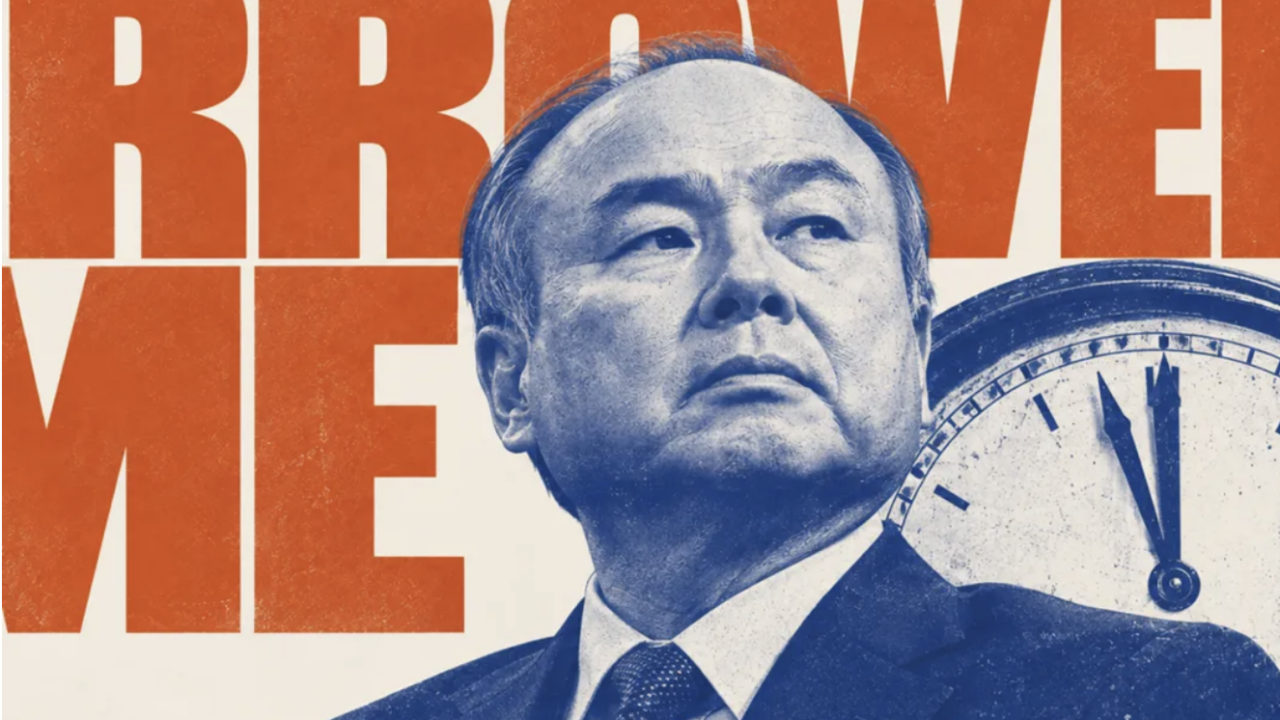
SoftBank’s Masayoshi Son Borrows Another $10B to Double Down on OpenAI
Masayoshi Son is at it again. SoftBank has secured another $10 billion in debt financing to fund its third tranche of investment in OpenAI, bringing its total commitment to the AI giant to roughly $30 billion across three rounds. The move underscores Son’s conviction that artificial intelligence—and OpenAI specifically—represents the defining bet of the decade, even as the Japanese conglomerate’s balance sheet strains under mounting obligations.
The Debt-Fueled AI Gambit
SoftBank’s strategy is nothing if not bold. Rather than funding its OpenAI stake from operating cash flow, the company has increasingly turned to bond markets, syndicated loans, and asset-backed structures. This latest $10 billion raise follows similar moves in prior tranches, effectively leveraging SoftBank’s existing portfolio—including its Arm Holdings stake—to finance future AI exposure.
The logic is straightforward: Son believes OpenAI’s valuation will multiply several times over as artificial general intelligence (AGI) approaches. But the financing structure introduces meaningful risk. If OpenAI’s monetization trajectory slows, or if AI capital expenditure fails to translate into revenue, SoftBank could find itself servicing debt against a depreciating asset.
Why This Matters for Crypto and DeFi
For the crypto and decentralized finance sectors, SoftBank’s OpenAI bet carries indirect but important implications:
- AI token narrative: Massive capital inflows into centralized AI players like OpenAI could accelerate interest in decentralized AI alternatives—compute networks, inference marketplaces, and on-chain agent protocols that promise censorship resistance and permissionless access.
- Capital rotation: If SoftBank’s debt-funded AI bets succeed, expect further institutional appetite for AI-adjacent crypto assets. If they stumble, risk-off sentiment could hit both AI equities and AI-themed tokens.
- Debt market signals: SoftBank’s ability to keep borrowing at scale reflects deep liquidity in credit markets. That same liquidity environment has historically supported crypto risk assets.
The IPO Waiting Game
A critical subplot is SoftBank’s own anticipated IPO or restructuring of its vision fund assets. Son has hinted at strategic moves to unlock value, and a successful OpenAI stake could be the centerpiece. Until then, the company remains in a holding pattern—borrowing against future hopes while managing present-day debt service.
Forward-Looking Perspective
Son’s willingness to lever up for OpenAI is a high-conviction macro bet on AI dominance. For crypto observers, the key question is whether centralized AI consolidation will spur demand for decentralized alternatives—or simply crowd them out. The answer may depend less on ideology and more on whether open, tokenized AI networks can deliver competitive performance at lower cost. Either way, SoftBank’s debt-fueled conviction signals that the AI arms race is far from cooling down.