The Magnificent Seven Are Now Big Enough to Move the Economy
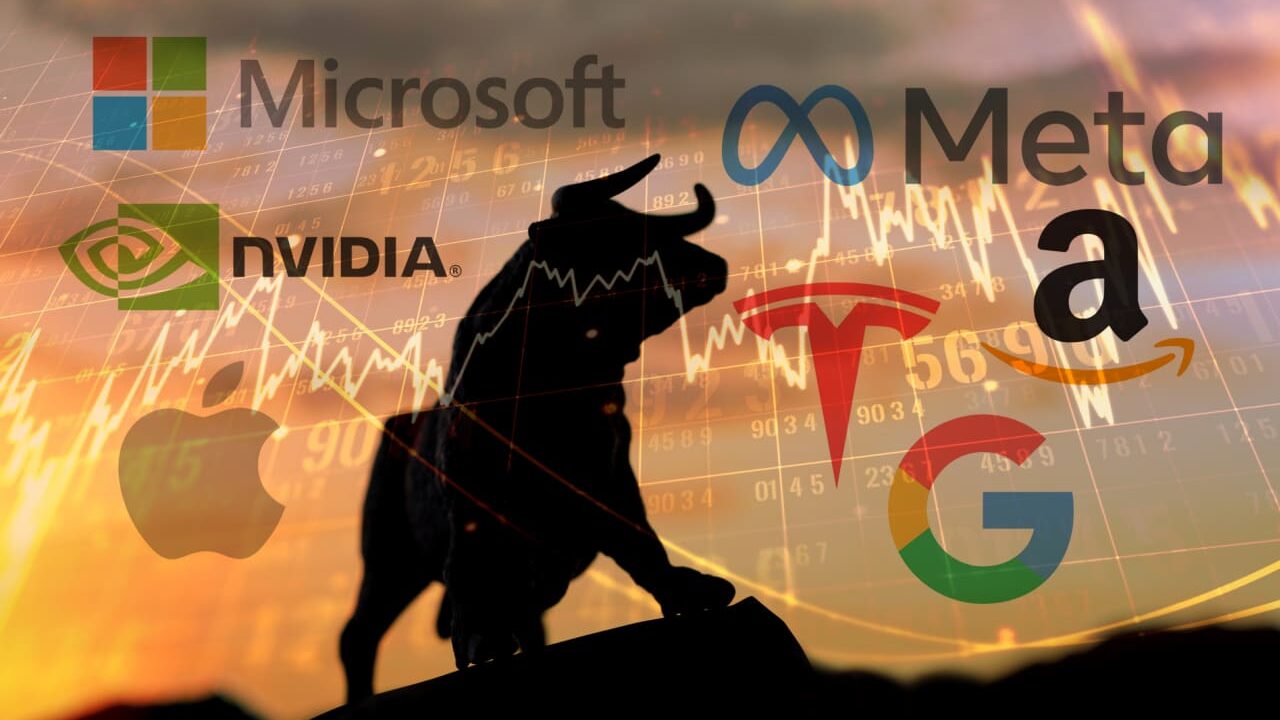
TREE NEWS reports: The combined market value of the so-called “Magnificent Seven” technology companies — Apple, Microsoft, Alphabet, Amazon, Nvidia, Meta Platforms, and Tesla — has swelled to a level that exceeds the gross domestic product of nearly every country on Earth. Only a handful of national economies, including the United States and China, remain larger. The concentration is so extreme that this small cohort of firms now behaves less like a sector of the stock market and more like a macroeconomic force in its own right.
That shift carries profound implications. When a group of companies accounts for a historically large share of total U.S. equity market capitalization, its collective fortunes can influence consumer spending, business investment, tax receipts, and even monetary policy transmission. In other words, the Magnificent Seven are no longer just market darlings — they are systemic.
Why Size Becomes a Problem
The core concern is not that these companies are successful. It is that their scale creates fragility. Because they dominate major market indexes, any sharp drawdown in their shares can drag down broad benchmarks, hurting retirement accounts, index funds, and passive investors who never chose to concentrate risk. A 20% decline in these seven names would erase trillions in household wealth, potentially cooling consumption and rattling credit markets.
Their dominance also distorts capital allocation. When passive flows automatically funnel money into the largest names, smaller and mid-sized companies face higher relative funding costs. That can stifle competition and innovation over time. Meanwhile, the AI-driven capital expenditure boom — led by Nvidia’s chips and the cloud infrastructure of Microsoft, Amazon, and Alphabet — ties a meaningful slice of U.S. business investment to a single technological theme.
Market Implications Across Asset Classes
- Equities: Index concentration means the S&P 500 and Nasdaq are increasingly proxies for seven stocks. Volatility in these names now drives overall market volatility, and any earnings disappointment could trigger outsized index moves.
- Bonds: If a tech-led selloff slows growth, Treasury yields could fall as investors seek safety. Conversely, if concentration fuels a wealth effect that keeps inflation sticky, the Federal Reserve may keep rates higher for longer, pressuring bond prices.
- Crypto: Digital assets have grown increasingly correlated with Nasdaq liquidity cycles. A risk-off shock in mega-cap tech would likely spill into bitcoin and ether, though crypto’s own ETF flows could partially offset the impact.
- Commodities: The AI buildout is energy-intensive. Rising data-center power demand supports natural gas, uranium, and copper, while a broader growth scare would weigh on industrial metals and oil.
- Currencies: Persistent U.S. tech outperformance has underpinned dollar strength via foreign capital inflows. A reversal in that trade could weaken the greenback against the euro and yen.
What Investors Should Watch
Regulatory scrutiny is likely to intensify. Policymakers concerned about market concentration, antitrust, and national economic security may target these firms more aggressively. Any credible breakup threat or restrictive legislation would be a material event.
Investors should also monitor earnings breadth. Healthy markets see gains spread across many sectors. When returns depend on a handful of names, the risk-reward profile deteriorates even as headline indexes hit records.
Key Takeaways
- The Magnificent Seven’s combined value now rivals the GDP of most nations, making them a macroeconomic variable, not just a stock story.
- Extreme index concentration amplifies downside risk for passive investors and broad benchmarks.
- Cross-asset spillovers are real: tech weakness can hit crypto, commodities, and currency markets simultaneously.
- Diversification and awareness of hidden concentration risk are more important than ever.