The AI Arms Race Has a Supply Chain — and It’s Publicly Traded
TREE NEWS reports: As OpenAI and Anthropic race toward potential public listings, the market’s attention is increasingly shifting to the companies that keep their models running: the industrial and infrastructure names supplying power, cooling, and construction capacity for the AI buildout. Vertiv, Quanta Services, and GE Vernova are emerging as early beneficiaries, each reporting surging data center demand tied to the compute boom.
Why These Three Names Matter
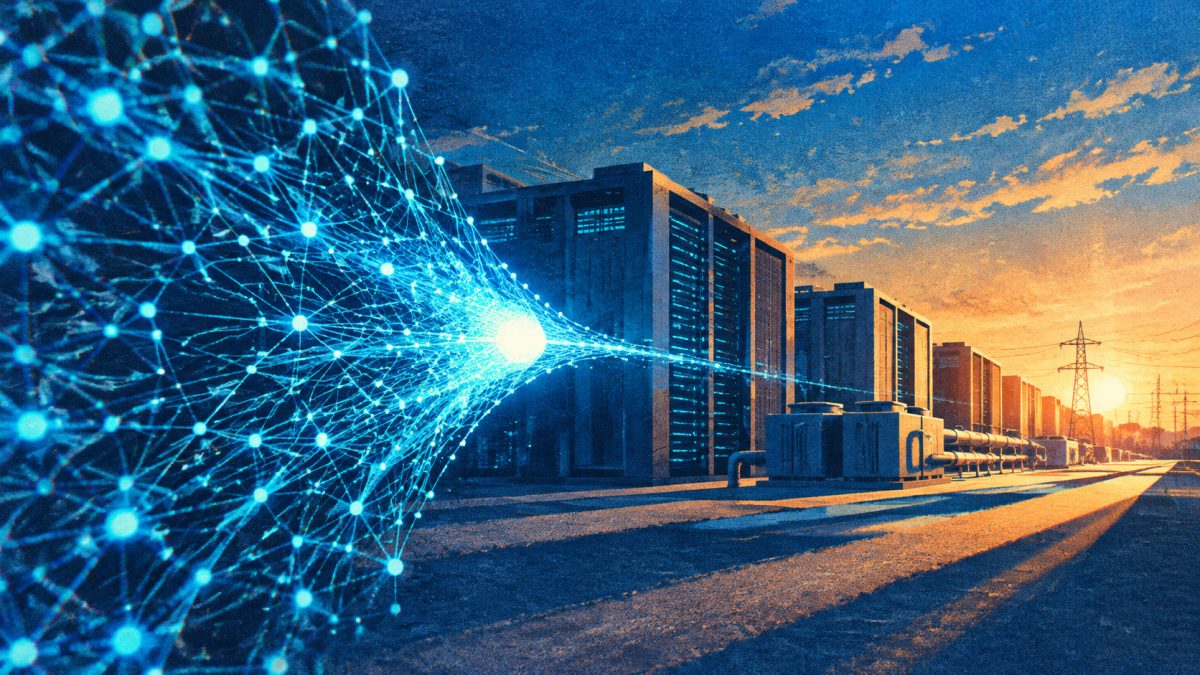
The AI trade has largely been framed around chipmakers and hyperscalers, but the physical layer is where bottlenecks are forming. Vertiv supplies thermal management and power distribution systems — the critical infrastructure that keeps GPU clusters from overheating. Quanta Services handles the electrical transmission and grid work required to connect massive new data centers to power sources. GE Vernova, spun out of General Electric, builds the turbines and grid equipment needed to generate and stabilize that electricity.
- Vertiv: Thermal and power infrastructure for high-density AI racks
- Quanta Services: Grid modernization, transmission lines, and electrical contracting
- GE Vernova: Power generation equipment, turbines, and grid solutions
The IPO Angle
If OpenAI or Anthropic pursue public offerings, the capital raised would likely accelerate compute procurement — intensifying demand for the very infrastructure these three companies provide. That dynamic turns them into a leveraged play on AI model competition, regardless of which lab ultimately wins. Investors are effectively betting on the picks-and-shovels layer rather than picking a single AI winner.
Implications for the Broader Market
The read-through extends beyond industrials. Rising data center capex signals sustained pressure on power grids, which has knock-on effects for utilities, energy markets, and even the crypto mining sector that competes for the same electricity and hardware. It also reinforces the narrative that AI’s economic footprint is broadening from software into hard assets — a theme increasingly relevant to tokenization and real-world asset markets.
Forward-Looking Perspective
The key question is whether infrastructure demand can keep pace with AI model scaling. Grid interconnection queues, turbine lead times, and skilled labor shortages are real constraints. If OpenAI and Anthropic do list, expect their prospectuses to spotlight compute costs — and expect the market to re-rate the suppliers enabling that compute. For now, Vertiv, Quanta, and GE Vernova offer a way to own the AI race without betting on a single model developer.