Ledger Breach Exposes $93M Supply Chain Attack: Spies in the Hardware?
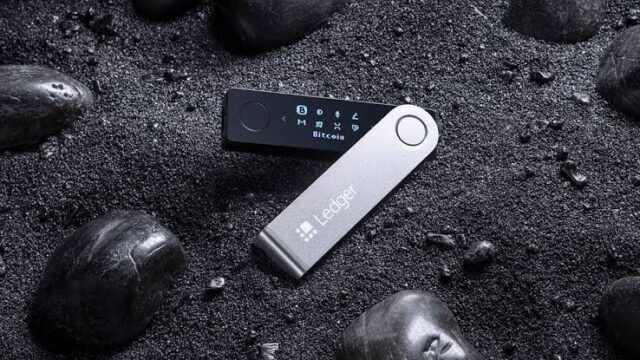
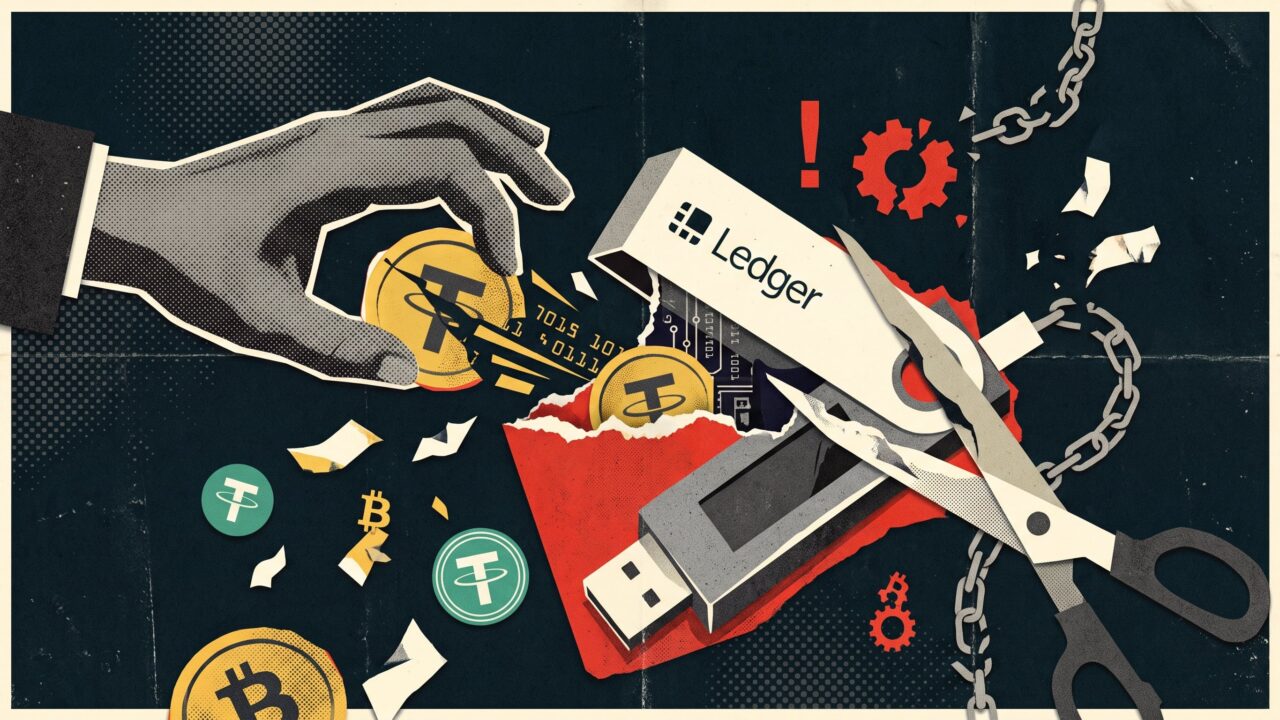
A sophisticated attack targeting users of Ledger hardware wallets has resulted in losses exceeding $93 million, raising alarming questions about the integrity of the hardware supply chain. The attackers spent weeks preparing the operation, compromising a reseller and potentially implanting a spy module within devices before they reached end users. The breach, which drained assets from thousands of wallets in a single night, has sent shockwaves through the crypto community, challenging the long-held assumption that hardware wallets are the gold standard for self-custody.
Anatomy of a Supply Chain Compromise
The attack appears to have exploited a critical vulnerability: the point of sale. Reports indicate that a major Ledger distributor changed ownership shortly before the incident, a detail that investigators are now scrutinizing. Attackers may have gained physical access to devices during the distribution process, installing malicious firmware or hardware modules that could intercept seed phrases or manipulate transaction signing. This ‘spy module’ theory suggests a level of sophistication previously unseen in hardware wallet attacks, which have historically relied on phishing or user error rather than direct hardware tampering.
Once activated, the compromised devices reportedly allowed attackers to drain funds without triggering standard security prompts. The scale—over $93 million across multiple chains—indicates a coordinated effort, likely involving a network of mule accounts and mixers to obfuscate the trail. Blockchain forensics firms are currently tracing the flows, but the decentralized nature of the assets makes recovery unlikely.
Industry Implications: Trust in Hardware Under Siege
This incident strikes at the core of the crypto security narrative. Hardware wallets are marketed as immune to remote hacks, but supply chain attacks bypass that defense entirely. If a device is compromised before it reaches the user, no amount of software security can protect the private keys. The event is likely to accelerate demand for verifiable supply chains, including tamper-evident packaging, attestation chips, and decentralized manufacturing models. It may also boost interest in alternative custody solutions such as multi-signature wallets and MPC (multi-party computation) providers, which do not rely on a single hardware device.
Ledger has yet to issue a detailed statement, but the company faces a reputational crisis. Competitors like Trezor and newer entrants focusing on open-source hardware may benefit, as users reassess their threat models. Regulators, already tightening rules around crypto custody, could use this as a case study to mandate stricter supply chain audits for hardware wallet makers.
Forward-Looking: A Wake-Up Call for Self-Custody
The $93 million Ledger breach is a stark reminder that security is only as strong as its weakest link—and in crypto, that link is often physical. As the industry matures, expect a push toward zero-trust hardware architectures, on-device attestation, and transparent distribution networks. For now, users are advised to verify device integrity, generate seeds offline, and consider splitting holdings across multiple custody solutions. The era of blind faith in hardware is over; the era of verifiable trust has begun.