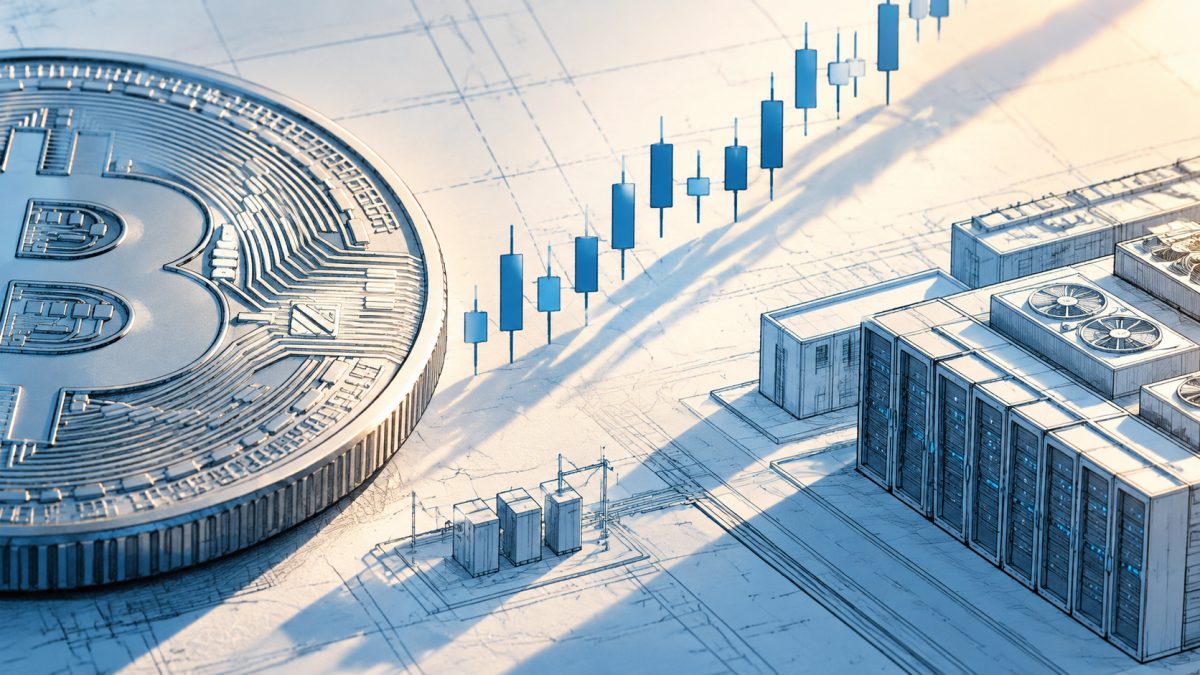
From Bitcoin Mining to AI Infrastructure
TREE NEWS reports: Genesis Digital Assets, the bitcoin mining firm that received over $1 billion in backing from FTX’s Alameda Research, is being converted into an AI data center business by its new controlling shareholder, SWI Group. The pivot marks one of the most dramatic repositionings yet in the crypto mining sector, where operators are increasingly repurposing energy-intensive facilities for artificial intelligence workloads.
Why Mining Infrastructure Fits AI
Bitcoin mining sites were built around three core assets: cheap power contracts, large industrial footprints, and grid interconnection rights. Those same assets are precisely what AI data centers need. As demand for GPU compute explodes — driven by large language models and generative AI — miners with stranded or underutilized capacity have become attractive acquisition targets.
- Power advantage: Mining operators often hold long-term PPAs at below-market rates.
- Speed to market: Existing sites can be retrofitted faster than greenfield data centers can be built.
- Grid access: Interconnection queues in major markets can take years; miners already have it.
The Alameda Shadow
Alameda Research’s investment in Genesis Digital Assets was one of the largest single bets made by the failed hedge fund. Following FTX’s collapse, the position became a focal point in bankruptcy proceedings, with creditors scrutinizing whether the capital was deployed properly. SWI Group’s acquisition and strategic redirection effectively closes that chapter, converting a distressed crypto asset into an AI infrastructure play.
Industry Implications
The move reflects a broader trend: bitcoin miners are no longer purely crypto companies. Firms like Core Scientific, Hut 8, and Iris Energy have all signaled interest in hosting AI or high-performance computing clients. The economics are compelling — AI hosting contracts typically offer more stable, higher-margin revenue than the volatile block rewards of mining.
For the crypto industry, this shift raises questions about whether mining capacity will remain dedicated to securing the Bitcoin network. If enough miners exit for AI, hash rate growth could slow, though network difficulty adjustments would likely offset the impact.
Forward Outlook
Expect more mining-to-AI conversions in 2025 and beyond, particularly among operators with legacy power contracts in North America. The convergence of crypto infrastructure and AI compute may ultimately blur the line between the two sectors, creating a new class of hybrid energy-and-compute companies. For Genesis Digital Assets, the question now is whether SWI Group can execute the transition before AI demand cools — or before competitors lock up the best sites.