A Tragic Accident Shakes the Amusement Park Operator
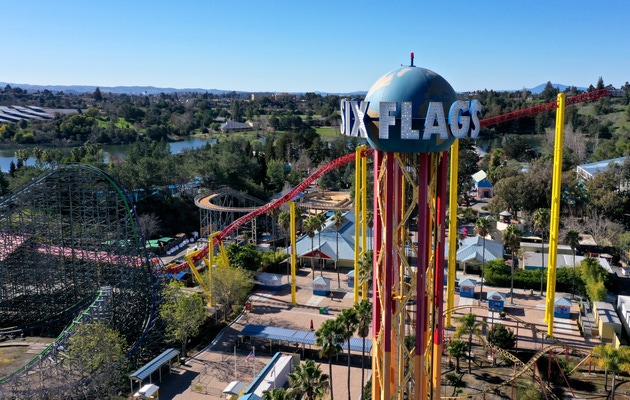
TREE NEWS reports: Six Flags Entertainment Corp. saw its stock price plummet in early trading Monday after a fatal accident at its Georgia park over the weekend. One person died and several others were injured when a roller coaster derailed. The incident occurred at Six Flags Over Georgia, a key property in the company’s portfolio.
The news sent shares down as much as 15% before recovering slightly. Investors are reacting to potential liability costs, regulatory scrutiny, and reputational damage that could weigh on attendance and revenue in the coming quarters.
What Happened
On Saturday afternoon, a roller coaster at Six Flags Over Georgia suffered a mechanical failure, causing one car to leave the track. Emergency responders arrived quickly, but one rider was pronounced dead at the scene. Several others were transported to nearby hospitals with injuries ranging from minor to critical. The park was closed immediately and remains shut pending a full investigation by state and federal safety officials.
Six Flags has not yet issued a detailed statement beyond expressing condolences and pledging full cooperation with authorities. The cause of the derailment is still unknown, but early reports suggest a possible structural failure or maintenance issue.
Market Implications
The immediate market reaction is a sharp sell-off in Six Flags shares, as investors price in multiple risks:
- Liability and Legal Costs: Wrongful death and personal injury lawsuits could result in significant payouts. Insurance may cover some, but reputational damage often leads to higher premiums and uninsured losses.
- Regulatory Scrutiny: The incident will likely trigger a thorough review of ride safety protocols across all Six Flags parks. Fines, mandated upgrades, and temporary closures could disrupt operations.
- Attendance and Revenue: Consumer confidence in park safety is paramount. Following similar incidents at other parks, attendance often drops for several quarters, impacting revenue and cash flow.
- Brand Equity: Six Flags has been rebuilding its brand after past challenges. This tragedy could undo recent progress and deter families from visiting.
Beyond Six Flags, the broader amusement park sector may face increased regulatory pressure. Competitors like SeaWorld and Cedar Fair could see modest sympathy declines, though the impact is likely contained. Bond investors may also reassess credit risk if Six Flags carries substantial debt.
For the broader market, this is a company-specific event with limited systemic impact. However, it serves as a reminder of the operational risks inherent in leisure and hospitality stocks.
Why This Matters for Investors
This tragedy highlights the importance of risk management and due diligence in event-driven situations. Investors holding Six Flags should consider the potential for prolonged negative headlines and financial liabilities. Those looking to buy the dip must weigh the uncertain timeline for reopening and the possibility of further revelations from the investigation.</n
Key takeaways:
- Volatility Ahead: Expect continued volatility as details emerge. The stock may remain under pressure until the investigation concludes and remediation plans are clear.
- Insurance and Liability: Check Six Flags’ insurance coverage and legal reserves. Any shortfall could hit earnings.
- Sector Watch: Monitor regulatory responses that could affect all park operators. Stricter safety rules may raise costs industry-wide.
- Long-Term View: If Six Flags manages the crisis effectively, the stock could recover. But near-term uncertainty is high, and risk-averse investors may prefer to stay on the sidelines.
Ultimately, this is a human tragedy first, and a financial event second. Investors should approach with caution and empathy, recognizing that the market’s reaction is only one part of a much larger story.