Six Flags Shares Tumble After Deadly Coaster Incident
TREE NEWS reports: Six Flags Entertainment saw its stock slump toward a 52-week low following a fatal accident on one of its roller coasters, rattling investor confidence in the amusement-park operator just as the key summer season gets underway. The incident, which claimed a life at one of the company’s parks, immediately raised questions about ride safety protocols, potential regulatory scrutiny, and the near-term impact on attendance and brand reputation.
Shares fell sharply in the session following the news, pushing the stock close to the lowest level it has traded at over the past year. The move extends a difficult stretch for the regional theme-park operator, which has been navigating a post-merger integration, uneven consumer discretionary spending, and weather-related volatility across its portfolio of parks.
What Happened
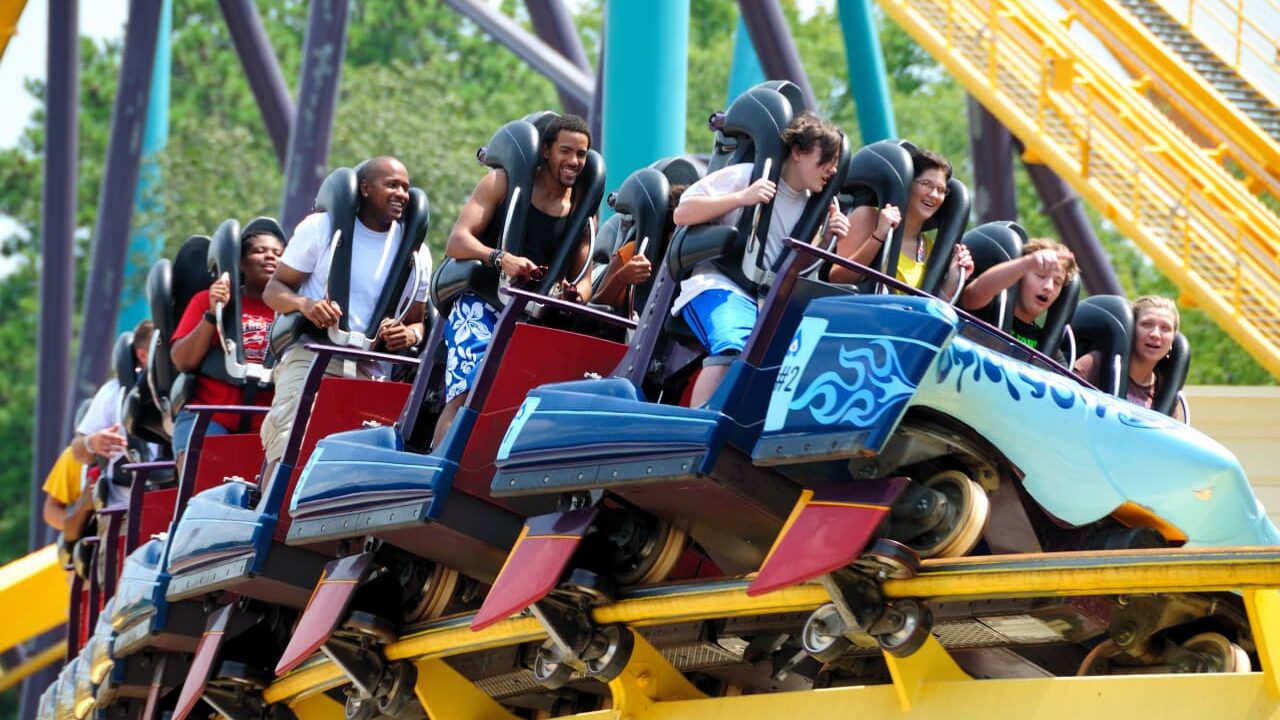
A fatal accident occurred on a Six Flags roller coaster, prompting the company to close or suspend operations on the affected ride while authorities investigate. Fatal incidents at theme parks are rare but carry outsized reputational and financial consequences because they touch the core of the customer value proposition: a safe, family-friendly day out. Even when a single park is affected, the news cycle can depress sentiment across the entire brand, particularly during peak booking windows.
Market Implications
The immediate reaction in Six Flags equity reflects a classic event-driven selloff: investors price in uncertainty around liability, potential litigation, regulatory fines, and softer foot traffic. Key channels to watch include:
- Attendance and per-capita spending: Safety headlines can dent near-term visitation, especially among families who book trips weeks in advance. A drop in attendance hits both ticket revenue and high-margin in-park spending on food, merchandise, and premium experiences.
- Liability and insurance costs: Investigations and potential lawsuits can translate into one-time charges and higher insurance premiums across the fleet of rides, weighing on margins.
- Regulatory and inspection risk: State and local regulators may tighten inspection regimes, raising operating costs and forcing temporary ride closures.
- Sentiment spillover: Peer operators such as regional amusement-park companies could see modest sympathy moves, though the effect is usually contained to the directly affected name.
On the credit side, any escalation in legal costs or a sustained attendance hit could pressure free cash flow, which matters for a company carrying debt from its recent merger. Bond investors will watch for guidance revisions and any commentary on insurance coverage.
Broader Market Context
This is fundamentally a single-name, event-driven story rather than a macro catalyst. Broader equity indices, bond yields, the dollar, commodities, and crypto are unlikely to see a meaningful reaction. That said, the episode is a reminder of how fragile consumer discretionary names can be when operational risk materializes. In a market already sensitive to signs of a slowing consumer, any headline that threatens foot traffic at leisure and entertainment venues can amplify caution toward the sector.
For crypto and commodity markets, the read-through is negligible. There is no direct linkage between a theme-park accident and digital assets, energy, or metals. The only tangential connection is the general risk-sentiment channel: if investors are already jittery about consumer strength, a high-profile safety incident adds a marginal data point to the bear case for discretionary spending.
Key Takeaways for Investors
- Event risk is real: Operational accidents can erase months of gains in a single session for consumer-facing operators.
- Watch the guidance, not just the headline: The durable impact depends on attendance trends, insurance coverage, and legal outcomes, which will unfold over quarters.
- Valuation may reset: If the stock was already near a 52-week low, the market was pricing in existing headwinds; a new safety incident can extend the trough or delay any recovery narrative.
- Stay diversified: Single-name event risk is a reminder of why position sizing and diversification matter, particularly in discretionary sectors.
Investors should monitor official investigation findings, any updated attendance or booking data, and management commentary on insurance and liability exposure before reassessing the risk-reward on the stock.