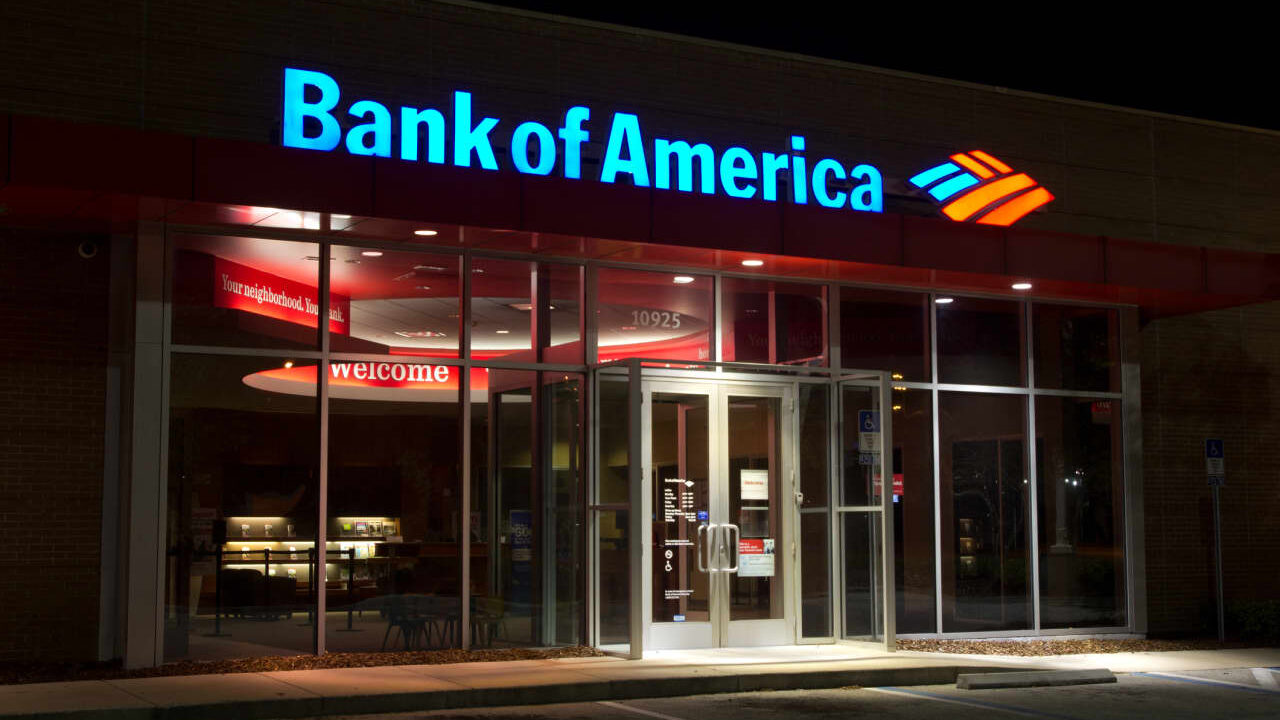
Bank of America Slides as $1.2 Billion Fine Compounds Earnings Miss
TREE NEWS reports: Bank of America shares fell on Wednesday after the lender reported quarterly profit that missed analyst expectations and disclosed a $1.2 billion government penalty, a combination that soured investor sentiment on one of the largest U.S. banks.
The Charlotte-based institution said the charge stemmed from a regulatory settlement tied to legacy matters. Management noted the one-time hit weighed heavily on net income for the period, pushing results below the consensus estimate that Wall Street analysts had modeled going into the print. Revenue across key divisions — including consumer banking, wealth management and global markets — came in mixed, with net interest income remaining under pressure as deposit costs stayed elevated and loan growth moderated.
Why the Combination Is Painful
A fine on its own is often shrugged off if core earnings are strong. A profit miss on its own is manageable if it reflects temporary margin noise. Together, they raise harder questions: Is the bank’s earnings power structurally weaker in a higher-for-longer rate environment, and are legal and compliance costs becoming a recurring drag rather than a one-off?
Investors are also weighing the capital implications. A $1.2 billion penalty reduces retained earnings and can nudge regulatory capital ratios lower, potentially constraining buybacks or dividend increases in coming quarters. For a sector that has spent the past year touting balance-sheet resilience, any erosion of capital return capacity is a sensitive topic.
Market Implications
- Bank stocks broadly: Weakness in Bank of America can spill over to peers such as JPMorgan, Wells Fargo and Citigroup, especially if investors read the miss as a sector-wide signal on net interest margins and credit costs rather than a company-specific issue.
- Regional banks: Mid-sized lenders remain more sensitive to deposit competition and commercial real estate exposure. A large-cap miss can re-introduce risk premium into the group.
- Bonds and rates: If the earnings season confirms margin compression across banks, it reinforces the case for a more accommodative rate path — supportive for Treasuries, but a headwind for bank profitability if cuts arrive because the economy is slowing rather than because inflation is cooling.
- Equities broadly: Financials are a meaningful weight in the S&P 500. Persistent weakness here can cap index upside even if technology and AI-linked names continue to lead.
- Crypto: Digital assets trade as a high-beta risk proxy. A bank earnings miss alone is unlikely to move Bitcoin or Ether materially, but it feeds the broader “is the consumer and credit engine slowing?” narrative that crypto markets track alongside macro data.
- Commodities and the dollar: Softer bank results can nudge expectations toward easier policy, which typically weakens the dollar at the margin and provides modest support to gold. Industrial metals remain more tethered to global growth signals than to a single U.S. bank’s quarter.
What to Watch Next
The critical question is whether other large banks report similar margin pressure and elevated legal costs. If they do, the market will reprice the entire sector and treat this quarter as a turning point rather than a blip. If peers deliver cleaner numbers, Bank of America’s miss may be viewed as idiosyncratic — and the stock could stabilize once the penalty is fully digested.
Also watch management commentary on capital return plans, credit-loss provisions, and any guidance on net interest income for the coming quarters. Those three items will determine whether the selloff deepens or reverses.
Key Takeaways for Investors
- A profit miss plus a $1.2 billion fine is a double negative that tests the market’s patience with bank valuations.
- Capital return capacity — buybacks and dividends — is now the focal point, not just headline earnings.
- Sector contagion risk is real: watch peer results for confirmation or contradiction.
- Rate expectations remain the dominant macro driver; bank earnings are a window into the underlying economy.
- For diversified portfolios, financials exposure may warrant a closer look at credit quality and deposit trends rather than top-line revenue alone.